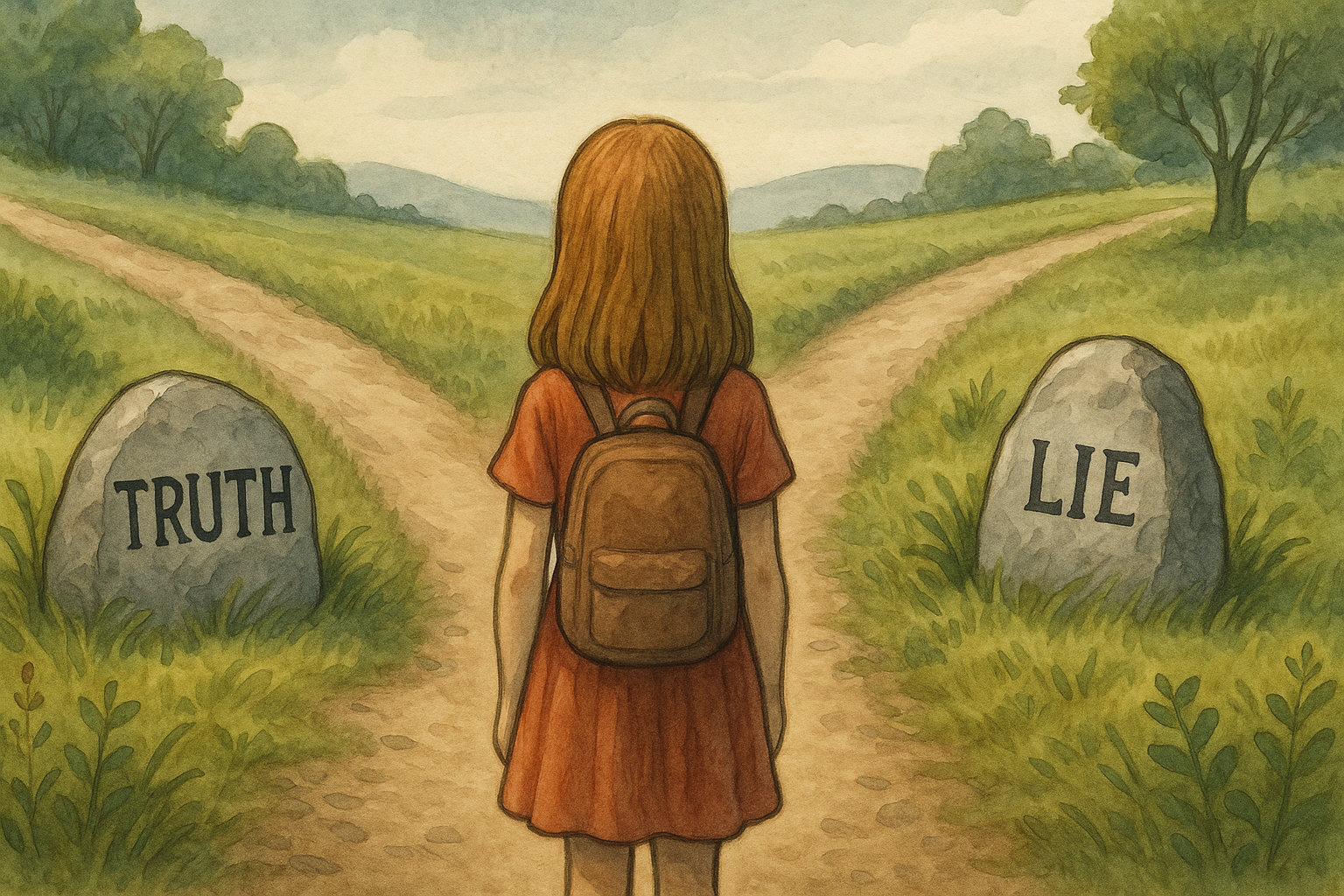
A girl comes to a fork in the road. One path leads to safety, the other to danger. A stone lies at each path: one is inscribed with ‘Truth’, the other with ‘Lie’. She knows that only one of the stones tells the truth, but which one is unknown. She cannot ask questions, and once she has chosen a path, there is no going back. This riddle creates a logical paradox. If the stone marked ‘Lie’ is telling the truth, then it is lying. If, on the other hand, the ‘Truth’ stone is lying, then its inscription cannot be true either. Realising this, the girl stops paying attention to the stones altogether. Instead, she looks at the footprints and chooses the more well-trodden path. Sometimes logic has to give way to simple observation.
The Case of the Missing Umbrella
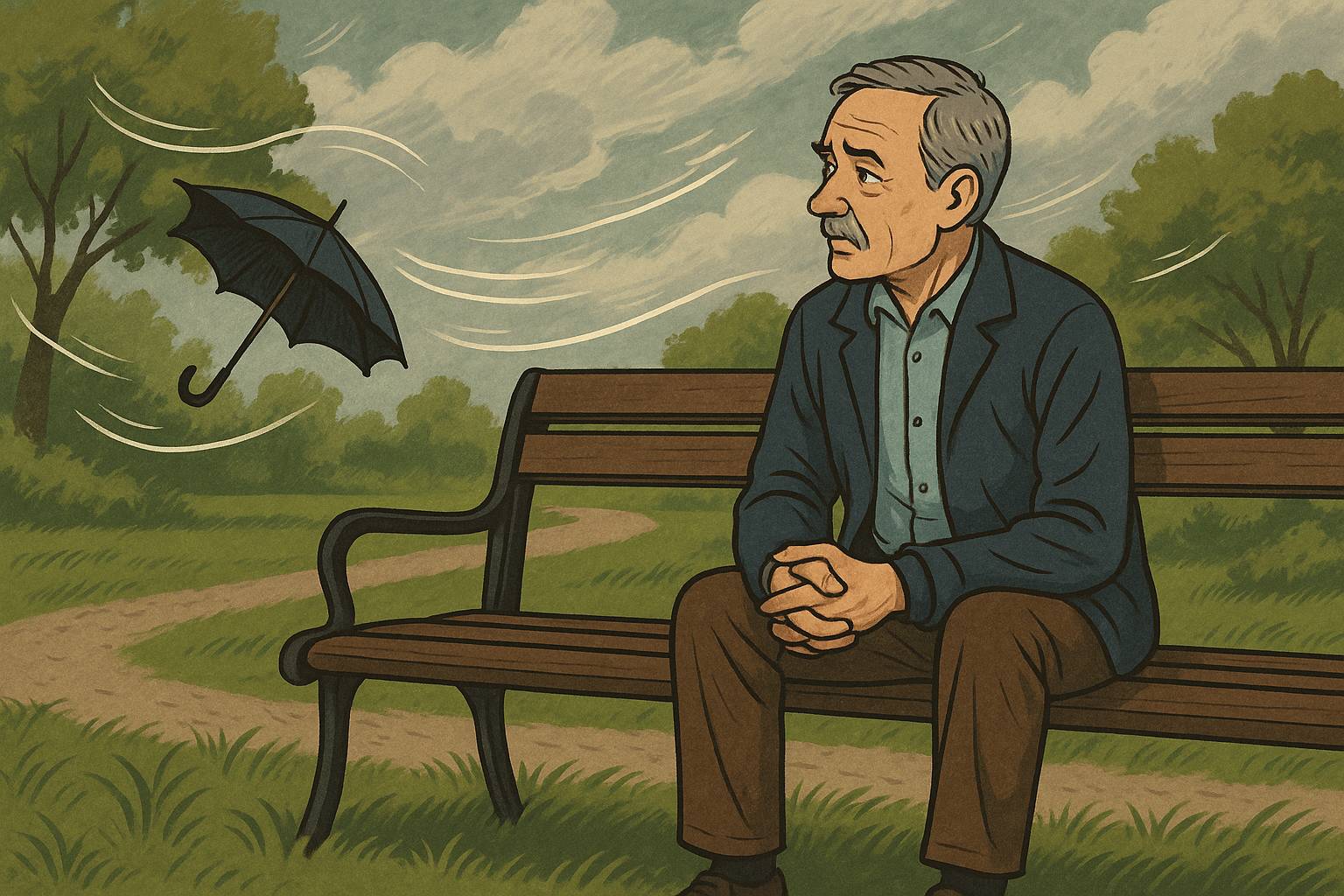
A man leaves his umbrella next to a bench in the park. He keeps glancing towards the bench, and no one approaches it, yet the umbrella disappears all the same. At first glance, the mystery seems inexplicable—until nature comes into play. The answer is simple: a strong gust of wind could have blown the umbrella away whilst the man was distracted. This simple solution reminds us that not all mysteries are linked to human cunning. Sometimes the clearest explanations are provided by the environment and ordinary natural circumstances, which we simply fail to take into account in the moment.
A locked room without a lock
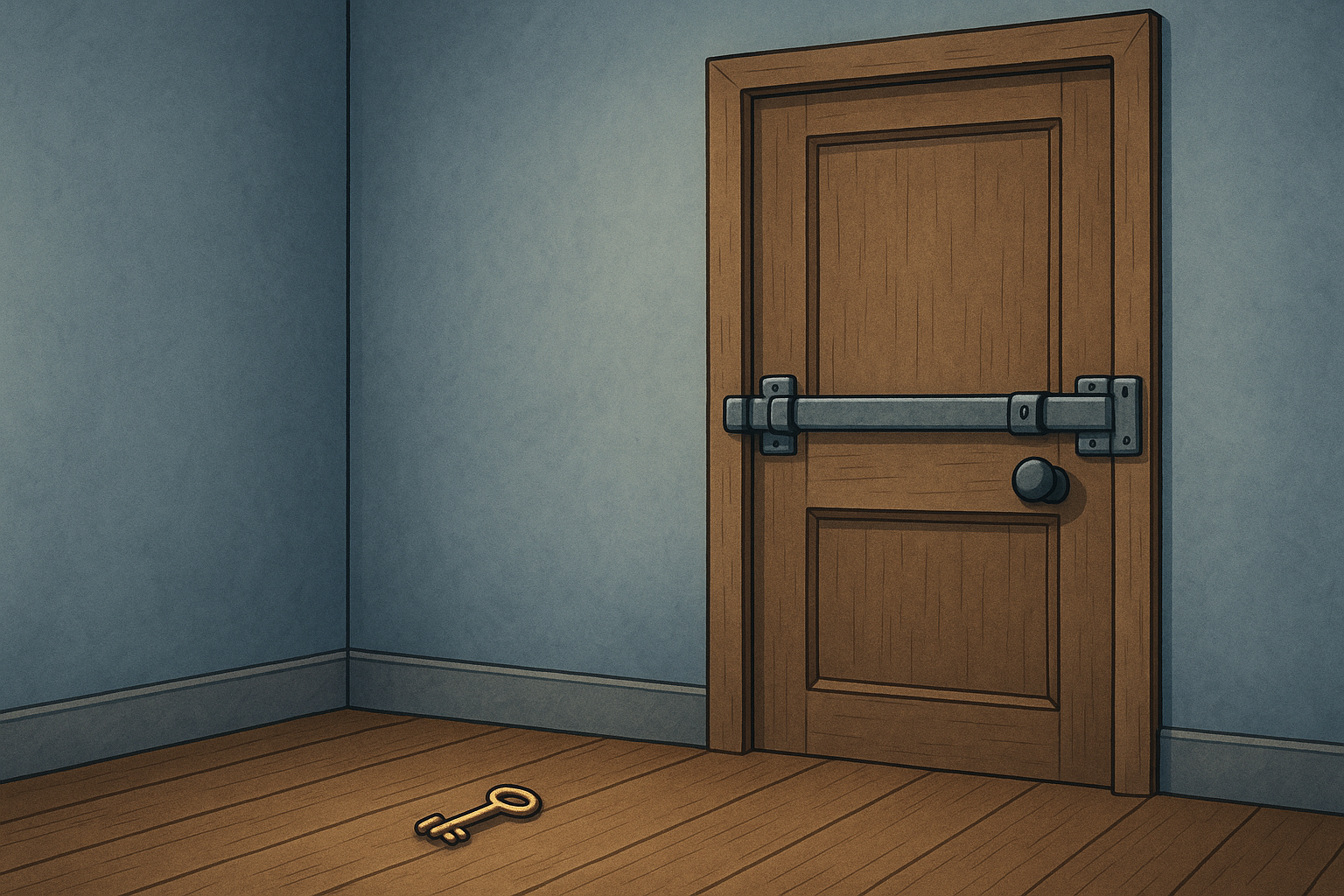
This puzzle describes a windowless room with a bolted door and a key on the floor. It seems there is no way out, and you feel as though you are trapped. But if you look more closely at the details, the way out becomes obvious. The solution is almost disappointingly simple. The bolt is merely a decorative detail. The key is irrelevant. In fact, the door isn’t locked at all — you simply need to push it open and walk out. This puzzle perfectly illustrates how overthinking can hold us back more effectively than a real physical barrier.
Deceptive labels and cognitive traps
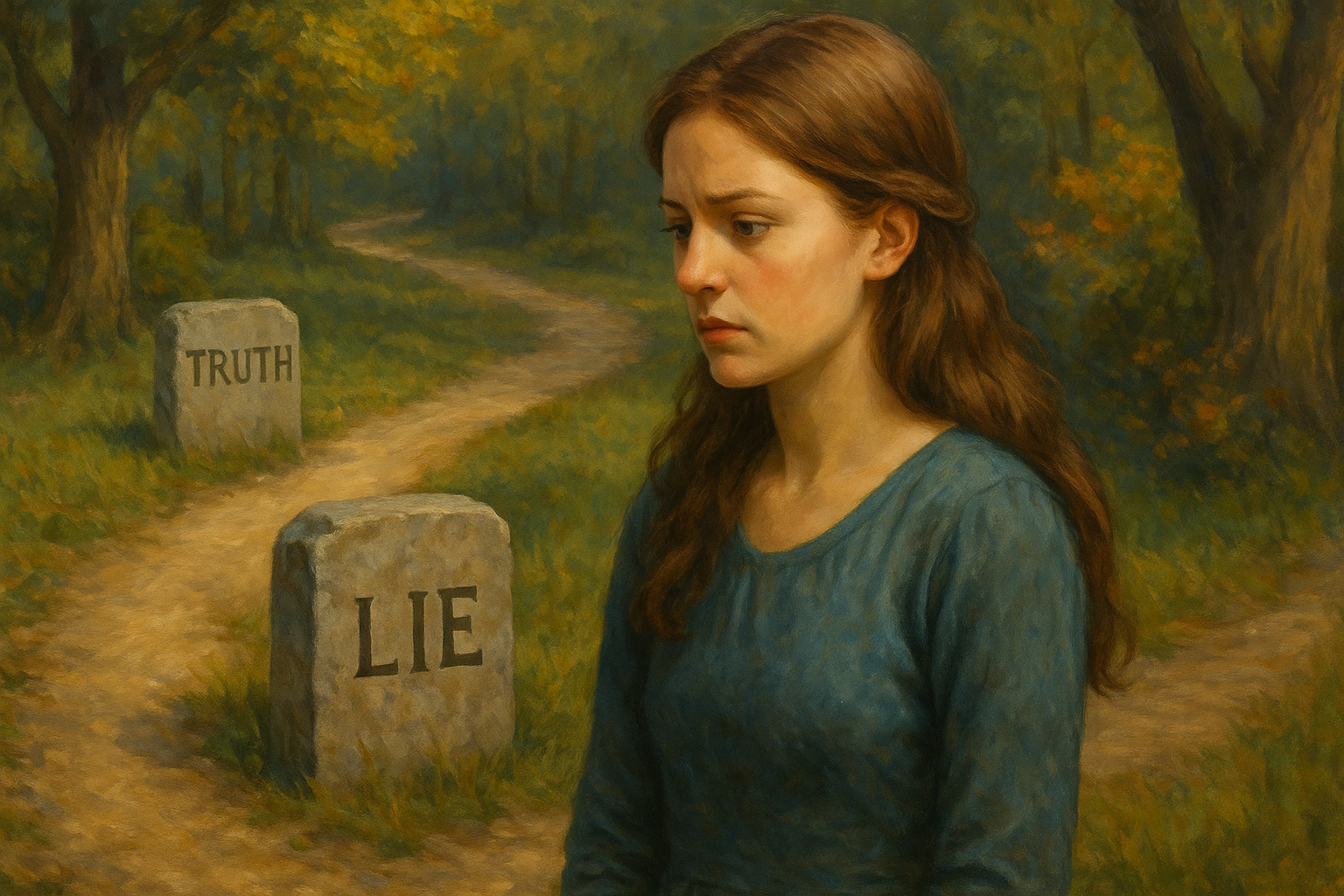
Riddles such as the fork-in-the-road story are particularly interesting because they show how our brains process labels and rules. When information contradicts itself, the mind begins to doubt even the simplest facts. But sometimes the only way out is to step outside this mental loop. In this case, the girl ignores the misleading words and relies on physical clues. The message is clear: when logic starts to undermine itself, trust your senses and observations. A well-trodden path can tell you more than an inscription on a stone.
When nature provides the answer

The riddle of the missing umbrella highlights an important point: not all problems are man-made. In a world full of distracting details, it is easy to immediately suspect someone of deception. But this puzzle forces us to look at external factors, which often turn out to be just as significant. It teaches us to pay closer attention to our surroundings. A gentle breeze can play just as important a role in solving the puzzle as a clever idea. The main lesson here is simple: never underestimate forces beyond your control.
Escape from an obvious trap
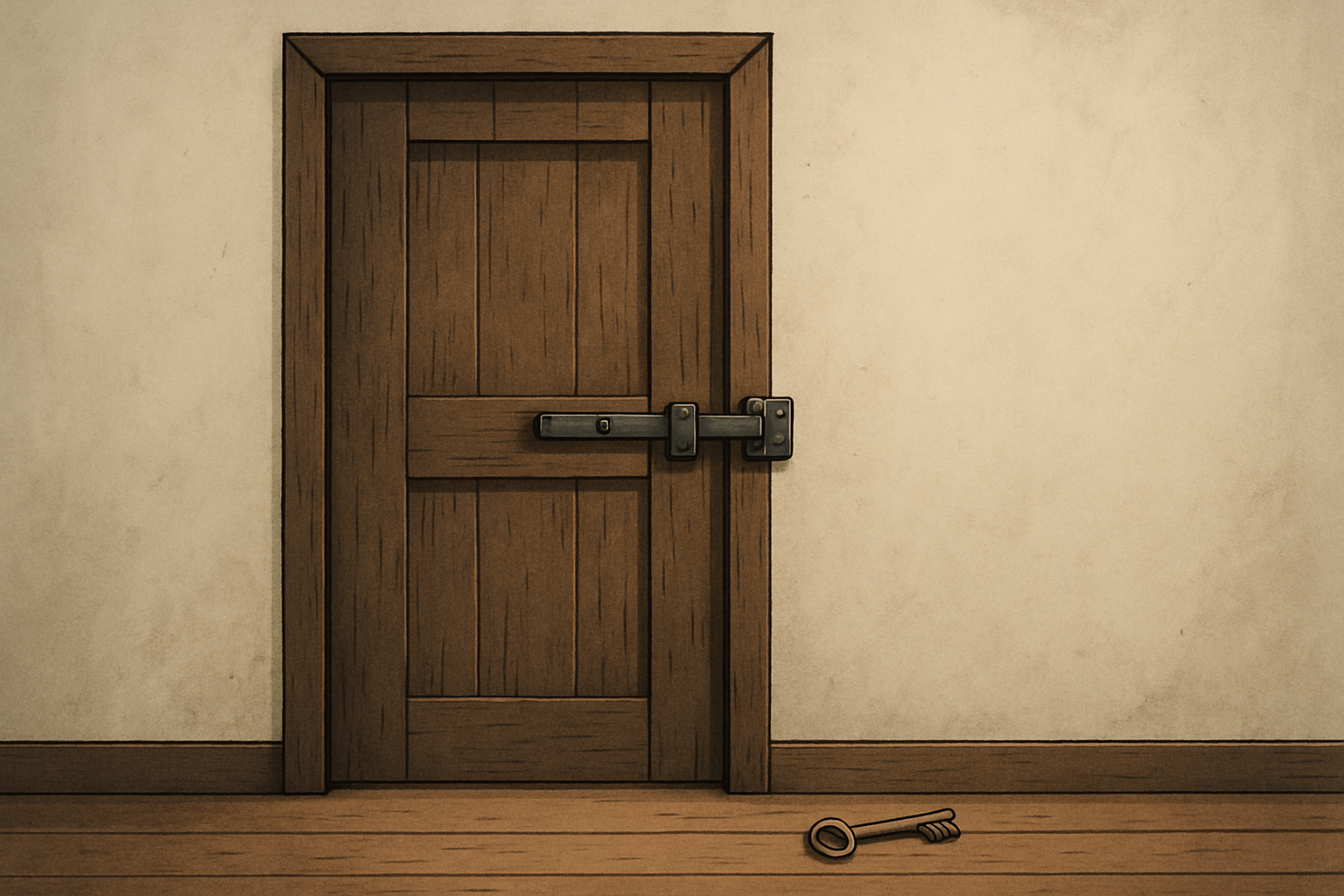
The locked-room puzzle is based on false assumptions. At first, it seems like a classic scenario: you need to find a way to use the key, unlock the bolt and get out. But the real trick is to realise that everything in the room merely creates the illusion of difficulty. You simply need to push the door – and the illusion of an obstacle vanishes. This is a good metaphor for many of life’s difficulties. What we perceive as a barrier sometimes turns out to be nothing more than a prop. All you need is enough confidence to try the most obvious solution.
Lessons hidden in every puzzle

Each of these puzzles teaches something unique
Each of these puzzles carries a distinct lesson — be it patience, logic, awareness of one’s surroundings, or the ability to trust one’s intuition. They show how easily we can overlook simple answers when a situation seems too complicated. And, perhaps even more importantly, they remind us that creativity, calm thinking and a willingness to question the obvious often lead to the best results.Move upMove downToggle panel: Yoast SEO
Focus keyphraseHelp on choosing the perfect focus keyphrase(Opens in a new browser tab)
Get related keyphrases(Opens in a new browser window)
Google preview
Preview as:Mobile resultDesktop result
Url preview:

rasplove.comrasplove.com›
SEO title preview:
This image has stumped people. Can you solve the riddle? – rasplove.com
Meta description preview:

Jun 10, 2026 - Please provide a meta description by editing the snippet below. If you don’t, Google will try to find a relevant part of your post to show in the search results.
SEO titleInsert variable
Title Page Separator Site title
Slug
Meta descriptionInsert variable
SEO analysisEnter a focus keyphrase to calculate the SEO score
Premium SEO analysis
Add related keyphrase
Track SEO performance
Cornerstone content
Advanced
Insights
Move upMove downToggle panel: Facebook Instant Articles
This post will be available as Instant Article once it is published and shared on Facebook.
This post was transformed into an Instant Article with no warnings [Toggle debug information]PostBlock
This image has stumped people. Can you solve the riddle?
Set featured imageAdd an excerpt…
1 059 words, 6 minutes read time.
Last edited 31 minutes ago.
StatusDraft
PublishImmediately
Slugthis-image-has-stumped-people-can-you-solve-the-riddle
AuthorAvtor
DiscussionClosed
FormatStandardMove to trash
Yoast SEO
Readability analysis: Good
SEO analysis: Needs improvementImprove your post with Yoast SEO
Categories
AnimalsUncategorizedVarious interesting thingsWorldAdd Category
Tags
Add Tag
Separate with commas or the Enter key.Move upMove downToggle panel: UTM tag
Link with UTM tag appears after postingMove upMove downToggle panel: Hide elements
| Header Header menu Thumbnail Breadcrumbs Title Top social buttons Meta-information (date, category, author) Contents Rating Bottom social buttons Author block Related posts Comments Sidebar Footer menu Footer |
Move upMove downToggle panel: Post settings
| Comment titleIf you need to set the title of the block of comments for this page, fill in this field |
| SourceIf you need to provide a link to an external site as a source, fill in this field |
| Hide link to source using JS |
| ID related postsEnter the ID of the posts separated by commas to display certain posts in related posts |
Move upMove downToggle panel: Thumbnail settings
Recommended sizes
Standard: 775×500
Wide: 1190×400
Full width: 1920×400
Fullscreen: 1920×400
| Thumbnail type | Standard Wide Full Fullscreen |
|---|
Open publish panel
- Post
Riddles and logic puzzles continue to captivate people all over the world. They not only entertain, but also make the brain work in unusual ways — through reasoning, observation and even intuition. The five puzzles below perfectly illustrate how the strangest situations often have the simplest explanations. Are you ready to look at things from a different angle?
A man surrounded by danger

In this situation, the man finds himself surrounded on all sides by deadly threats
In this situation, the man is standing in the middle of a dangerous place, where danger lurks on every side. To his right is a snake, ready to strike. To his left is a tree that could fall into a lake teeming with crocodiles. A lion is prowling nearby. At first glance, there is no way to safety, and escape seems impossible. But the solution lies in the ability to wait. If the man remains patient, sooner or later the lion will head to the lake to drink, distracting the crocodiles. In the confusion that ensues, the man will be able to slip away quietly, unnoticed. This riddle shows that sometimes survival depends not on strength or speed, but on calmness and seizing the right moment.
The clock that cannot be touched

A man is standing beneath a tall clock that has stopped at 12:30. It is too high up; he has no tools and no way of calling anyone for help. The only thing he has with him is a small mirror in his pocket. Nevertheless, he solves the problem without climbing up or touching the clock, and within a few minutes it is showing the correct time again. The secret lies in the reflection. The man uses the mirror to see the dial from below, but in reverse. By mentally flipping the numbers, he realises how much the reading differs from the actual time. Then he simply waits until the current time matches what the stopped watch shows, and declares that everything is fixed. A great example of how to act smarter, not harder
Truth or Lie at the Crossroads

A girl comes to a fork in the road. One path leads to safety, the other to danger. A stone lies at each path: one is inscribed with ‘Truth’, the other with ‘Lie’. She knows that only one of the stones tells the truth, but which one is unknown. She cannot ask questions, and once she has chosen a path, there is no going back. This riddle creates a logical paradox. If the stone marked ‘Lie’ is telling the truth, then it is lying. If, on the other hand, the ‘Truth’ stone is lying, then its inscription cannot be true either. Realising this, the girl stops paying attention to the stones altogether. Instead, she looks at the footprints and chooses the more well-trodden path. Sometimes logic has to give way to simple observation.
The Case of the Missing Umbrella

A man leaves his umbrella next to a bench in the park. He keeps glancing towards the bench, and no one approaches it, yet the umbrella disappears all the same. At first glance, the mystery seems inexplicable—until nature comes into play. The answer is simple: a strong gust of wind could have blown the umbrella away whilst the man was distracted. This simple solution reminds us that not all mysteries are linked to human cunning. Sometimes the clearest explanations are provided by the environment and ordinary natural circumstances, which we simply fail to take into account in the moment.
A locked room without a lock

This puzzle describes a windowless room with a bolted door and a key on the floor. It seems there is no way out, and you feel as though you are trapped. But if you look more closely at the details, the way out becomes obvious. The solution is almost disappointingly simple. The bolt is merely a decorative detail. The key is irrelevant. In fact, the door isn’t locked at all — you simply need to push it open and walk out. This puzzle perfectly illustrates how overthinking can hold us back more effectively than a real physical barrier.
Deceptive labels and cognitive traps

Riddles such as the fork-in-the-road story are particularly interesting because they show how our brains process labels and rules. When information contradicts itself, the mind begins to doubt even the simplest facts. But sometimes the only way out is to step outside this mental loop. In this case, the girl ignores the misleading words and relies on physical clues. The message is clear: when logic starts to undermine itself, trust your senses and observations. A well-trodden path can tell you more than an inscription on a stone.
When nature provides the answer

The riddle of the missing umbrella highlights an important point: not all problems are man-made. In a world full of distracting details, it is easy to immediately suspect someone of deception. But this puzzle forces us to look at external factors, which often turn out to be just as significant. It teaches us to pay closer attention to our surroundings. A gentle breeze can play just as important a role in solving the puzzle as a clever idea. The main lesson here is simple: never underestimate forces beyond your control.
Escape from an obvious trap

The locked-room puzzle is based on false assumptions. At first, it seems like a classic scenario: you need to find a way to use the key, unlock the bolt and get out. But the real trick is to realise that everything in the room merely creates the illusion of difficulty. You simply need to push the door – and the illusion of an obstacle vanishes. This is a good metaphor for many of life’s difficulties. What we perceive as a barrier sometimes turns out to be nothing more than a prop. All you need is enough confidence to try the most obvious solution.
Lessons hidden in every puzzle

Each of these puzzles teaches something unique
Each of these puzzles carries a distinct lesson — be it patience, logic, awareness of one’s surroundings, or the ability to trust one’s intuition. They show how easily we can overlook simple answers when a situation seems too complicated. And, perhaps even more importantly, they remind us that creativity, calm thinking and a willingness to question the obvious often lead to the best results.
