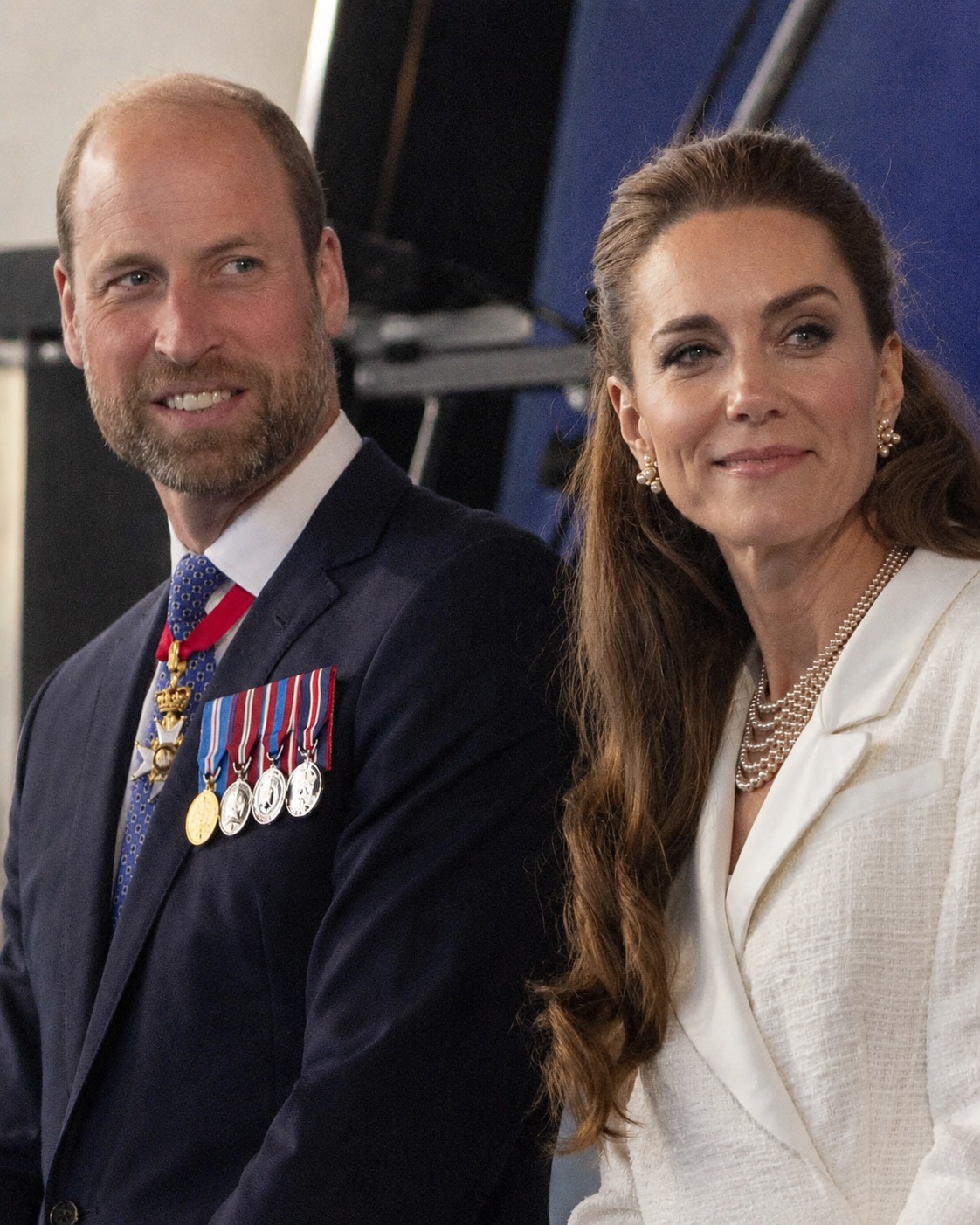
‘She’ll need a bit of a rest.’
This simple phrase of support has become one of the most touching lines in Russell Myers’ new book, William & Catherine: A New Era of Monarchy: A Behind-the-Scenes Story. In it, the author offers a fresh perspective on one of the most difficult periods the Prince and Princess of Wales have had to endure.
According to the author, 2024 dealt Catherine, Princess of Wales, and William, Prince of Wales, a blow for which they could never have been prepared: Kate was diagnosed with cancer. Although the couple had long been accustomed to living under the public eye, this struggle proved to be deeply personal and completely unexpected. Sources cited in the book describe this moment as extremely difficult — not only because of the medical aspect of the diagnosis, but also because of the emotional strain it placed on their young family.
William and Kate’s main concern, writes Myers, was how to tell their three children — Prince George of Wales, Princess Charlotte of Wales and Prince Louis of Wales — in a way that would reassure them rather than frighten them.
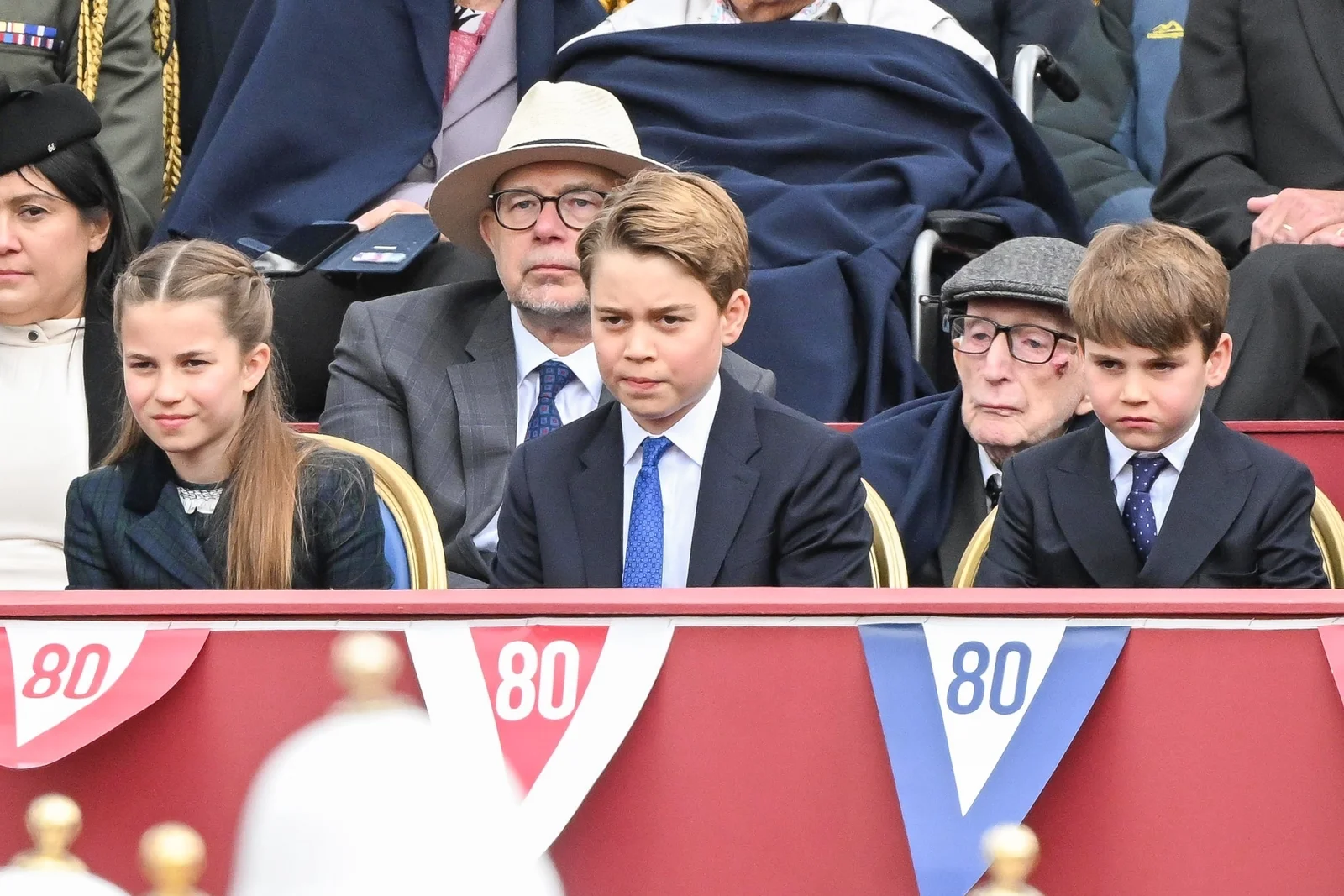
A source close to the family said that William and Kate approached the conversation calmly and honestly. They explained what was happening in simple, age-appropriate terms, reassuring them that Mum was being helped by doctors and that she was receiving the very best possible care. The couple tried to emphasise the main point: life as usual would continue; school, the daily routine and household chores would remain as normal as possible.
When the conversation turned to the hospital and her treatment, the explanation was gentle but clear: ‘When Mummy comes home, she’ll need a bit of rest.’ Their aim was to present the situation not as something frightening, but as a period of recovery that the family would get through together.
During her stay in hospital, Kate reportedly kept in constant contact with the children via video calls, trying to remain part of their daily lives despite the physical distance. Meanwhile, William quietly took on far more household responsibilities.
The Prince of Wales, who had previously been described as a caring father, threw himself fully into family life: taking the children to school, handling the evening bedtime rituals and keeping an eye on the house. Insiders say he sought to shield the children from unnecessary anxiety, whilst remaining emotionally present. Behind the palace’s closed doors, the future king was not thinking about royal duties, but about how to remain a reliable father and a supportive husband.
In Myers’ account, this period appears as a significant chapter in the life of the Wales family — a moment that demonstrated their unity and resilience. Rather than hiding behind formalities, William and Kate chose openness, calmness and a practical approach, prioritising their children’s sense of security.
As the book suggests, this experience marked a quiet but significant shift in the way the new generation of the monarchy navigates crises: with honesty within the family, composure in public, and a deep commitment to protecting their loved ones above all else.