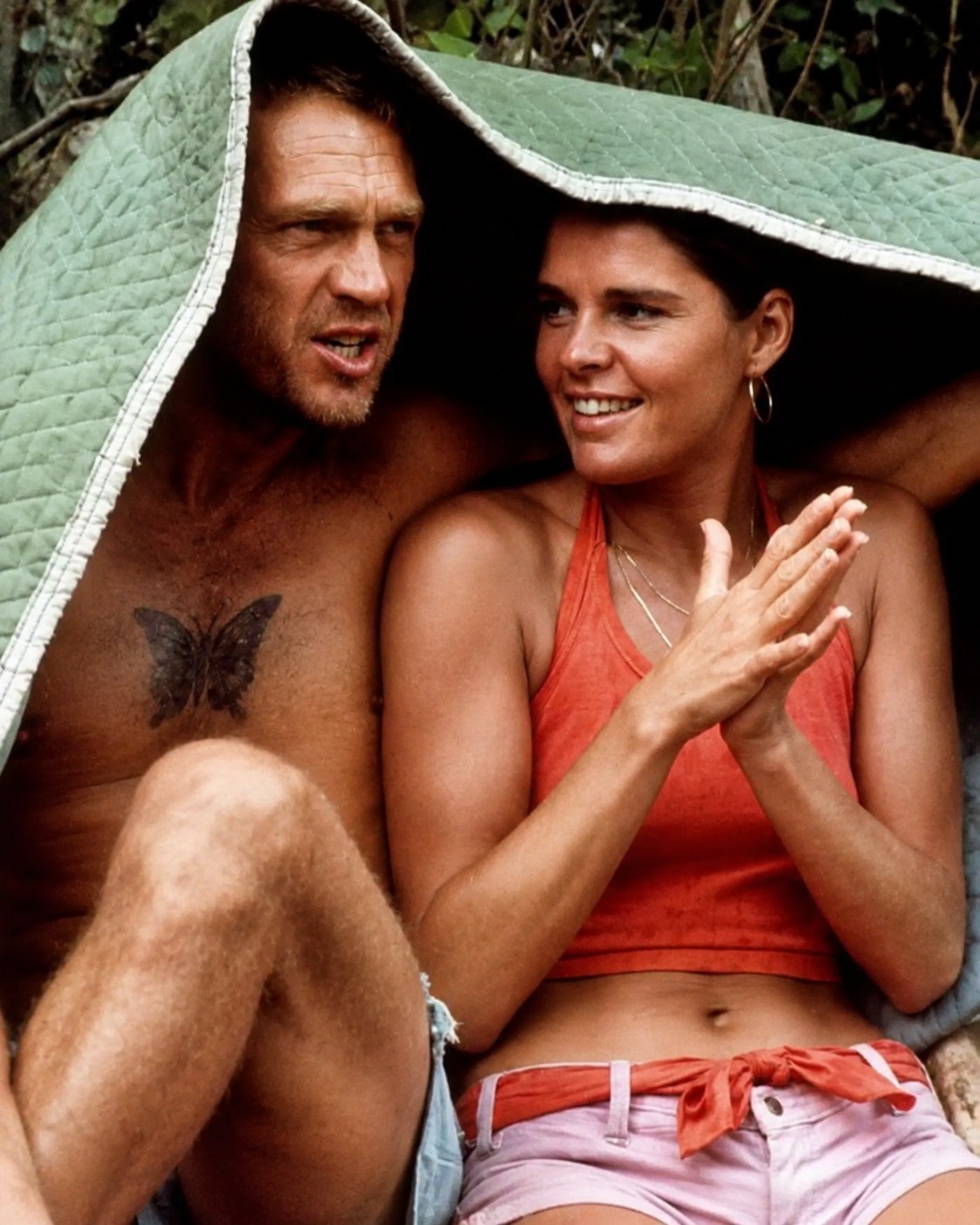
In 1972, Ali MacGraw and Steve McQueen were the couple that had Hollywood holding its breath. One photograph in particular made a lasting impression: the two of them on the Jamaican set of the film Butterfly. It seemed to capture the true magic of movie stars: the sun, the chemistry, effortless charisma and sheer coolness.
But there was one unexpected detail: McGrow didn’t actually appear in the film at all.
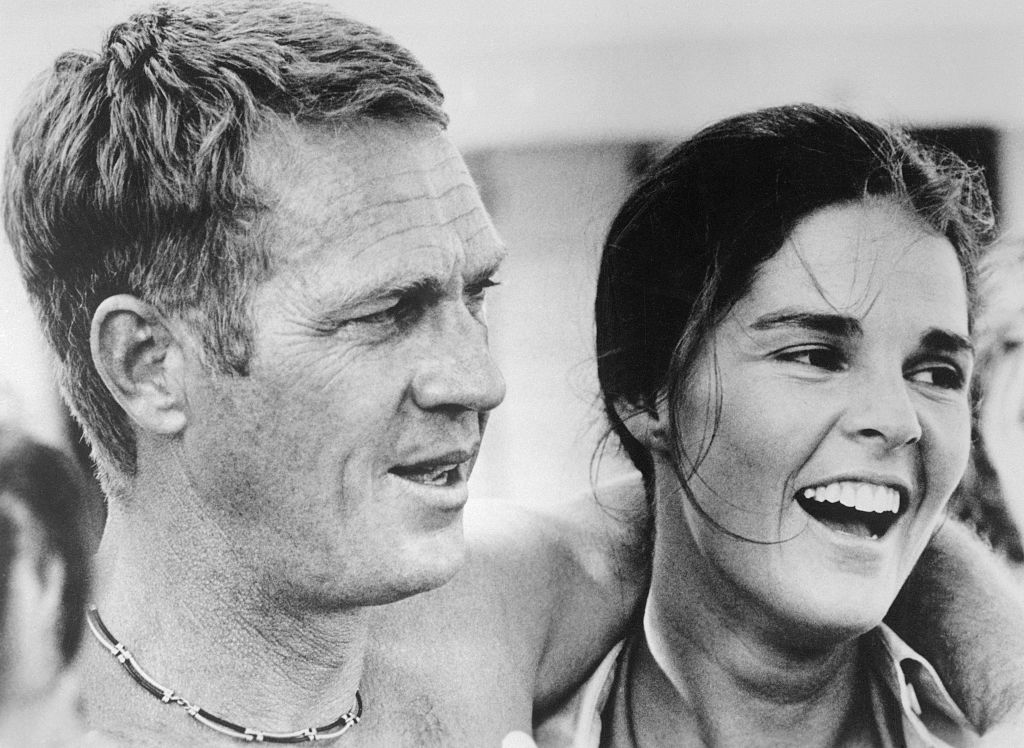
She had only recently met McQueen, and the spark between them ignited instantly. At that time, she was at the height of her popularity following the massive success of Love Story, which had made her one of the most recognisable actresses on the planet. McQueen, who was already being called the ‘King of Cool’, was also at the peak of his fame — rough-edged, rebellious, effortlessly magnetic. Together, they looked like a volatile mix.
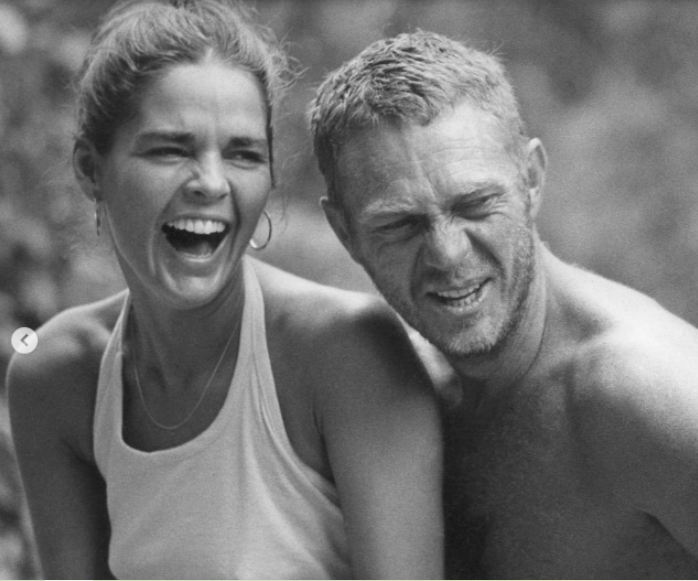
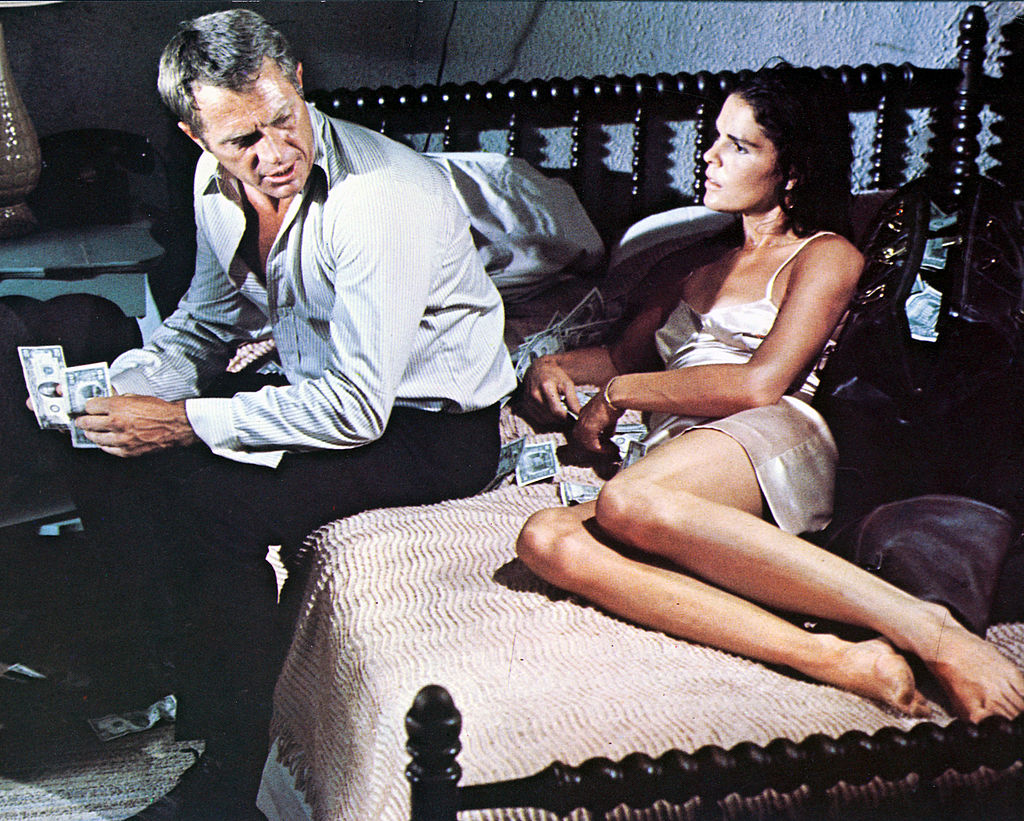
Their romance really took off during the filming of The Runaway, where they played lovers. It was McQueen himself who asked her to be his co-star in the film, and from their very first meeting there was an obvious attraction between them. McGraw later admitted that a single glance into his blue eyes was enough to make her legs go weak and completely lose her composure.
Things then took a dramatic turn—both in her private life and in the public eye. A few months later, McGraw left her husband, the influential Paramount executive Robert Evans, causing a major scandal at a time when Hollywood took a much stricter view of such affairs. She later reflected on the pain she had caused, admitting that although she had not sought out this situation deliberately, the consequences had hit Evans hard.
By 1973, McGraw and McQueen were married. In keeping with McQueen’s rebellious nature, their wedding was nothing like a lavish Hollywood ceremony. They exchanged vows under a poplar tree in a city park in Cheyenne, Wyoming. Judge Art Garfield, as is well known, had to interrupt a round of golf right in the middle of the game when McQueen himself rang him and asked him to perform the ceremony. Only their children were present at the wedding — a very private moment for a couple who usually lived under the blinding glare of public attention.
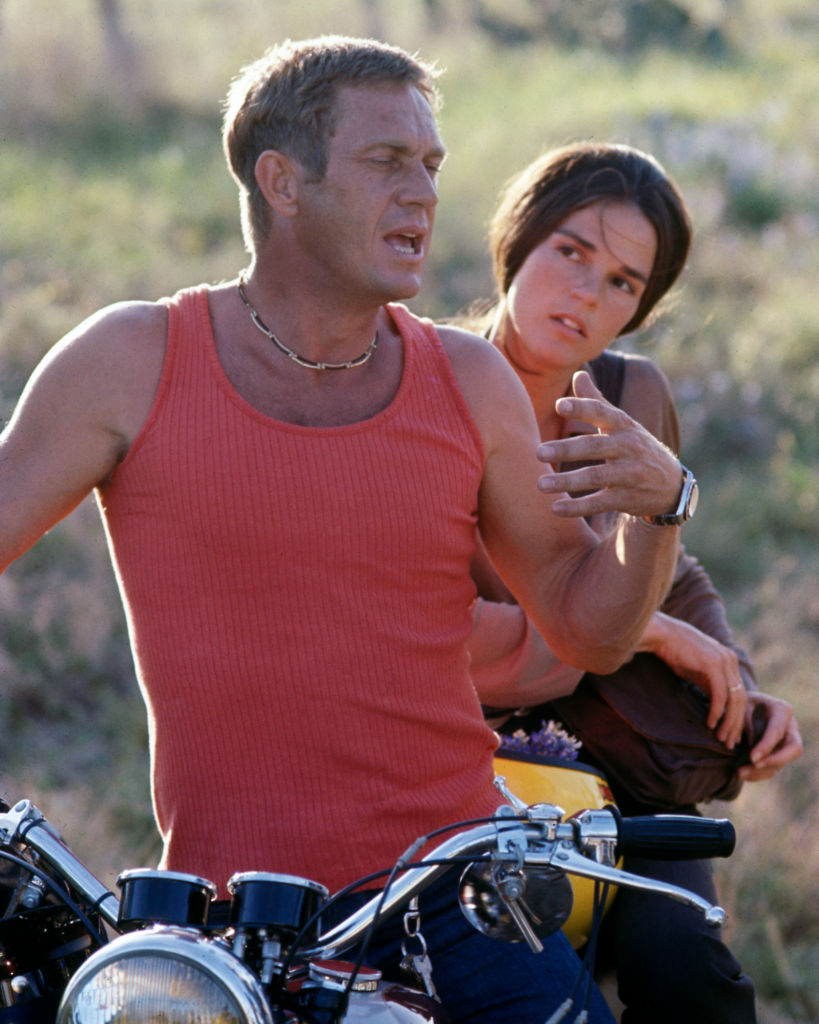
Together, they epitomised the style of 1970s Hollywood: leather jackets, denim, aviator sunglasses, languid glances and impeccable confidence. Almost every photograph of them looked like an iconic shot. Their relationship embodied the freedom, passion and glamour of the silver screen.
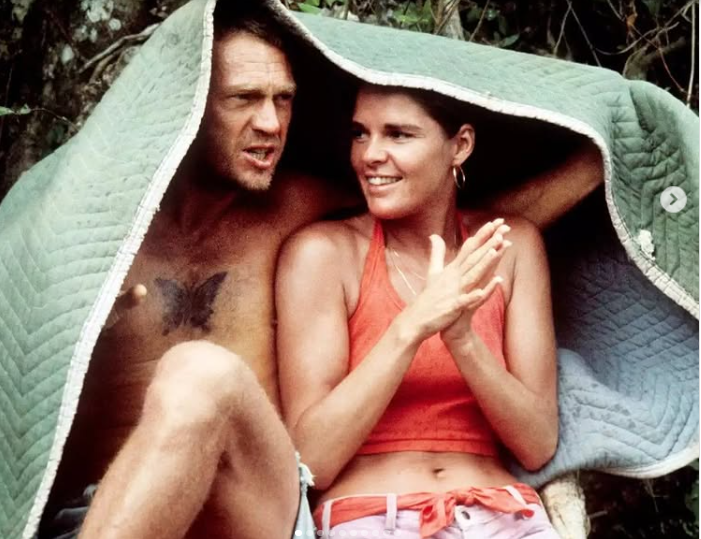
But cracks were gradually beginning to show beneath the surface glamour and intensity of their relationship. Rumour had it that McQueen’s desire to control everything increasingly clashed with McGraw’s independence and ambition. She later recounted that he found it difficult to trust people—largely due to his difficult childhood. Over time, the tension grew: she felt increasing pressure and the need to give up parts of her own career to meet his expectations. By 1978, their marriage had broken down.
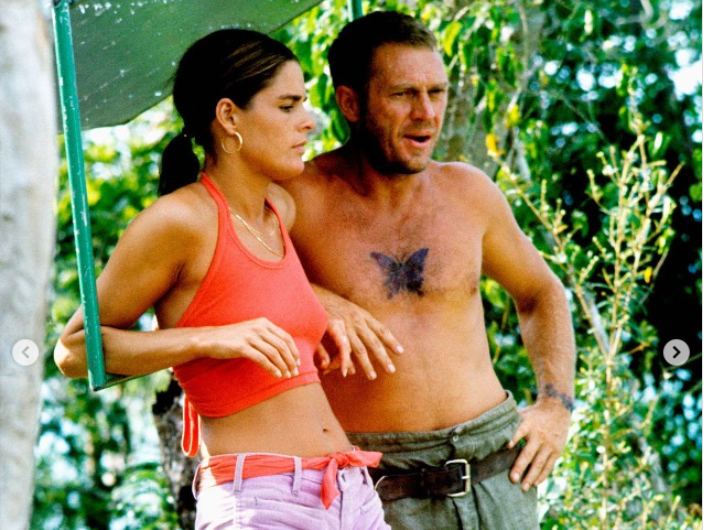
Today, that sun-drenched photograph from the set of The Butterfly seems imbued with a special meaning — it is not only a moment of an intoxicating beginning, but also a hint at the fragility of a feeling too strong to last forever. Their hands almost touching, McQueen’s gaze, McGraw’s barely perceptible smile — it all looks like a snapshot of desire, fate and inevitability.
Adding to the legend of this story is the fact that McQueen’s performance in The Moth, which received widespread acclaim, never earned him a nomination at the 46th Academy Awards. Some believed it was a political snub linked to his scandalous affair with McGraw and his complicated relationships within the film industry. Others pointed to his sharp temperament or even argued that he might have been too mature for the role of Henri Charrière in the film’s early scenes.
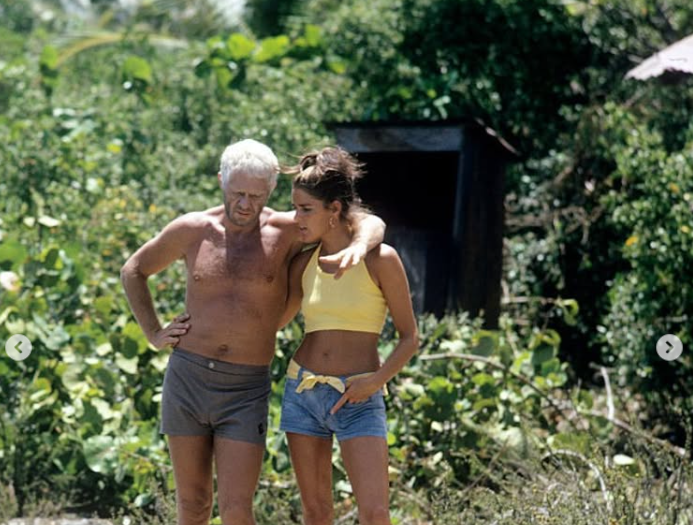
Whatever the real reason may have been, the combination of a high-profile scandal, star power and an Oscar snub only served to fuel the myth surrounding this story. Their love did not stand the test of time, but it left a lasting mark on 1970s Hollywood—a mark that continues to captivate even decades later.