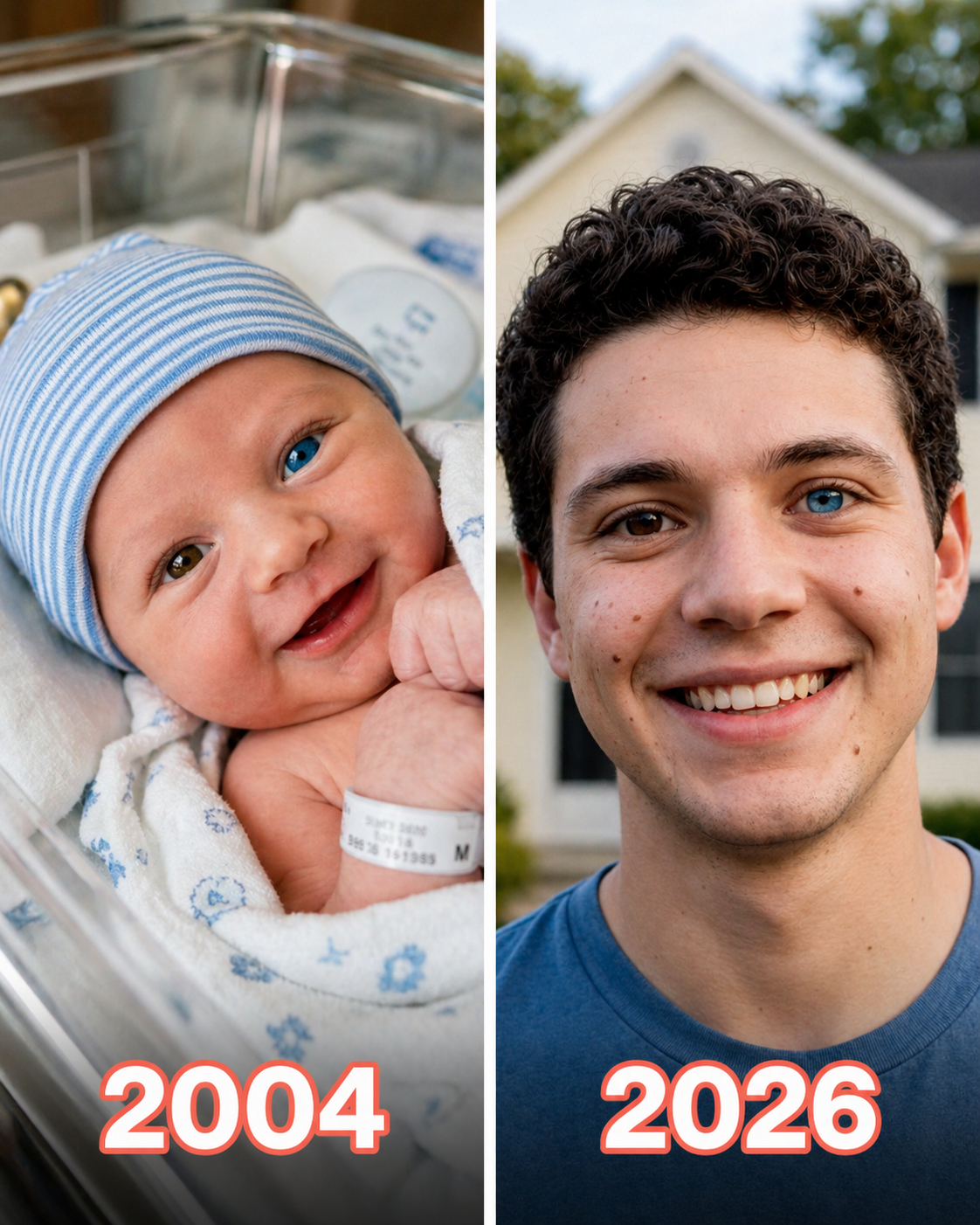
For twenty-one years, I believed the worst thing my parents had ever done was lie to me once. Then a new neighbor moved in, and a simple visit next door unraveled a truth that had been living closer to me than I ever could have imagined.
I’m thirty-eight now.
From the outside, my life looks steady — a quiet home, a stable job, and my father staying in the guest room because age has weakened him in ways guilt never seemed to.
But calm doesn’t mean whole.
I was seventeen when I got pregnant.
My parents didn’t yell. They didn’t need to. They were wealthy, respected, and deeply invested in how the world perceived them. Instead of anger, they became efficient.
My mother made calls.
My father avoided my eyes.
And I was quietly removed from my life.
To everyone else, I had gone to a “health retreat.”
In reality, it was a private clinic in another town.
I wasn’t allowed visitors. I couldn’t call friends. Every question I asked was answered with the same cold reassurances:
“This is temporary.”
“This is for the best.”
“You’ll understand someday.”
When labor finally came, I was alone except for a nurse who looked uneasy the entire time. She wasn’t unkind — just quietly complicit, like someone who knows something is wrong but chooses not to face it.
After hours of pain, I heard my baby cry.
Just once.
A thin, fragile, undeniable sound.
I tried to sit up, desperate.
“Is he okay? Please… let me see him…”
No one answered.
Then my mother walked in, composed as always, her voice steady.
“He didn’t survive.”
That was all she said.
No explanation. No doctor. No goodbye.
I remember shouting,
“No. I heard him. I heard him cry.”
She didn’t react.
“You need to rest.”
I fought to get up. Someone sedated me.

When I woke, everything felt empty.
I asked again.
“Where is he?”
My mother turned a page in her magazine.
“You need to move forward.”
I asked if there would be a funeral.
“There’s nothing for you to do here.”
That night, when she stepped out, the nurse returned.
She slipped me a small piece of paper.
“If you want to write something,” she whispered, “I can try to send it with him.”
It was all I had left.
I wrote one sentence:
Tell him he was loved.
I gave her the note — and the only thing I had made for him.
A small knitted blanket. Blue wool, with yellow birds stitched into the corners. I had hidden it the entire time, like a secret piece of hope.
The next day, both were gone.
When I later asked about the blanket, my mother said,
“I burned it. It wasn’t healthy for you to hold onto it.”
And just like that, my life was reset.
I was sent to college before I had even healed.
No grave.
No proof.
No closure.
Just silence.
So I learned to carry grief quietly — in a way that didn’t inconvenience anyone.
My mother died two years ago.

My father moved in last year after his health declined. His memory is selective — fading in some places, painfully sharp in others.
Last week, I was pulling weeds in the yard when a moving truck pulled into the house next door.
A young man stepped out.
And everything inside me stopped.
Dark curls. Familiar features. My chin.
I told myself I was imagining it. People see what they want to see.
Then he smiled and walked over.
“Hi, I’m Miles. Looks like we’re neighbors.”
I stared too long.
“Sorry… I’m Claire,” I managed.
We spoke briefly — small talk, nothing meaningful.
But my hands were shaking when I went back inside.
My father was in the kitchen.
“The new neighbor looks like me,” I said.
He brushed it off at first.
But when I insisted, something shifted.
He set his cup down too fast.
Turned pale.
“Don’t start this again,” he muttered.
Again?
That word stayed with me.
Two days later, everything changed.
Miles knocked on my door.
“I made too much coffee,” he said with an easy smile. “Want to come over?”

I should have said no.
Instead, I said yes.
His house still smelled like fresh paint and cardboard.
I stepped inside—
—and froze.
There, draped over a chair, was a blanket.
Blue wool.
Yellow birds.
My blanket.
The one I was told had been destroyed.
“Where did you get that?” I asked, my voice barely steady.
Miles picked it up casually.
“I’ve had it my whole life.”
I couldn’t breathe.
Then he said, gently,
“I was adopted when I was three days old. My birth mother left this with me… and a note.”
He paused.
“It said: ‘Tell him he was loved.’”
The world tilted.
Those exact words.
My words.
“Why do you know that?” he asked.
Before I could answer, my father appeared behind me.
“Claire, we need to go.”
But it was too late.
I already knew.
Not suspected.
Not guessed.

Knew.
“Tell me the truth,” I said.
He hesitated.
“Now.”
Finally, he broke.