
I believed the worst part of my divorce was already behind me—until the day my phone rang at work and everything unraveled again. Within hours, I found myself facing a situation where my daughter’s life depended on decisions I wasn’t prepared to make.
I never imagined a divorce could drain someone so completely.
Ethan and I had finalized ours not long before, but it had been brutal. He was a successful businessman, owning several restaurants across the city—and if there was one thing he valued as much as his success, it was holding onto his money.
The process was exhausting.
He fought over everything. I still remember him standing in our kitchen, pointing at appliances like they were trophies.
“I paid for the microwave and the fridge, so they’re mine,” he said.
By the end of it, I felt hollowed out.
I worked long shifts at a pharmacy. The pay was steady, but it wasn’t much. Still, Olivia and I managed. She was eight—smart, kind, and far more resilient than a child her age should have to be.
She never complained.
We had built a routine. It wasn’t perfect, but it worked for us.
Until one afternoon, when everything changed.
I was halfway through my shift when my phone rang.
The number was unfamiliar, but something inside me told me not to ignore it.
“Is this Olivia’s mother?” a man asked.
My stomach tightened instantly. “Yes. What happened?”
“She had an accident while riding her bike. An ambulance is bringing her in now.”
Everything after that blurred. I don’t remember grabbing my things or leaving work—I just remember running.
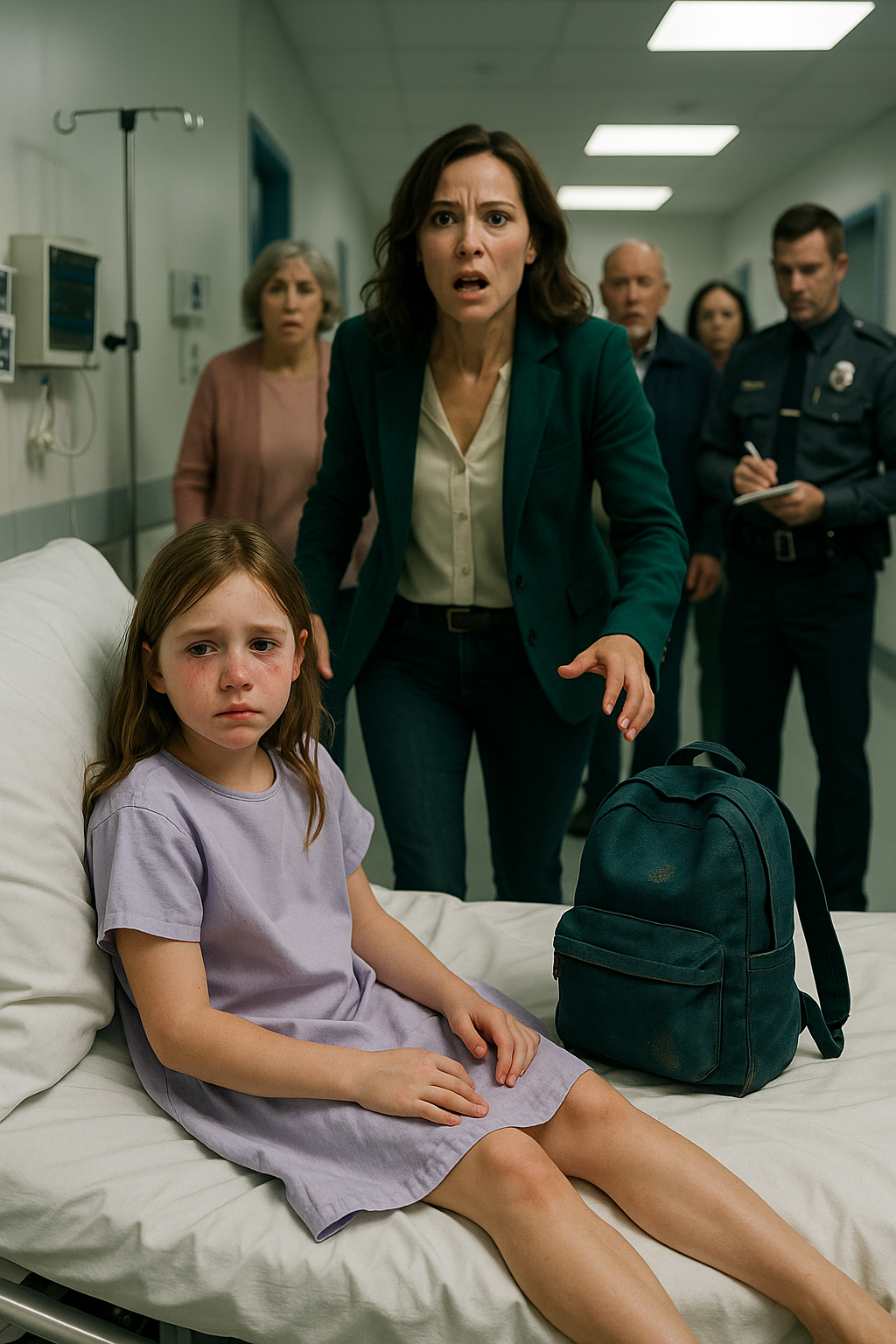
By the time I reached the hospital, Olivia had already been admitted. Her nanny was pacing outside, shaken to the point she could barely speak. I sent her home.
All that mattered was my daughter.
She looked so small in that hospital bed. Pale. Fragile. Her leg wrapped, machines quietly monitoring her condition.
A doctor explained the situation.
“She fell hard after hitting a rock. There’s internal damage that requires surgery. After that, she’ll need long-term therapy to fully recover mobility.”
Then came the number.
Even with insurance, the cost was overwhelming—far beyond anything I could manage.
I nodded as if I understood.
But my mind had already gone to one person.
Ethan.
Calling him was the last thing I wanted to do.
But this wasn’t about me.
I stepped into the hallway, took a breath, and dialed.
He answered on the third ring.
“What is it?” he said flatly.
“It’s Olivia. She’s in the hospital. You need to come—we need to talk.”
A pause.
“I’m busy.”
“This isn’t optional, Ethan.”
Another pause.
“Fine. I’ll come.”
He arrived forty minutes later, completely unhurried.
“What’s going on?” he asked.
I explained everything.
Then I got straight to the point.
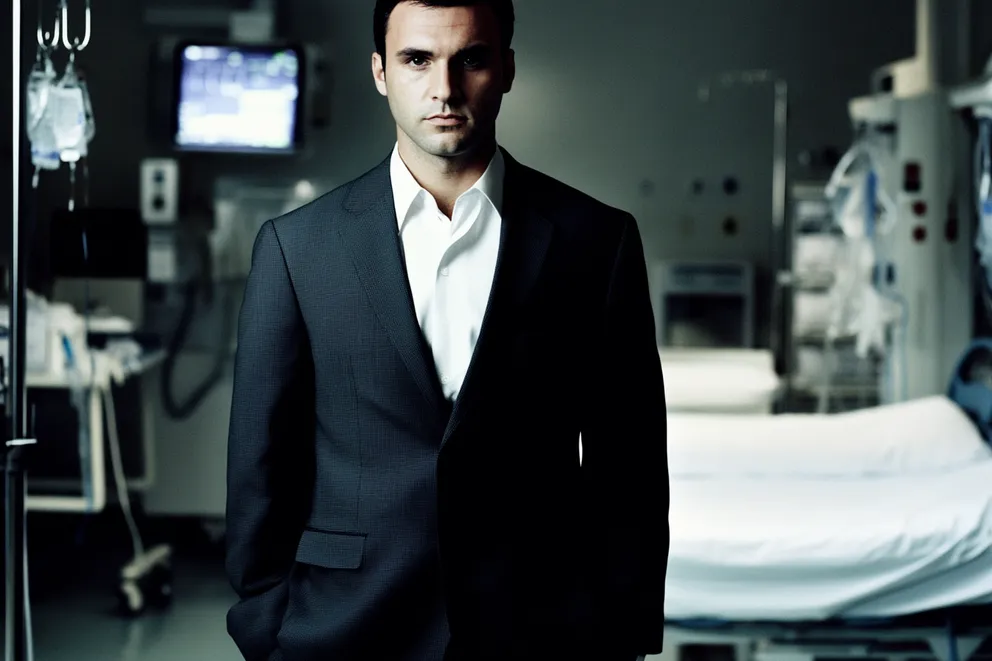
“I need your help covering the medical costs.”
He laughed.
Actually laughed—standing there in a hospital.
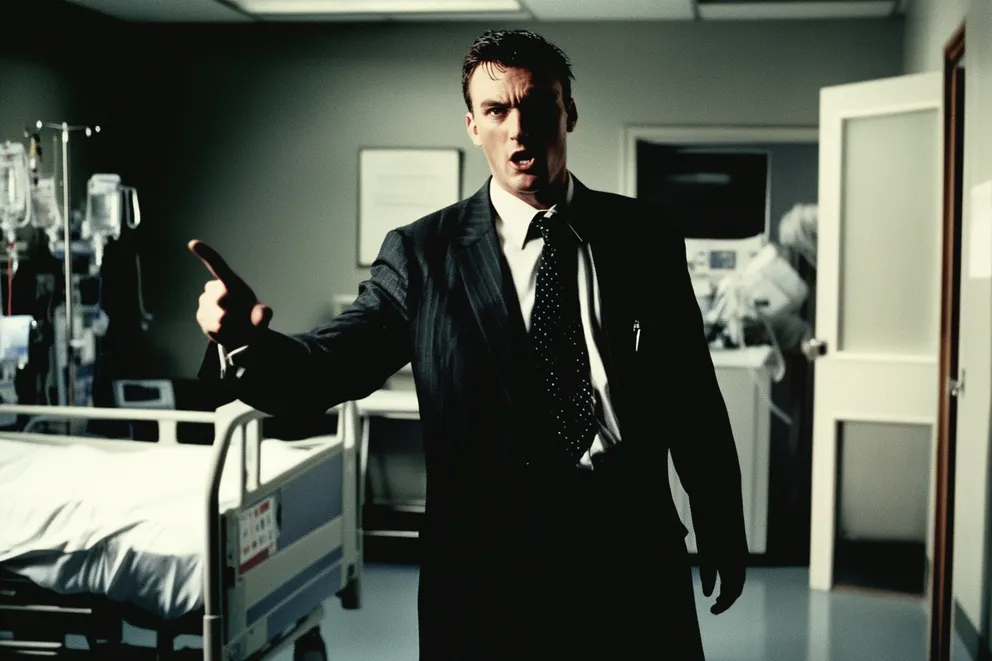
“Claire, I’ve got a new family now,” he said. “I have responsibilities. You’ll have to handle this yourself.”
For a moment, I thought I’d misunderstood him.
“What?”
“You heard me. This isn’t my problem. You were responsible for her. If you’d been paying attention, she wouldn’t have gotten hurt.”
People nearby had started watching.
Something inside me broke.
“She’s your daughter!”
My hands were shaking.
But he just shrugged.
“This is your fault. You deal with it.”
I had seen glimpses of his new life online.
Luxury trips. Expensive gifts. His new wife, Vanessa, smiling in every photo.
I had told myself it didn’t matter.
But standing there, hearing him refuse to help his own child—it hit differently.
I felt tears building.
And then something shifted.
A doctor stepped into the hallway.
He studied Ethan carefully before speaking.
“I didn’t expect to see you here,” he said. “Not after last time.”
I frowned. “What does that mean?”
Ethan stiffened. “I have no idea what he’s talking about.”
But the doctor didn’t back down.
“You walked away,” he said. “When those families needed you.”
I stepped forward. “Someone explain this. Now.”
The doctor sighed.
“A few years ago, he publicly committed to funding a rehabilitation program for children. Then he quietly pulled out when it no longer benefited him.”
I turned slowly toward Ethan.
He shrugged. “It was business.”
The doctor’s voice hardened.
“And now you’re doing the same thing to your own daughter.”
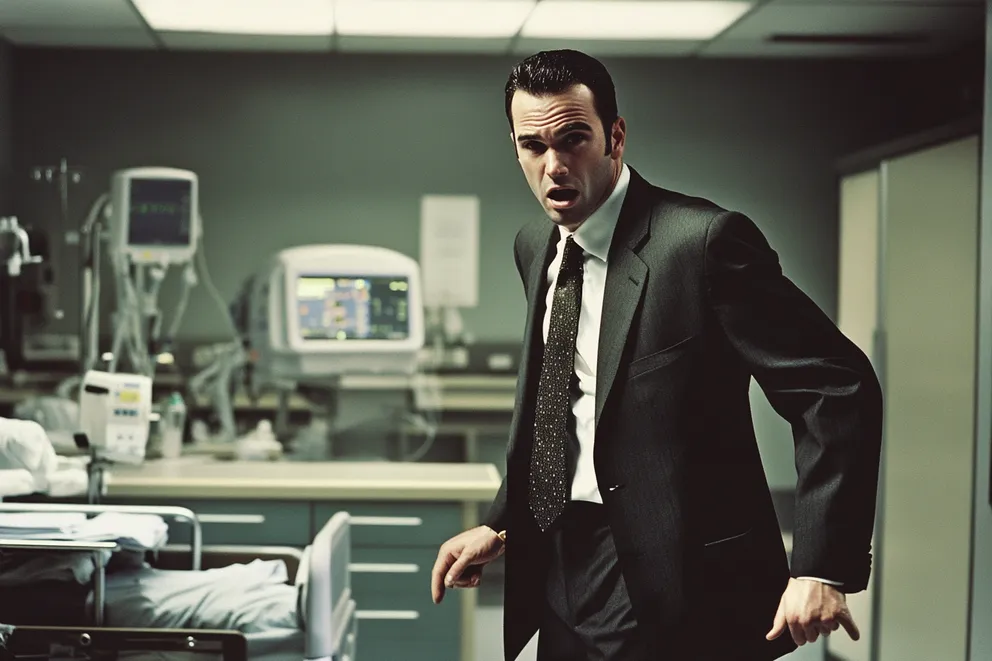
Ethan muttered something and walked away.
I didn’t follow.
For the first time since Olivia’s accident, I didn’t feel powerless.
I felt something else.
Clarity.
That night, sitting beside Olivia’s hospital bed, I didn’t cry.
I researched.
Articles. Interviews. Old announcements.
Anything connected to Ethan.
At first, everything painted him as generous and successful.
Then I found it.
A short piece about the children’s rehab program.
His name was there.
But there were no updates.
No follow-through.
I dug deeper. Reached out to people involved.
Most ignored me.
Then one replied.
Her name was Carla.
She remembered everything.
Families had depended on that funding. Planned around it.
And then it disappeared.
No warning.
No explanation.
When the call ended, I knew what I needed to do.
The next morning, I made another call.
One I didn’t want to make.
“My name is Claire,” I said. “I’m Ethan’s ex-wife.”
A pause.
“I’m not asking for anything,” I continued. “But you should know the truth.”
I told him everything.
About Olivia.
About Ethan’s refusal.
About the program.
When I finished, he simply said, “Thank you for telling me.”
And hung up.
Two days later, Ethan came back.
But this time, he wasn’t the same.
He stood quietly in the doorway.
Olivia looked at him. “Dad?”
“Hey, kiddo,” he said softly.
We stepped into the hallway.
“I spoke to Mark,” he admitted—his business partner.
“He’s reviewing things. My decisions. Everything.”
I stayed silent.
“But I’m not here about that,” he added. “I’m here for Olivia.”
I studied him carefully.
“I’ll pay for everything,” he said. “The surgery. The therapy. All of it.”
“Why now?” I asked.
He hesitated.
“Because I should have done the right thing back then. I can’t fix that—but I can do this.”
It wasn’t perfect.
But it was enough.
The paperwork took another day.
This time, he didn’t argue.
Didn’t negotiate.
He just signed.
And for the first time since the accident—I could breathe.
The surgery went well.
Recovery was long.

Therapy was harder.
But Olivia was stronger than anyone expected.
Step by step, she improved.
Months later, I got a call from Mark.
“The information you gave me changed everything,” he said. “We’re investigating Ethan. The funds from that project… they may not have disappeared. They may have been redirected.”
Everything clicked.
Ethan hadn’t come back because he suddenly changed.
He came back because he couldn’t avoid the truth anymore.
That night, sitting by the window, I finally felt still.
The bills were covered.
Olivia was healing.
Life wasn’t perfect.
But it was steady.
Ethan and I would never rebuild what was broken.
But he had faced something he’d spent years avoiding.
And that was enough.
Not forgiveness.
Not closure.
Just peace.
And sometimes, peace is all you need to move forward.