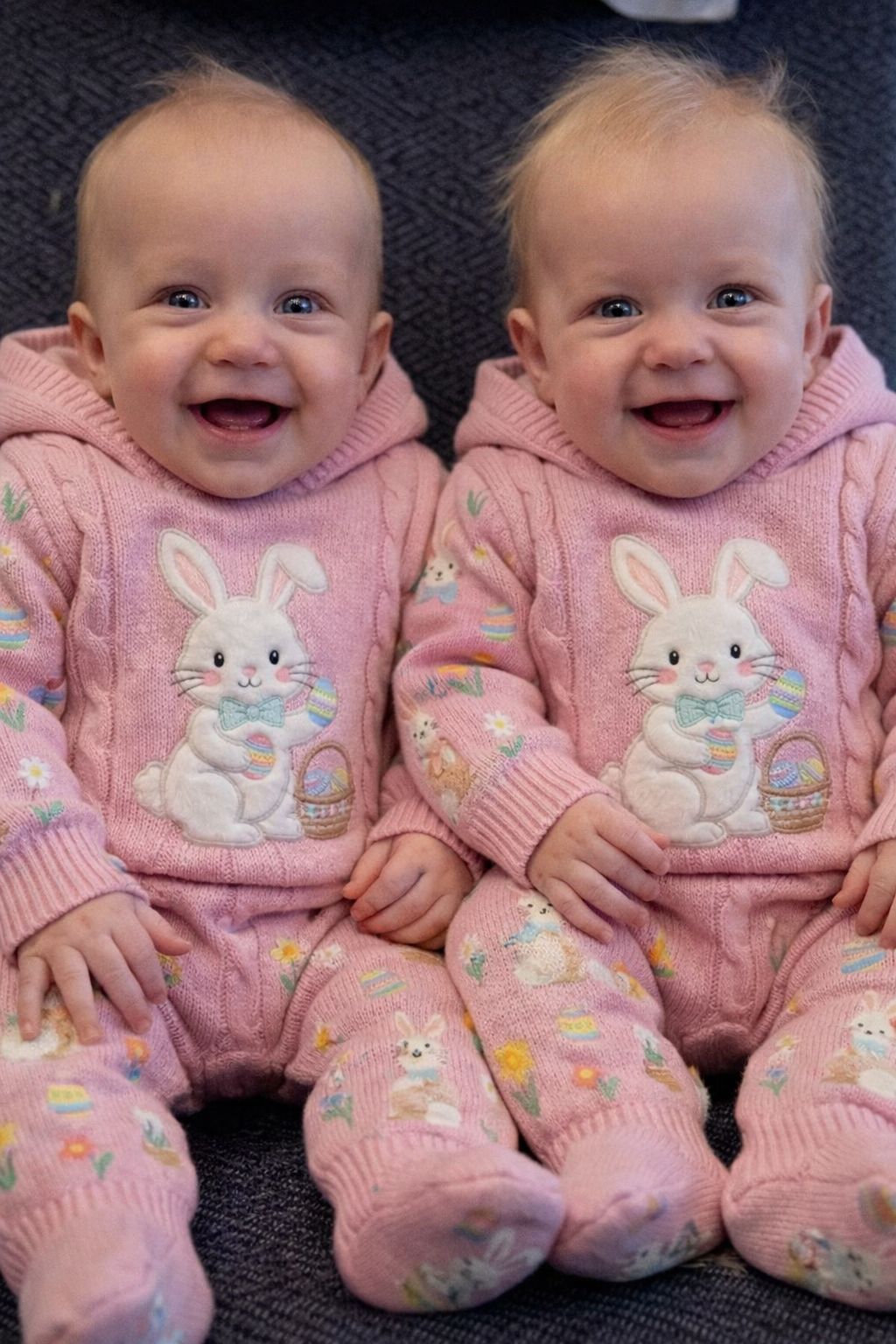
Eighteen years ago, I adopted two abandoned babies I found on a plane. They became my reason to keep living after I lost everything. Just last week, a stranger came to my door claiming to be their biological mother. But the document she handed them made one thing painfully clear—she hadn’t returned out of love.
My name is Margaret. I’m 73 years old, and this is the story of how grief unexpectedly gave me a second chance at being a mother.
Eighteen years ago, I was on a flight back home to bury my daughter. She had died in a tragic car accident, along with my grandson. The loss hollowed me out completely. I felt like I was just existing, not living.

I barely noticed the commotion a few rows ahead until the sound of crying became unbearable.
Two babies—a boy and a girl, no more than six months old—were sitting alone in their seats. Their faces were flushed from crying, their tiny bodies trembling.
What shocked me even more than their cries was the reaction of the people around them.
“Can someone make them stop?” a woman snapped.
“They’re unbearable,” another passenger muttered.
Flight attendants walked past with strained smiles, unsure what to do. Every time someone got too close, the babies flinched.
It broke something inside me.
The young woman sitting beside me leaned in and whispered, “Someone has to step up. They need help.”
I looked at those babies—now barely making a sound, as if they had already learned no one was coming for them.
Before I could overthink it, I stood up.
The moment I picked them up, everything changed.
The boy buried his face into my shoulder, clinging to me. The girl pressed her cheek against mine, gripping my blouse.
They stopped crying instantly.
The entire cabin fell silent.
“Is there a parent on this plane?” I called out. “Please come forward if these are your children.”
No one responded.
Not a single voice.
Not a single movement.
The woman beside me gave me a soft, knowing look.
“You’ve already saved them,” she said. “Maybe they’re meant to be yours.”
I sat back down, holding them tightly, and began talking to her. I told her about my daughter, my grandson, and the empty home waiting for me.
She asked where I lived, and I told her about my small yellow house with the oak tree out front.
What I did next may sound irrational—but I couldn’t let those babies go.
I simply couldn’t.
After landing, I went straight to airport authorities. Social services were called, and I explained everything—who I was, where I lived, what had happened.
They searched for the babies’ parents.
No one came forward.
No one even asked.
The babies were taken into care.
The next day, I buried my daughter.
But even through the grief, my thoughts kept drifting back to those two little faces… the way they had held onto me without hesitation.
I couldn’t forget them.
So I went to social services and told them I wanted to adopt them.
They questioned me thoroughly. Checked my background. Inspected my home. Asked me again and again if I was certain—especially at my age, especially in my emotional state.
But I had never been more sure of anything.
Three months later, it became official.
I named them Ethan and Sophie.
They gave me a reason to wake up each morning when I thought I had nothing left to live for.
I devoted myself entirely to raising them.
They grew into incredible young adults.
Ethan developed a deep sense of justice, always standing up for others. Sophie inherited a sharp mind and a compassionate heart that reminded me so much of my daughter.
For years, everything felt right.
Until last week.
The knock on my door was sharp and insistent.
When I opened it, I saw a well-dressed woman standing there, surrounded by an expensive cloud of perfume.
Then she smiled.
And I recognized her.
“Hello, Margaret,” she said. “I’m Alicia. We met on that flight… eighteen years ago.”
My heart dropped.
She had been the woman sitting next to me.
Before I could react, she walked inside as if she belonged there, her eyes scanning the house, the photos, the life we had built.
Then she said the words that changed everything.
“I’m their mother.”
Ethan and Sophie had just come downstairs.
They froze.
“You abandoned them,” I said quietly. “You left them alone on a plane.”
“I was young,” she replied coldly. “I had an opportunity I couldn’t refuse. Two babies would have ruined everything.”
She looked at them without guilt.
“I saw you grieving,” she continued. “I thought you needed them. So I made a decision.”
“You manipulated me,” I whispered.
“I gave them a better life than I could at the time,” she said, pulling out an envelope.
Then her tone changed.
“I need them to sign something.”
Sophie stepped forward. “Why?”
“My father died,” Alicia explained. “And he left his entire estate to his grandchildren—to punish me.”