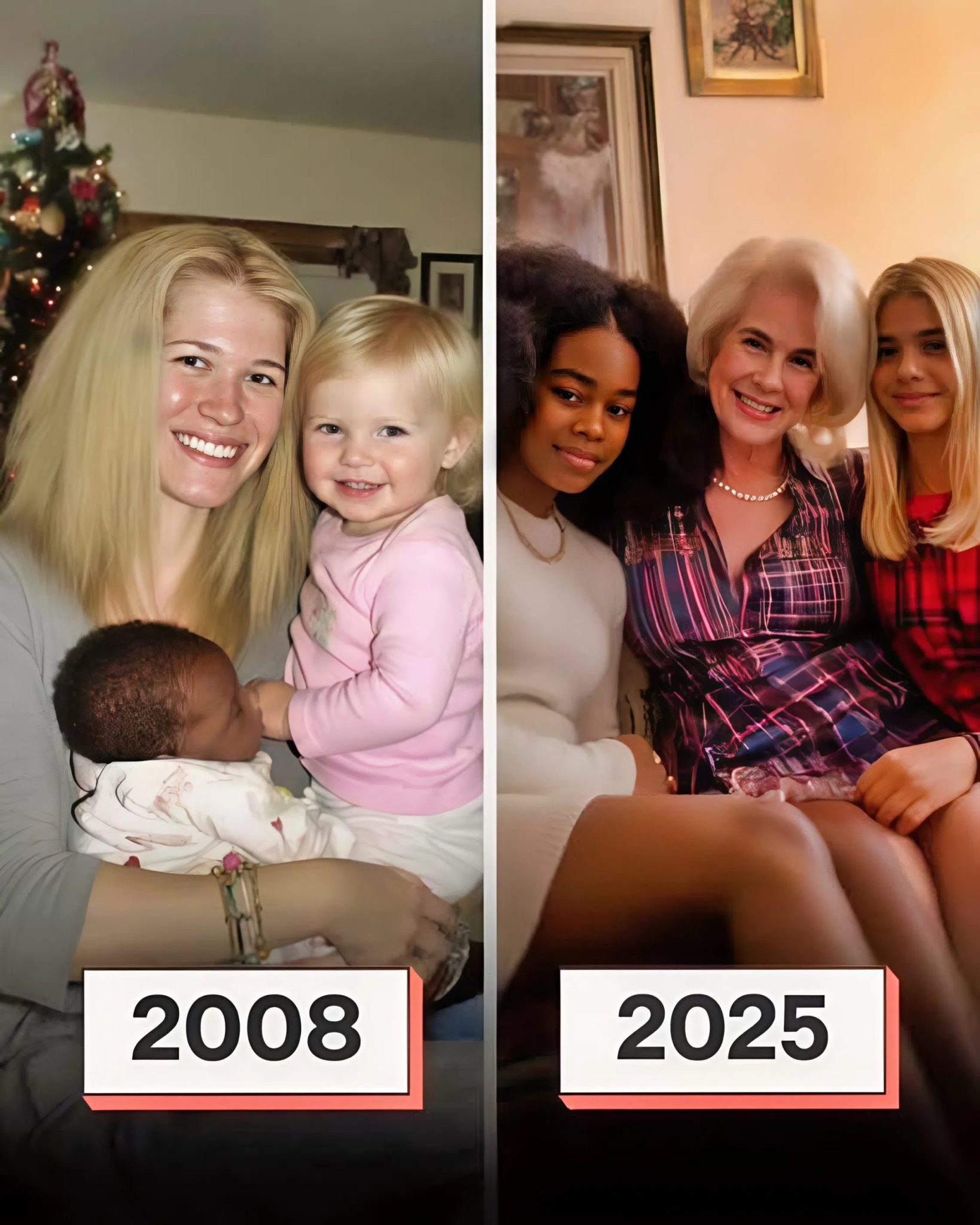
I never wanted anything more than to be a mother, and after years of suffering and repeated miscarriages, my prayers were finally answered when Stephanie was born. She came into the world full of life, demanding love and attention, and my husband John and I enjoyed the happiness we had waited so long for. However, in my darkest years, in my deep despair, I made a promise: if God blessed me with a child, I would also adopt one who had no family. That vow remained silently in my heart, a sign of hope born of pain, until the day, two weeks after Stephanie’s first birthday, we welcomed Ruth into our family.
Ruth was different from Stephanie in ways that became more apparent as they grew older. Stephanie was confident, fearless, and naturally assertive; Ruth was cautious, observant, and quietly measured her world. I loved them both equally, but their differences created subtle tensions. What seemed like ordinary sibling rivalry often carried an underlying tension that I couldn’t quite name, and in their teenage years, it escalated into heated arguments about attention, fairness, and identity. I tried to guide them through these moments, but beneath the surface there was something deeper than everyday conflicts.
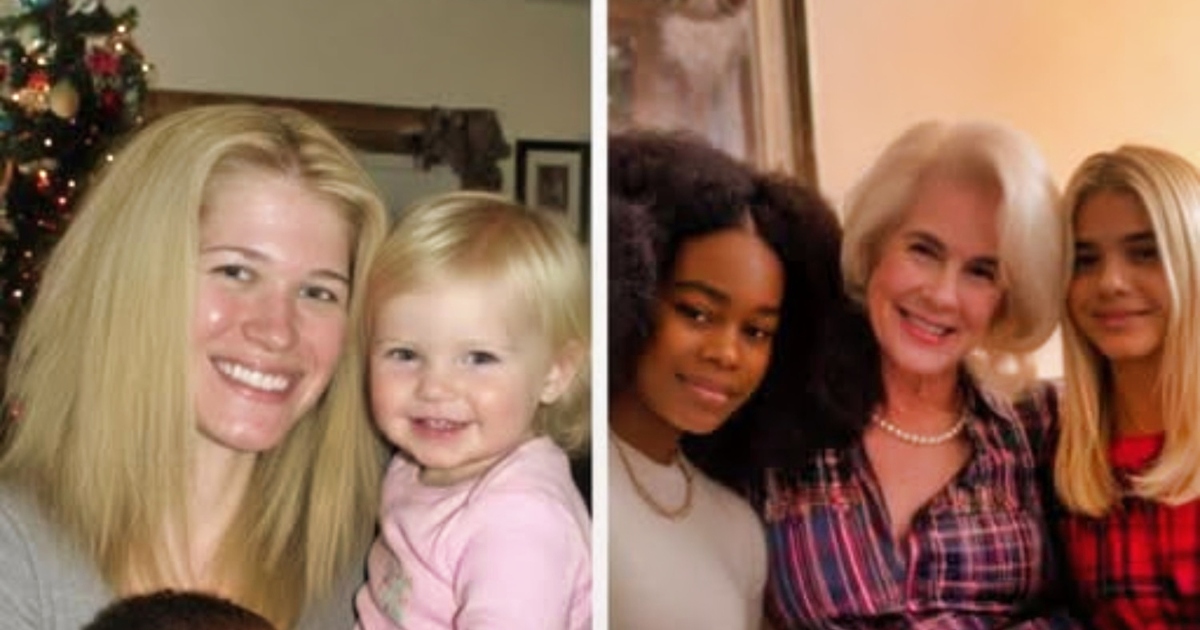
The night before the ball, Ruth’s tension exploded. She told me she didn’t want me to attend her ball and revealed her intention to leave after it was over. Her words struck me to the core: Stephanie had told her that she had been adopted only because I had made a promise in despair, as if Ruth’s place in our family were some kind of transaction. My heart ached, but I calmly explained the truth — how the prayer had been made in a moment of desperation and that my love for Ruth was real, born from the moment I first held and nurtured her, not because of a commitment or a contract.
Ruth listened, processing the explanations with the mixture of pain and stubbornness that accompanies her at seventeen. She went to the ball alone and did not return that night, and John and I spent the night waiting and worrying. When Stephanie admitted that she had twisted my words in an argument, I hugged her as she cried, understanding that even the best intentions are sometimes misunderstood or misused. The days dragged on, filled with fear and hope, as I waited for Ruth to return and rebuild our bond of trust and love.

On the fourth day, Ruth appeared at the door, tired but determined. She told me that she didn’t want to be the result of any promise – she just wanted to be my daughter. I hugged her tightly and assured her that she had always been loved for who she was, not for any vows. In that embrace, the pain, misunderstandings and fears of the past dissolved, leaving only the bonds between a mother and her two daughters, each loved in her own way, unconditionally, ready to grow together again as a family.