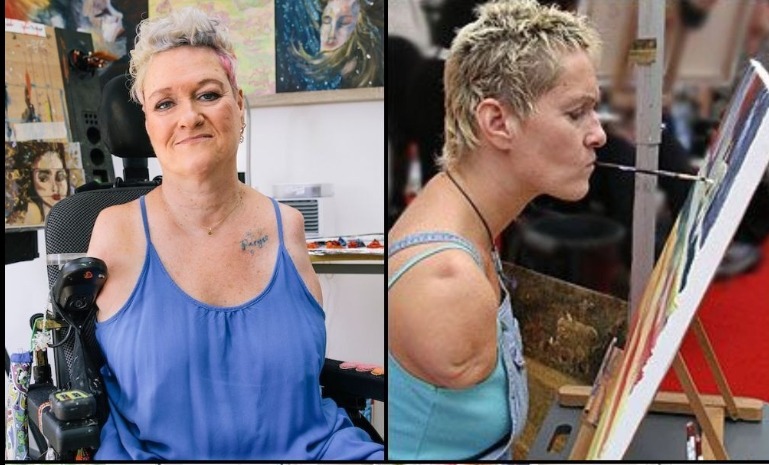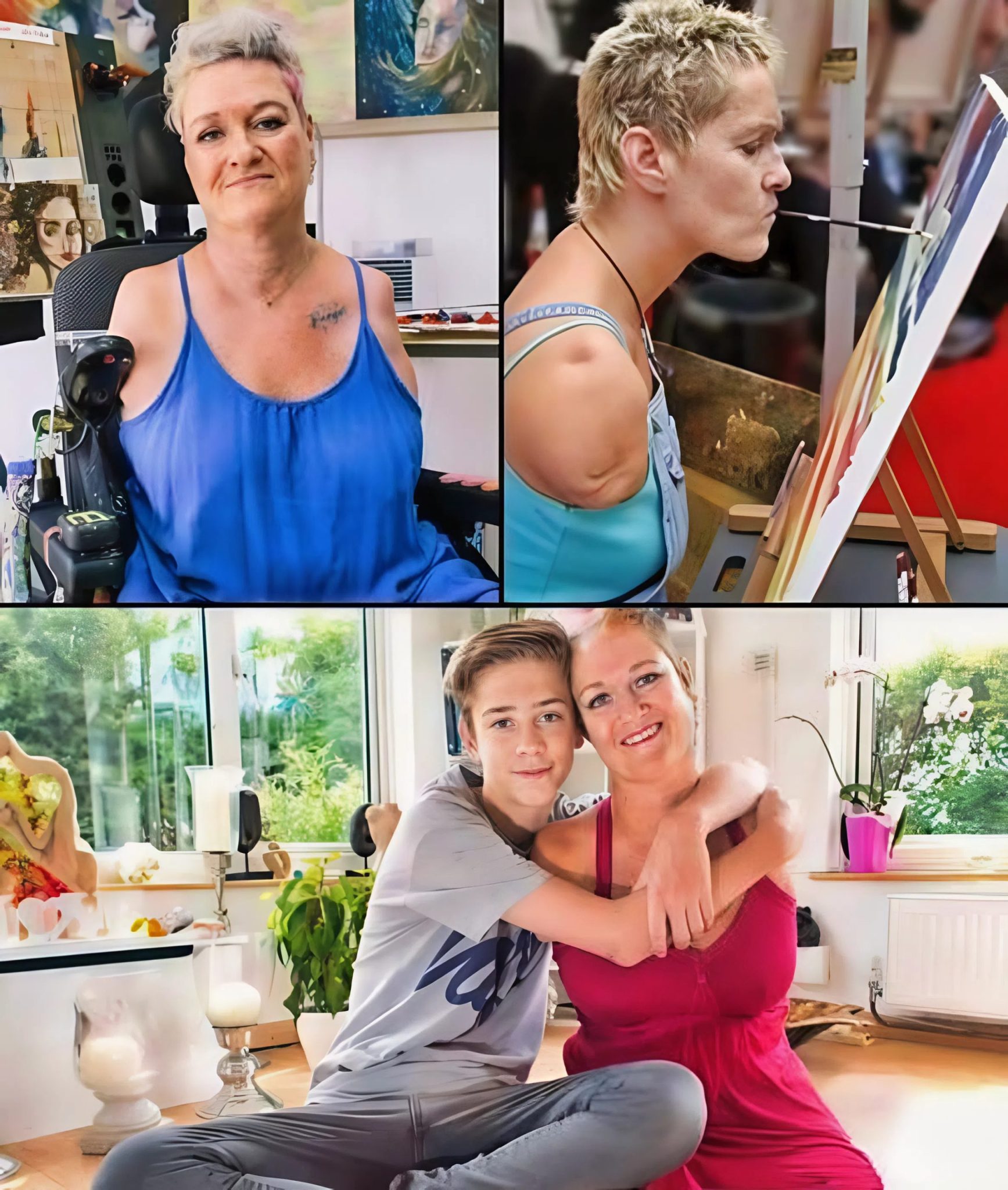
Alison Lapper, born with phocomelia, which resulted in the absence of arms and underdeveloped legs, was described by doctors as a ‘difficult case’, by her family as a source of shame, and by institutions as a body in need of repair. From an early age, she was told that she would never live independently, work, love, or – even more so – become a mother. However, Alison did not accept these limitations. She treated each of them as a challenge. She did not live to prove anything to anyone, but to create. She painted, wrote and expressed herself with her mouth, slowly turning art into a tool of freedom and a way out of institutional life.
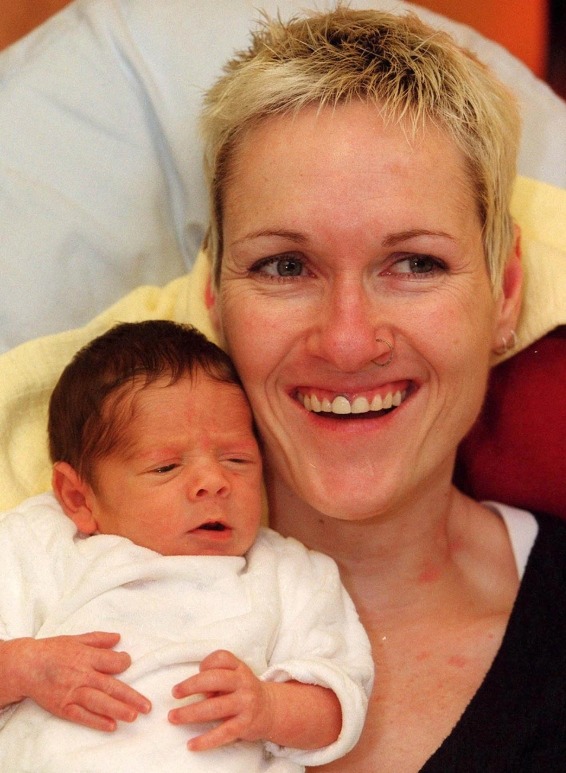
Her determination led her to university and later to professional recognition, culminating in membership of the prestigious Royal Academy of Arts. Against all odds, the impossible happened – Alison became pregnant. The child’s father, her former partner, refused to acknowledge his son or participate in his upbringing. Alison never revealed his name, emphasising that she did not want to explain herself to the world – her mission was to raise her child with love. In 1999, Parys Lapper was born, raised by a mother endowed with extraordinary strength, dignity and fortitude, despite her physical limitations.
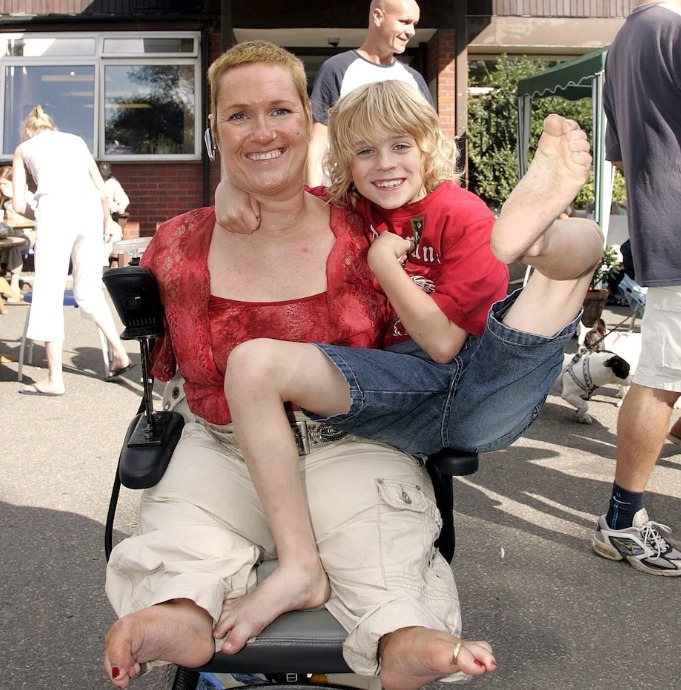
Raising Paris required tremendous courage – she performed every daily task: feeding, dressing, cuddling and teaching, without hands, guided solely by her heart. Her story became a global symbol in 2005 when sculptor Marc Quinn immortalised her in the monumental sculpture Alison Lapper Pregnant. The giant, proudly displayed pregnant woman without limbs stood in Trafalgar Square in London, causing a stir and huge debate.
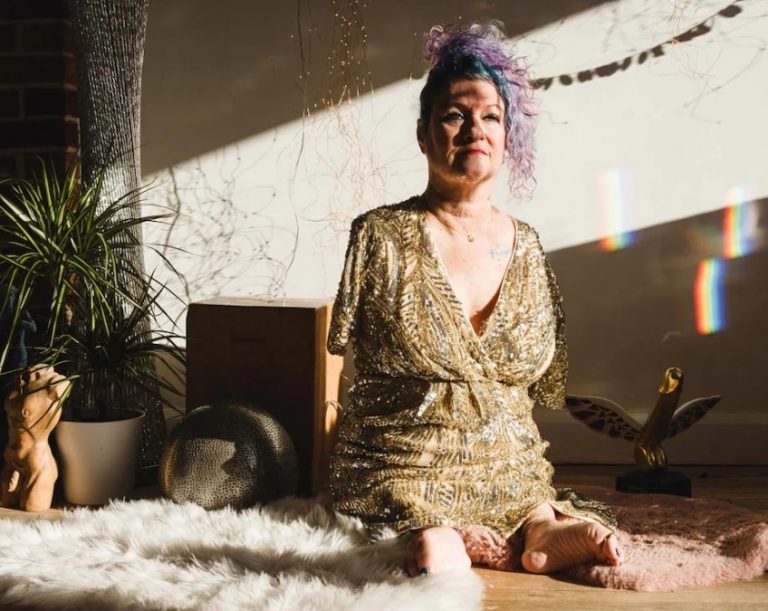
For many months, millions of people viewed this extraordinary sculpture, which challenged stereotypes about disability and motherhood. It did not show weakness, but strength. It showed that motherhood is not reserved for ‘perfect’ bodies — it is an act of will, responsibility and love. Thanks to this public exhibition, Alison’s personal journey became a powerful, silent protest against all those who said she would never succeed.
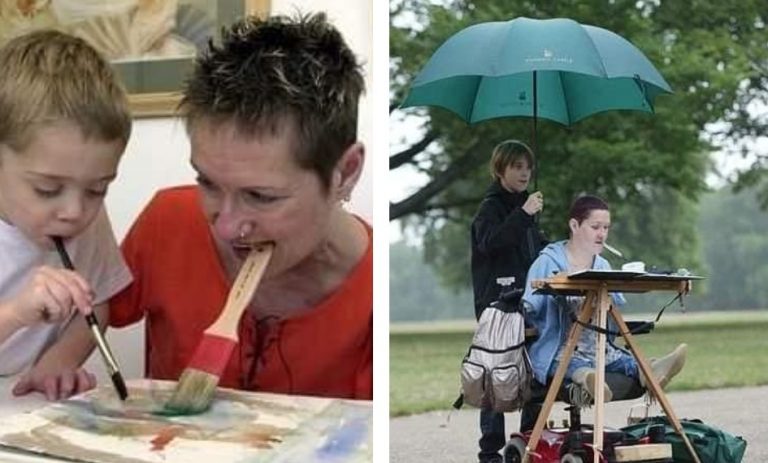
Alison Lapper was born into a world of limitations and low expectations, but she transformed her life into a work of art and a testament to her tremendous determination. Her story reminds us of one fundamental truth: a person’s value does not depend on the shape of their body, but on the strength, dignity and love with which they choose to live and influence the world.