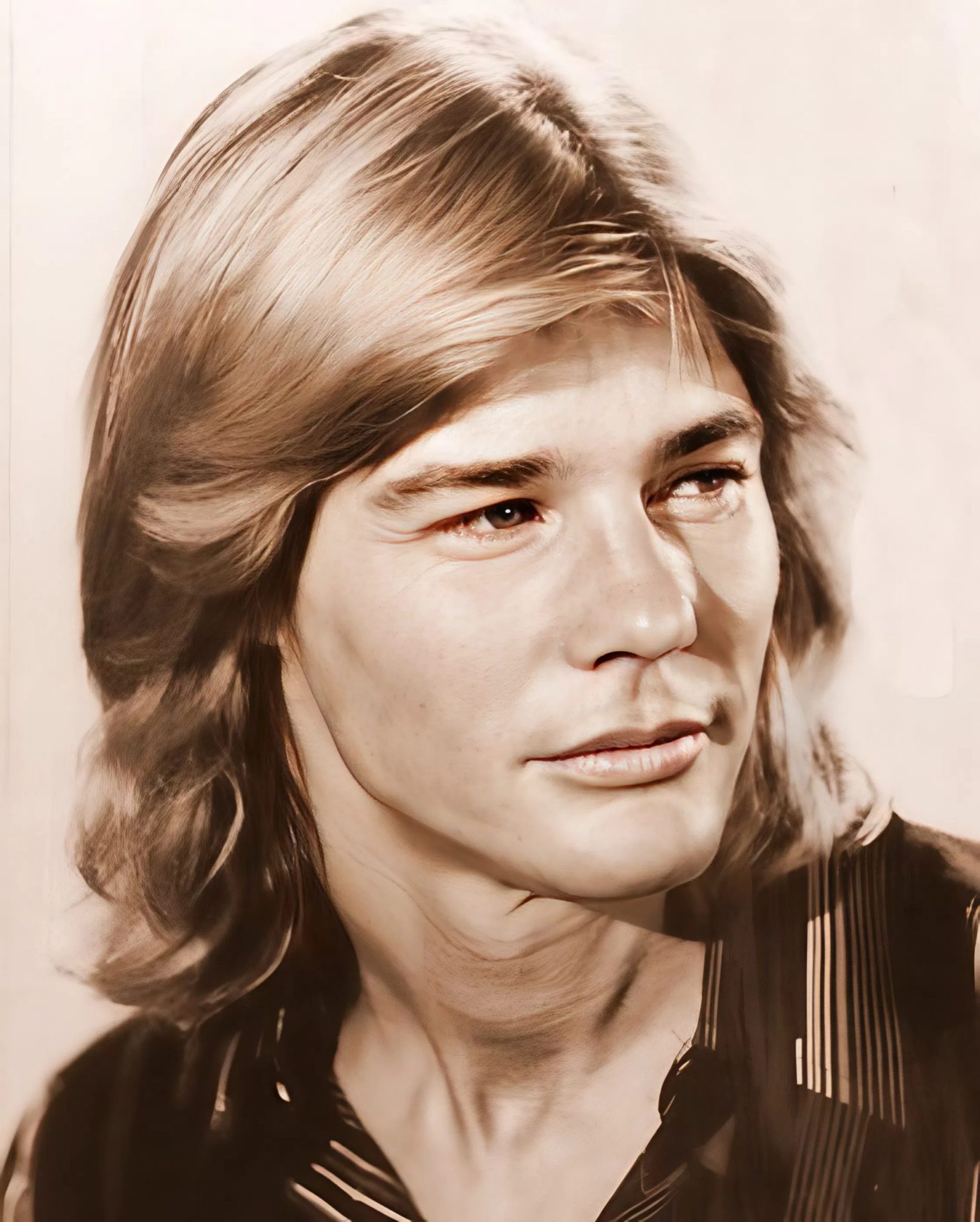
In the velvety-asphalt history of New Hollywood, few icons burn with the searing, tragic intensity of Jan-Michael Vincent. Long before the dizzying heights of fame engulfed him, he was a boy from a rough family tree who abandoned the university registration queue to seek freedom in Mexico. His entry into acting was not planned — it was a striking twist of fate, fuelled by a bright, rebellious gaze and a terrifying lack of trust in authority, reflecting the restless spirit of the late 1960s. He became the focal point of an era that craved his raw, unpolished energy — a rebel who didn’t have to pretend to be a character because he lived the part, carrying the oceanic spray and asphalt harshness of a man who belonged to the horizon, not the studio.
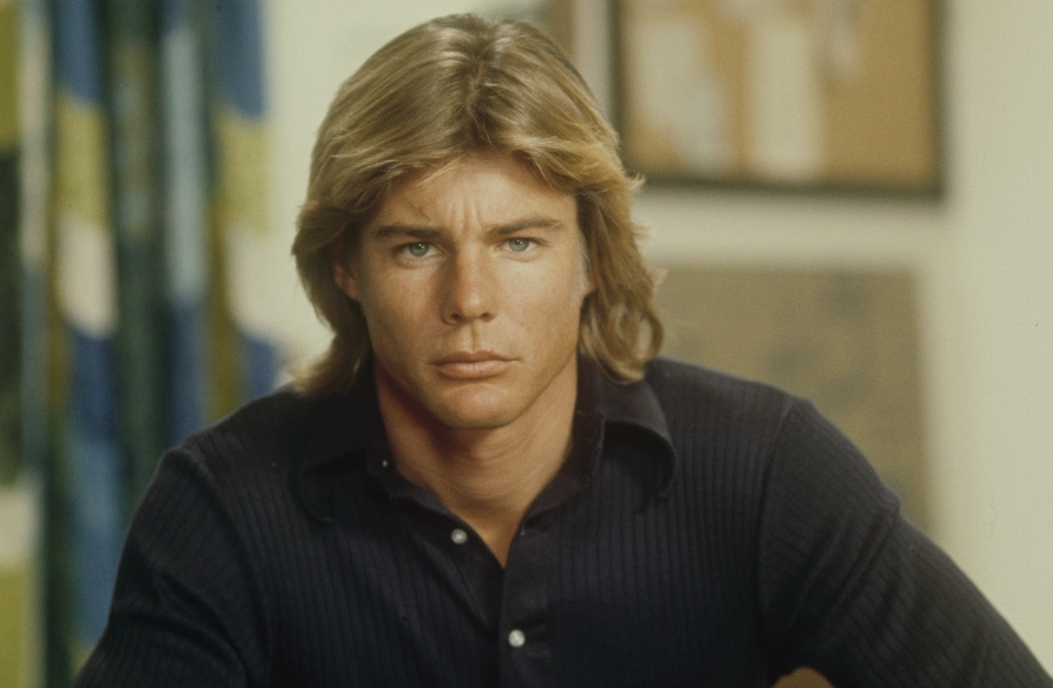
By the time he starred in Tribes and the ethereal Sandcastles, his extraordinary physical presence made him an actor head and shoulders above the competition. However, it was his luxurious role in Big Wednesday as Matt Johnson — a sultry surfer standing on the cusp of the end of an era — that cemented him as the heart and soul of a generation. When he starred in Airwolf, he reached a triumphant peak, earning £120,000 per episode. In this golden period, he was unrecognisable as anyone other than a titan; he was the highest-paid man on television, a golden boy with a physique seemingly sculpted from the cliffs of Malibu and a pilot’s seat that offered a view far above the overwhelming pressures of the earth.
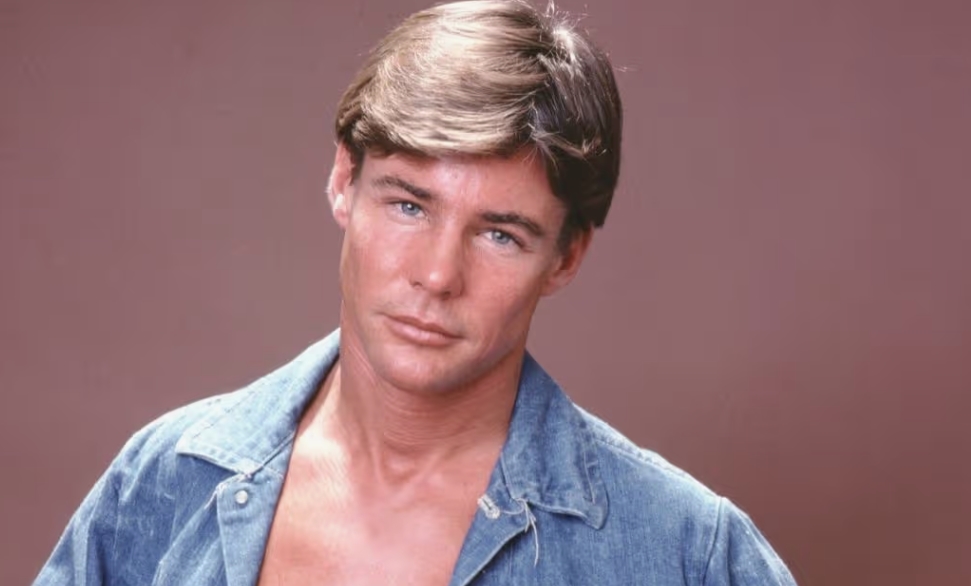
However, his high-flying career was overshadowed by a harsh internal battlefield. His booming career, which once seemed unstoppable, began to melt away under the weight of addiction and terrifying legal problems. Bar fights and public intoxication became the new norm, and the striking charisma that defined his peak was increasingly overshadowed by destructive antics. Even when he took on patient roles in cult films like Ice Cream Man, the cinematic ghosts of his former glory haunted the screen. The industry that once hailed him as the successor to the greats beyond all competition now watched with a mixture of admiration and heartbreak as his personal orbit spiralled out of his world.
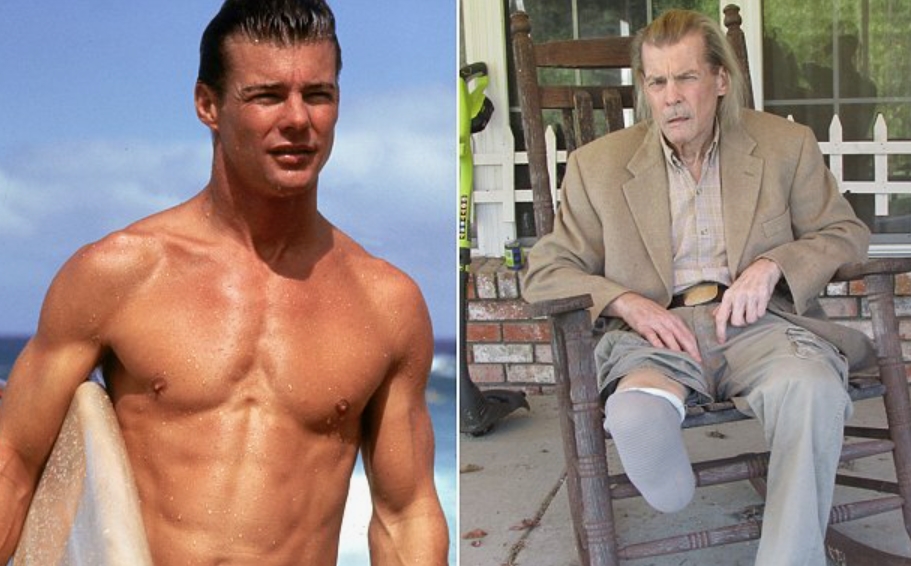
The physical toll of the 1990s and beyond was extraordinary in its brutality. Car accidents, broken vertebrae, a hoarse voice after emergency intubation — all of this transformed the luxury athlete into a shadow of his former self. By 2012, he had reached a terrifying tipping point when his right leg was amputated due to infection — a reality that would have broken a weaker man. Yet in recent years in Asheville, he became a true warrior, patiently overcoming a new, harsh daily reality with a prosthesis and searing memories of the days when he was the world’s best athletic man. It was a study in fragile golden time — the physical regaining of dignity in a body that had betrayed the spirit.
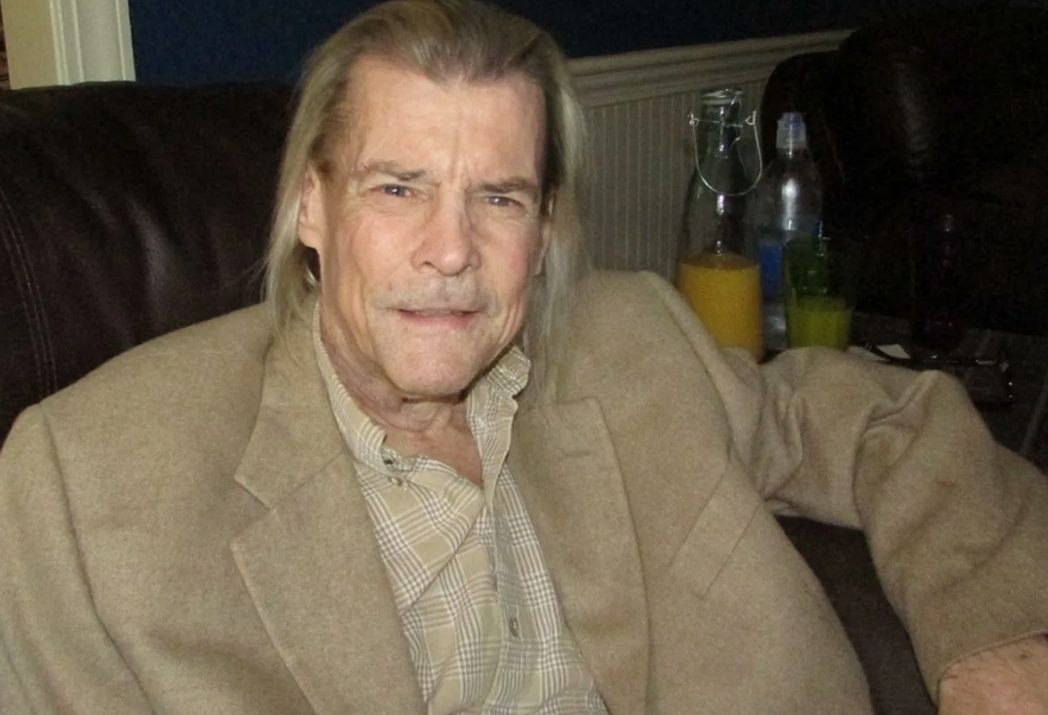
When the quiet echo of his passing reached the public in March 2019, it marked a striking end to a life full of extreme highs and terrifying lows. Looking back from the perspective of 2026, Jan-Michael Vincent remains a central and triumphant part of television history, a figure whose charm was matched only by the striking resilience he showed in his final act. He is more than a cautionary tale; he is a cinematic spirit who reminds us of the searing intensity of fame and the striking cost of being the world’s golden boy. His legacy lives on as a triumphant testament to a man who, despite a hard landing, once flew higher than anyone else in the sky.