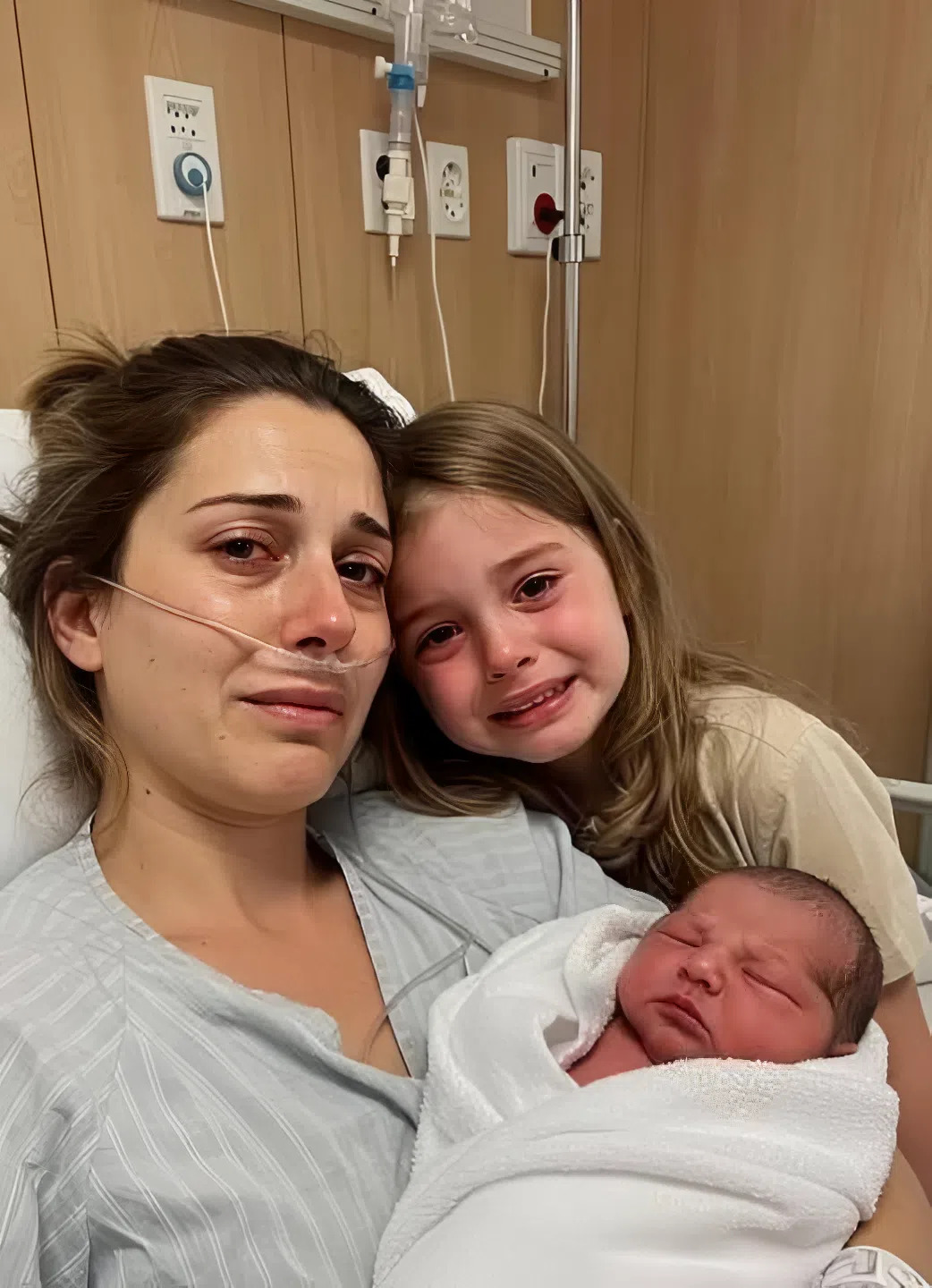
The day was meant to be filled with happiness. A new baby, a new beginning, and a family buzzing with anticipation, waiting for that magical first cry. Instead, it unfolded into the kind of nightmare families pray never becomes theirs—an emergency premature delivery, a medical crisis spiraling out of control, and a young mother suddenly fighting for her life.
It began in the early morning hours, when the expectant mother went into labor far earlier than anyone anticipated. She still had weeks to go, but the contractions came fast and relentlessly. By the time she made it to the hospital, the medical staff had already shifted into crisis mode. Nurses rushed her into a delivery room. Monitors blared urgently. Doctors moved with that quiet, focused intensity that always signals serious trouble.
The baby arrived quickly—much too quickly. A tiny, delicate infant, small enough to cup in two hands, let out a thin, trembling cry. It wasn’t strong, but it was sound. For a brief moment, relief washed through the room as neonatal specialists stepped in, placing the fragile newborn into an incubator. For one breath, it seemed like the danger might be easing.
But for the mother, the real battle had only begun.
Almost immediately after giving birth, her condition collapsed. What appeared to be exhaustion rapidly escalated into a life-threatening situation. Complications from the premature labor began piling up one after another, overwhelming even experienced physicians. A crowd of medical staff surrounded her, checking readings, calling for more help, adjusting equipment, ordering tests. The room’s energy shifted from hopeful to dire within minutes.
When the doctor finally emerged to speak with the waiting family, the expression alone delivered the news before the words ever came. The mother was critical. They were doing everything possible, but her condition was unstable and deteriorating fast.
The family was devastated.
Loved ones hurried to her bedside—her partner, her parents, siblings, relatives who had been counting down to the joyous moment of the baby’s arrival. Instead of a celebration, they were met with machines, tubes, blinking monitors, and a doctor quietly warning them to prepare for the possibility that she might not make it through the night.
She was young, vibrant, the kind of woman whose smile could brighten a room. She had been so excited to become a mother—she had chosen the baby’s name, decorated the nursery, folded tiny clothes with loving anticipation. This was never supposed to happen. She had just brought new life into the world, and now her own was slipping away.
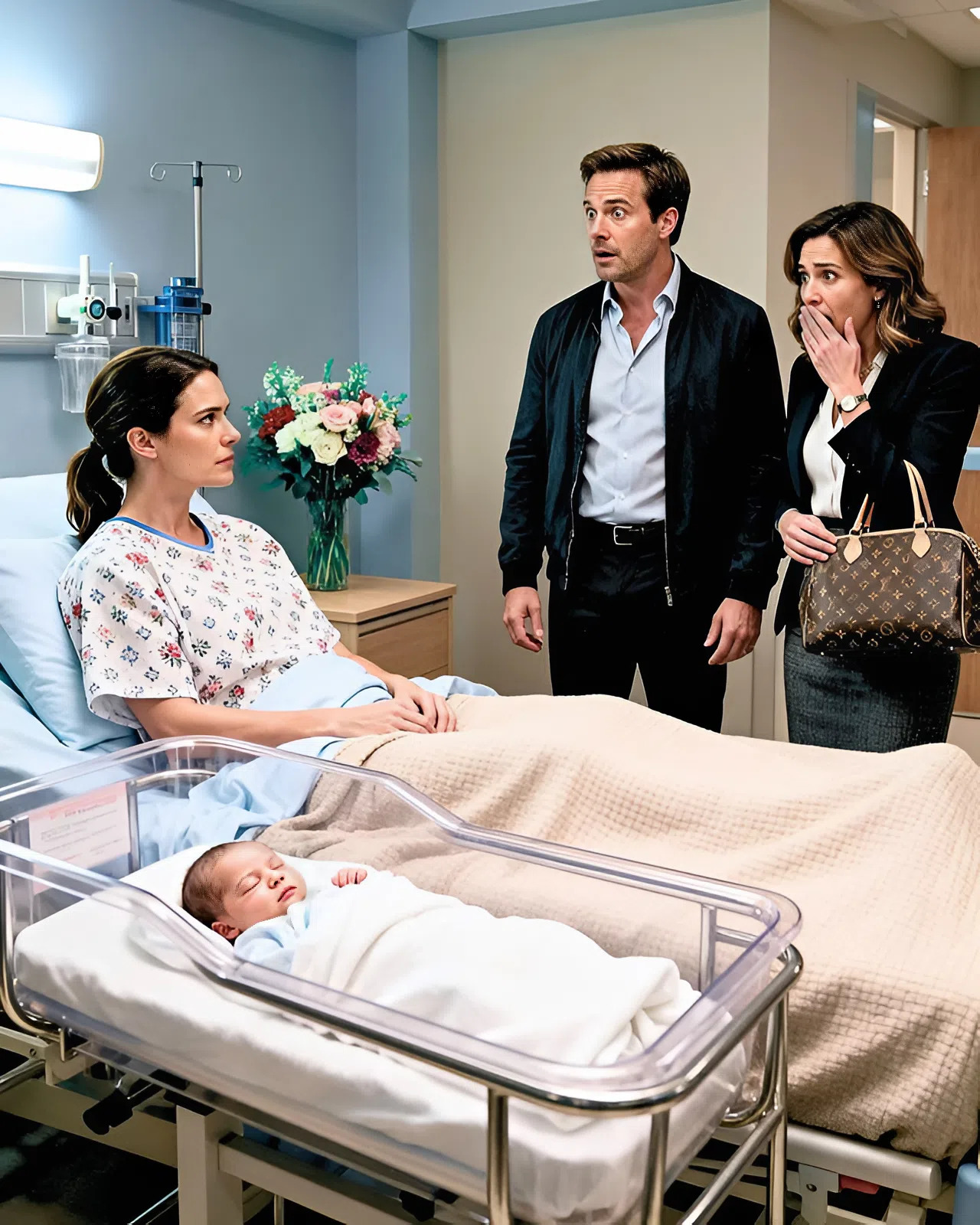
Meanwhile, the newborn—so impossibly small—was facing a battle of their own. Premature babies fight uphill from their very first moments. In the NICU, specialists worked with precision: connecting monitors, regulating temperature, watching breathing patterns, adjusting oxygen. Every second mattered. The infant needed constant attention, measured feeding, and continuous intervention just to stay alive.
The contrast—mother fading, baby clinging to life—was almost unbearable for the family.
Relatives gathered in the hallway, some praying softly, others staring blankly at the floor, everyone suspended between hope and fear. One whispered, “She was so excited. She didn’t deserve this.” No one disagreed. No one could find words.
News of the emergency spread beyond the hospital walls. Friends messaged in disbelief. Neighbors offered help. Social media filled with prayers and messages begging for a miracle. Even people barely connected to the family felt the gravity of the situation—a young mother in crisis, a premature baby fighting to survive, a family bracing for unimaginable loss.
Inside the hospital, the struggle continued. The mother drifted in and out of consciousness, her body worn down from the trauma of early labor. Doctors told the family the next few hours were crucial. Everything depended on how her body responded. No promises—only hope.
The newborn remained under intense monitoring, their tiny chest rising and falling with fragile determination. NICU nurses checked vitals constantly, adjusting tubes, soothing gently, speaking softly even though the baby couldn’t understand. They had watched miracles happen before—but they had seen heartbreak too. With a birth this early, nothing was certain.
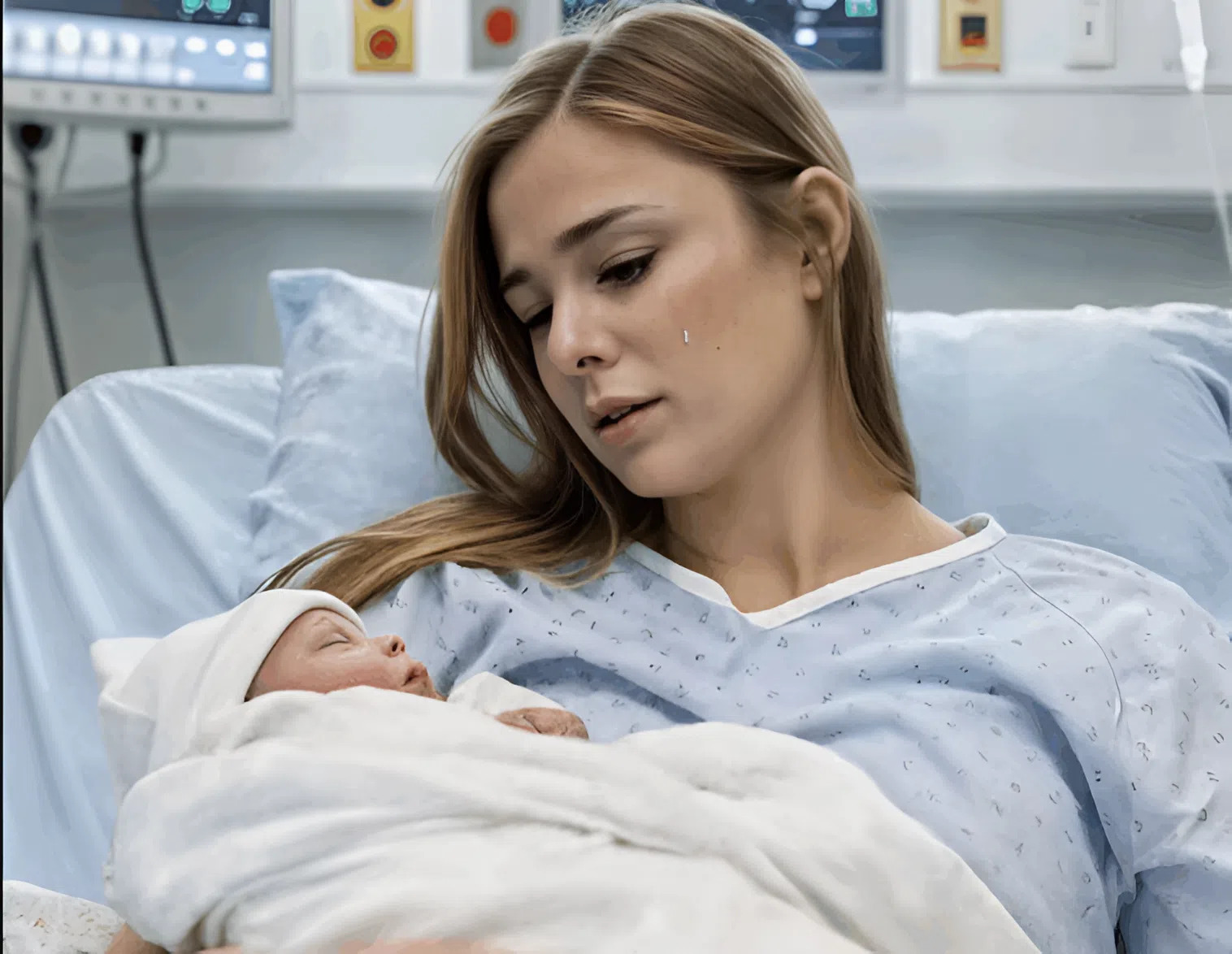
The emotional weight was suffocating. Family members kept returning to the mother’s bedside, holding her hand, whispering words of encouragement, telling her she needed to fight for the baby waiting for her. They spoke as though she could hear every word, because sometimes the voice of someone you love is the only thing strong enough to pull you back.
Doctors worked through the day, modifying treatments, consulting specialists, running tests—doing everything within modern medicine to keep her alive. They promised the family one thing: they would not stop trying.
The tragedy shook the community more deeply than anyone expected. Stories like this tap directly into people’s humanity—a young mother in critical condition, a newborn in the NICU, a heartbroken family refusing to give up. Even those who didn’t personally know them felt compelled to help, even if all they could offer was a prayer.
Everything can change in an instant. One moment, a family is preparing to welcome a new life; the next, they’re fighting to save one.
As night fell, the hospital quieted, but the machines continued their steady, relentless beeping. The baby’s tiny heartbeat glimmered on the monitor. The mother’s vitals remained fragile. And the family stayed—refusing to leave her side, refusing to lose hope.
For now, all they can do is wait—wait for strength, for answers, for a miracle powerful enough to save them both. They cling to each other, knowing joy and tragedy often sit just a heartbeat apart.
No matter what happens next, the family has been forever changed. And in the NICU, a newborn—small but astonishingly strong—is still fighting, a reminder that even the tiniest life can carry immense courage.
The family prays the mother will find that same courage. They are not ready to lose her—not tonight, not like this. They hold onto every moment, hoping for the miracle that could bring both mother and child safely through the darkness.