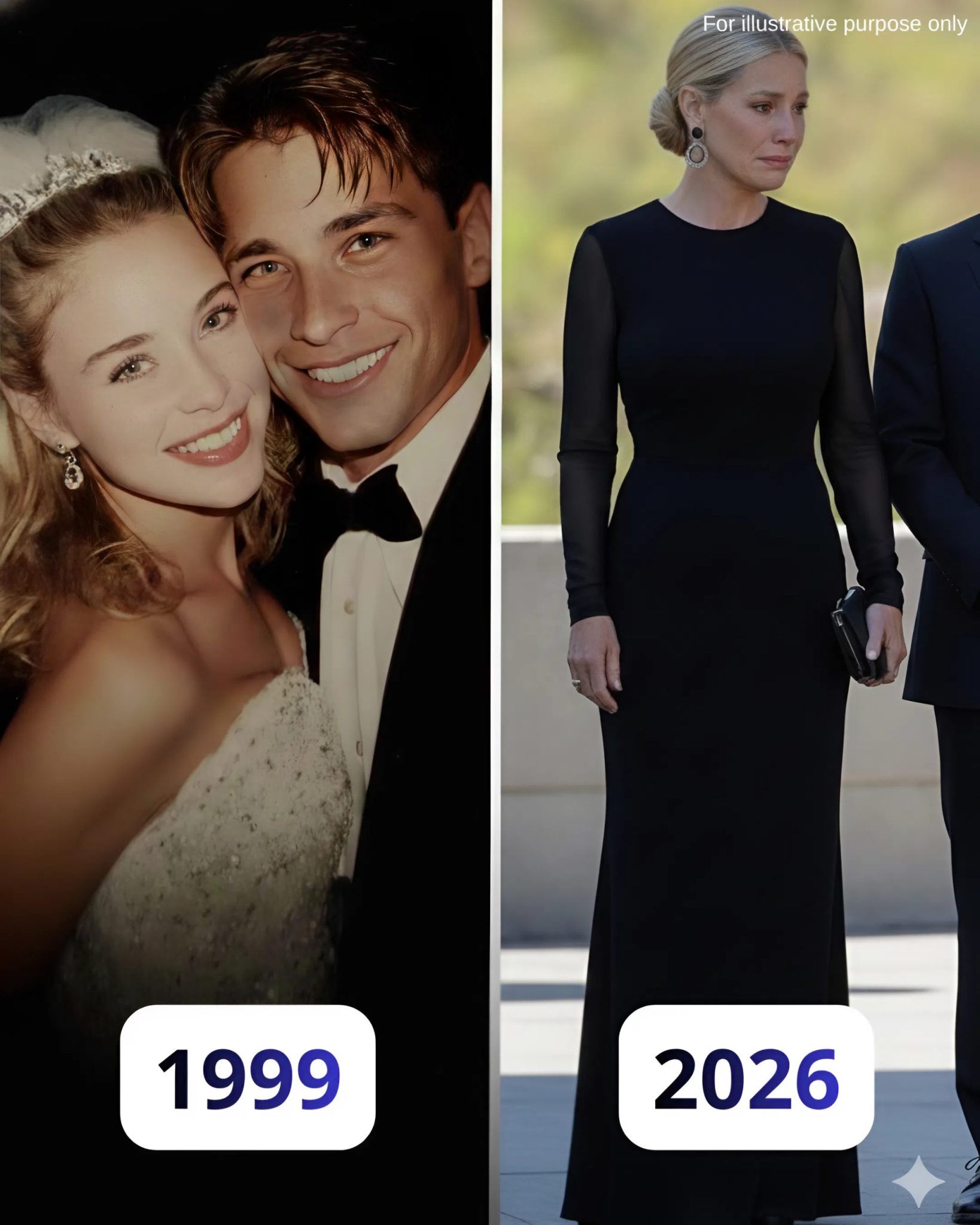
When my husband passed away after 27 years together, I believed grief was the deepest pain I would ever know. Then his attorney informed me that our marriage had never legally existed—and that I was entitled to nothing we had built. I was on the verge of losing everything, until I uncovered the stunning reason he had kept this secret.
I’m 53 years old, and I thought I had already survived life’s worst heartbreaks. But nothing could have prepared me for the day Michael died.
It was a rainy Tuesday afternoon when it happened—a car accident. One call from a police officer I had never met, and my entire life collapsed. My husband, my partner for 27 years, the father of my three children, was gone. Just like that. No warning. No goodbye. No final “I love you.”
The funeral passed in a haze of flowers, tears, and whispered condolences from faces I could barely recognize. I held tightly to our three children, believing that if I didn’t let go, somehow we would all make it through.
Mia, my 18-year-old daughter, stood beside me with swollen eyes, forcing herself to stay strong. Ben, 16, kept his jaw locked, battling his tears.
They were unraveling—and so was I.
The weeks after Michael’s death felt like walking through dense fog. I moved through each day without truly being there. I cooked meals I couldn’t eat, answered questions I didn’t register, and lay awake at night in our bed, reaching for someone who was no longer there.
Then came the appointment with the lawyer.
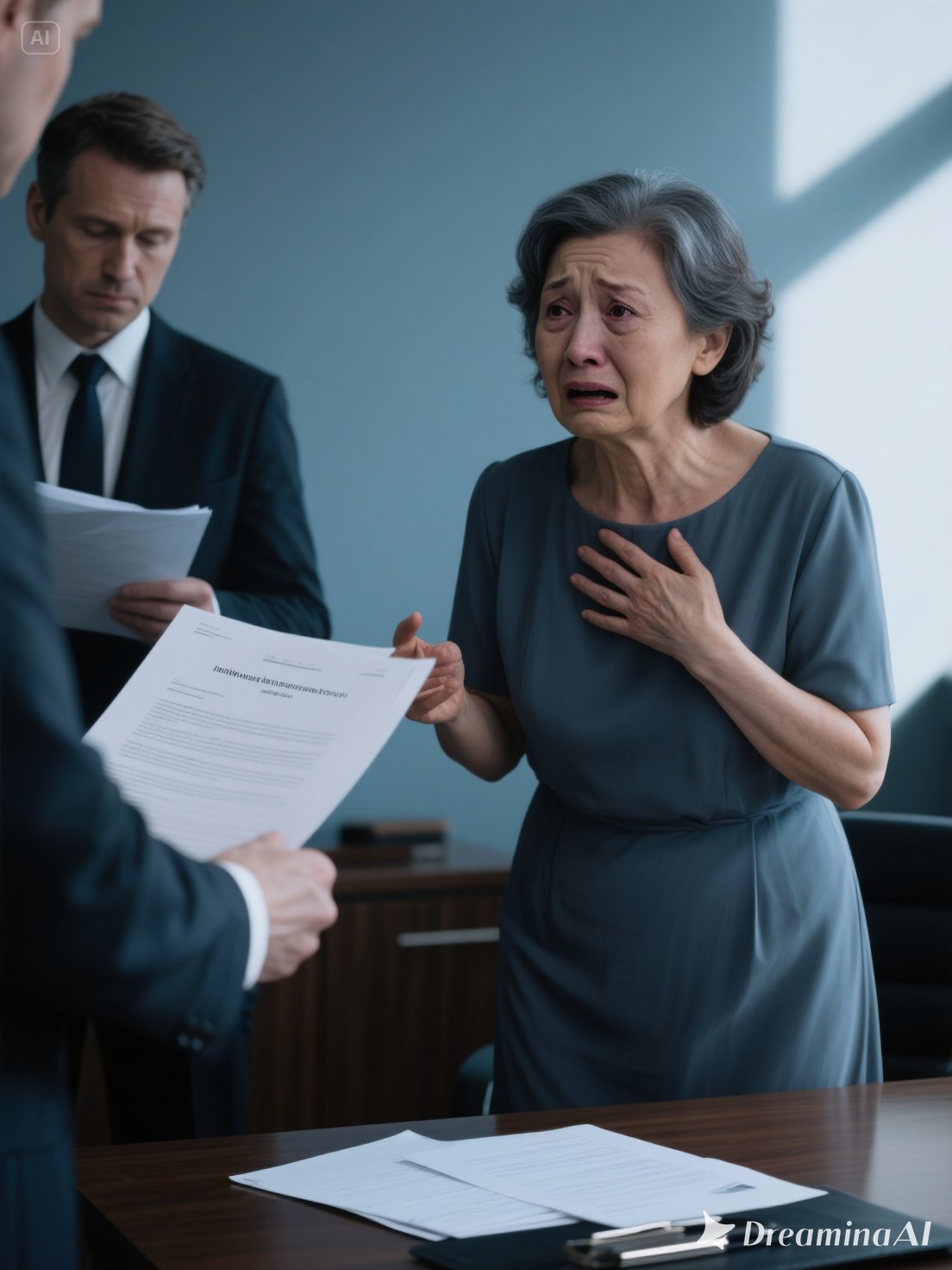
Three weeks after the funeral, I sat in his office, surrounded by dark wood walls and shelves of leather-bound books. He handed me a stack of documents, and I flipped through them with shaking hands. My chest tightened as my eyes landed on a single line, buried in cold legal language.
No record of marriage found.
I blinked, convinced it had to be an error. A filing mistake. Something easily corrected. Twenty-seven years together—birthdays, anniversaries, vacations, quiet Sundays, arguments, forgiveness, laughter, love. How could it not exist in the eyes of the law?
“I’m sorry, Mrs…” the lawyer began, then stopped himself. “I mean, Ms. Patricia. There’s no simple way to say this.”
“What are you talking about?” I asked. “We got married in 1997. I have pictures. I still have my dress in the closet.”
His face tightened. “I’m sorry, ma’am, but legally, you were never married. We’ve searched all county and state records. The marriage certificate was never filed. Without that—or a will naming you as beneficiary—you have NO CLAIM TO HIS ESTATE.”
The room spun. I clutched the chair’s arms to keep myself upright.
“That’s impossible,” I said. “We had a ceremony. Witnesses. We were together for 27 years! How can you say we weren’t married?”
“I understand,” he said softly. “But without legal documentation, the law recognizes you as cohabitating partners, not spouses. And since your husband died intestate—without a will—his estate goes to his next of kin.”
“I am his next of kin,” I pleaded. “I’m his wife. I’m the mother of his children.”
He shook his head. “His parents have passed, but he has a brother in Oregon and several cousins. They are his legal heirs. You have two weeks to vacate the house. It will be liquidated and distributed among them.”
I felt my legs weaken, even though I was already seated.
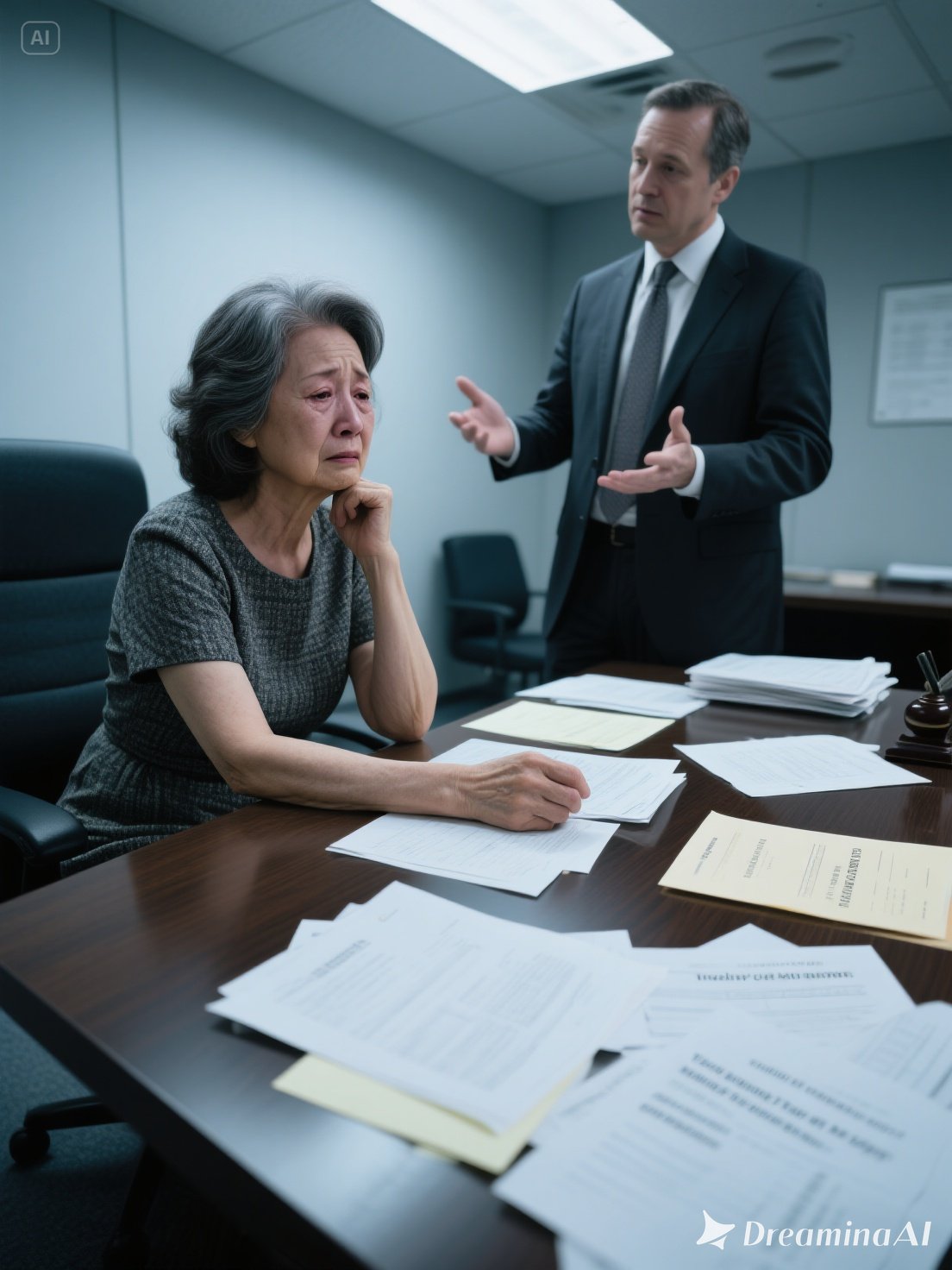
The home we had renovated room by room over decades. The savings we carefully set aside for the kids’ education. Even the car in the driveway, titled in his name alone. All of it—gone.
The weeks that followed were unbearable. My grief became physical, a constant pressure on my chest. My health, already fragile after years of stress and sleepless nights, deteriorated fast. I lost 15 pounds in three weeks. My hands trembled constantly. Some mornings, I could barely stand.
The children were unraveling too. Mia and Ben were supposed to be excited about college applications. Instead, they talked about staying home, attending community college, giving up their dreams to help me. The guilt of that hurt more than anything else.
Every day, I forced myself to function. I went to my part-time library job. Cooked meals I couldn’t taste. Cleaned a house we were about to lose. Comforted my children when I had no comfort to offer. Answered questions I didn’t know how to answer.
How could Michael have done this to us? Had he forgotten the paperwork? Had he not cared enough to make it legal?
Then, one week before we were supposed to leave the house, there was a knock at the door.
I opened it to a woman in her 40s holding a leather folder. Her badge read county clerk.
“Ms. Patricia?” she said kindly. “I’m Sarah from the county clerk’s office. We reviewed Michael’s records after his death, and I think you should see this. May I come in?”
My heart pounded as I let her inside.