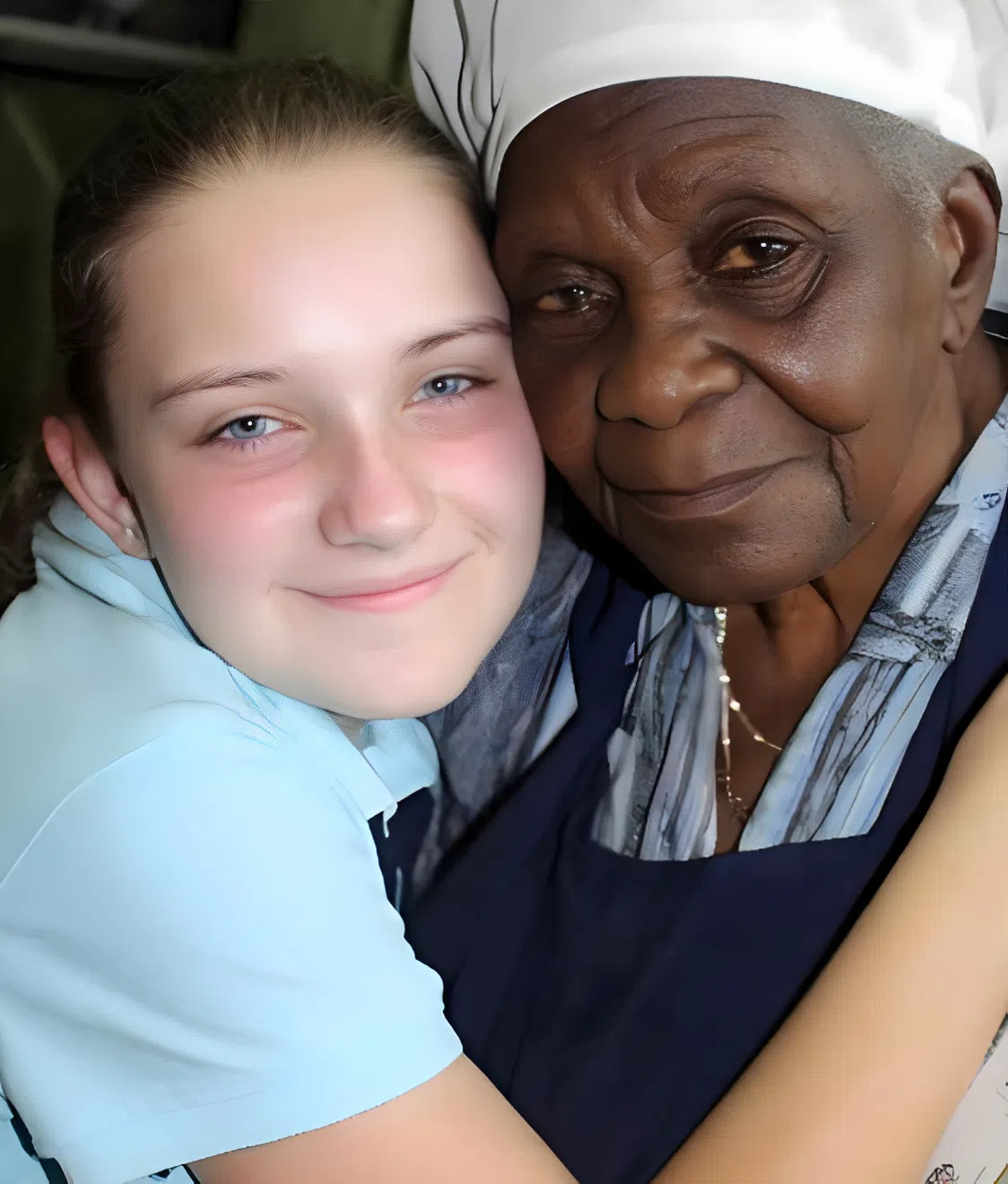
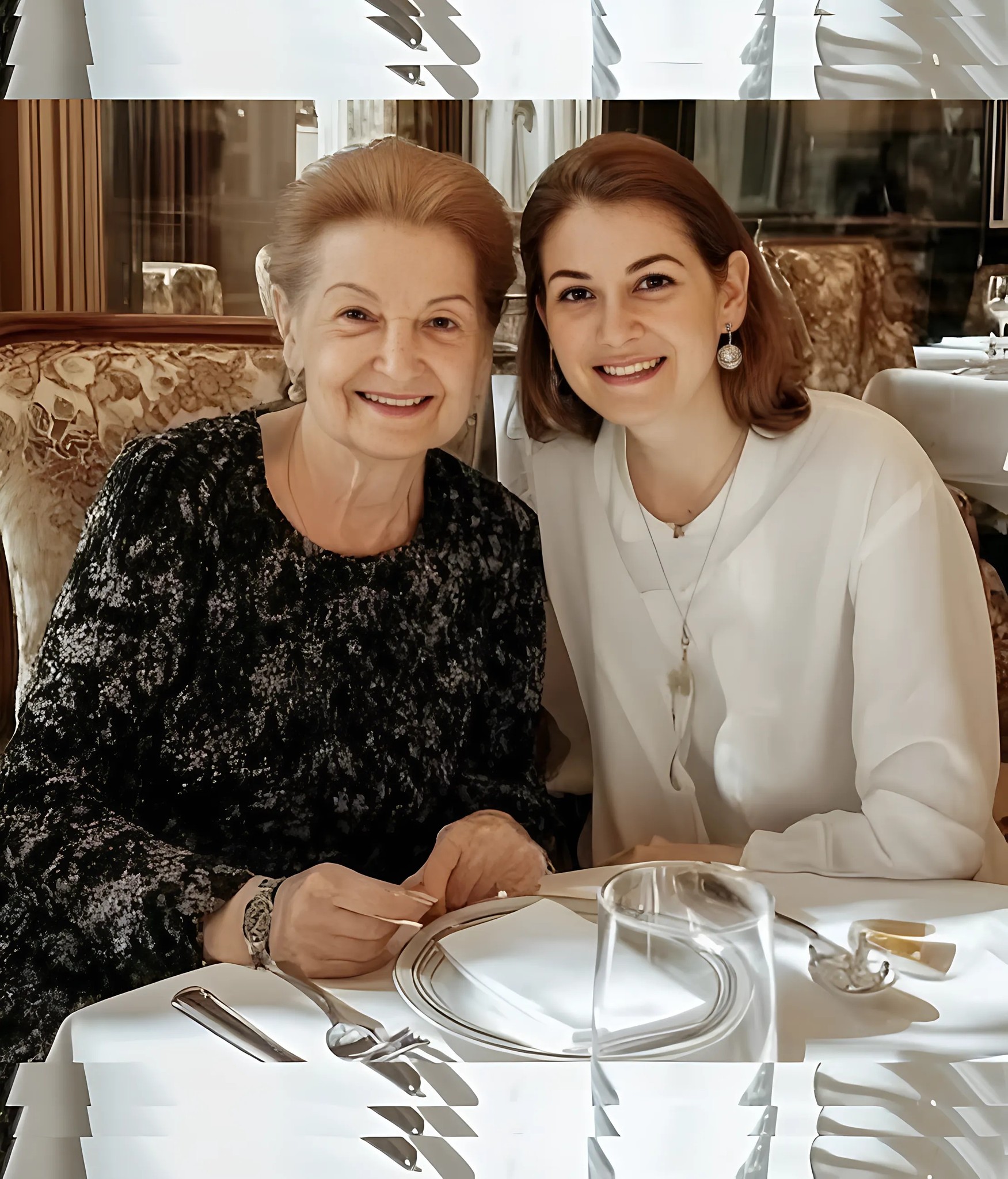
My name is Megan, and I am 18 years old. When I was a child, I lost my parents, and my whole world revolved around one person — my grandmother. She didn’t just ‘take custody’ of me. She raised me, taught me to hold on when I was scared, and to believe in myself when it seemed there was nothing left to believe in.
We lived very modestly. Sometimes money was tight, and we had to cut back on our plans to the bare essentials. But she was there — and honestly, that was enough to keep me from feeling completely alone.
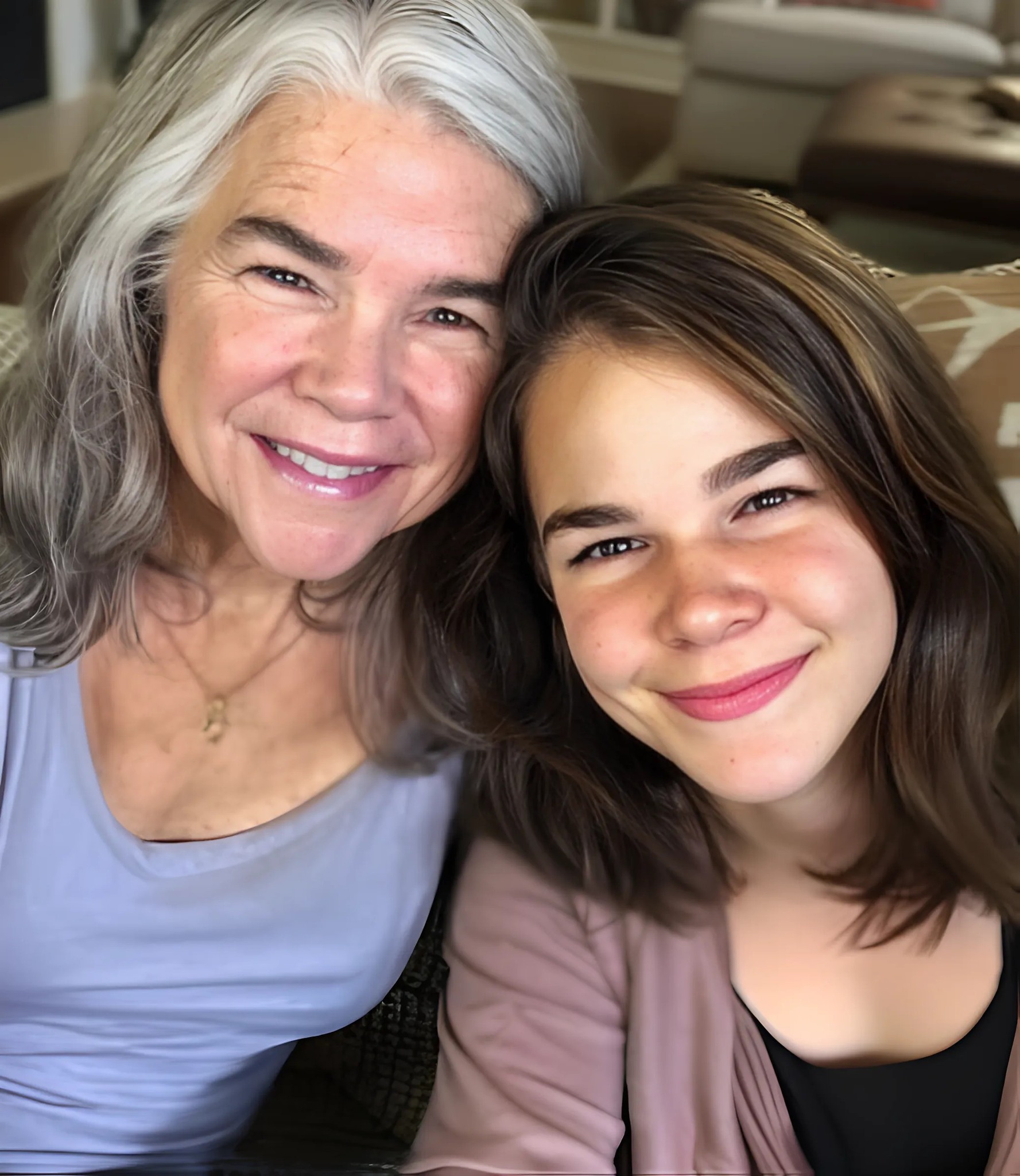
School, where kindness was taken for weakness
The problem was elsewhere: at school, people know how to be cruel without raising their voices. My classmates did not see my grandmother as a person who worked hard for children every day, but as an easy target for ridicule.
They called her work apron ‘old,’ her warm ‘How are you, sunshine?’ ‘clingy,’ and they pronounced the word ‘canteen worker’ as if it were a label to be ashamed of. The most unpleasant thing was that they did it carefully: loud enough for me to hear, but so that the teachers didn’t have time to react.
Whispers in the queue for lunch.
Laughter at the sight of her smile.
Sidelong glances when she called someone ‘dear.’
Feigned indifference, behind which lay ordinary rudeness.
She did not allow the words of strangers to spoil her heart.
The most amazing thing was that Grandma did not change. Not even for a day. She smiled just as sincerely. She continued to ask if everyone had eaten properly that day. If she saw a sad teenager, she would discreetly give them a second helping or say a few simple words that made them feel better.
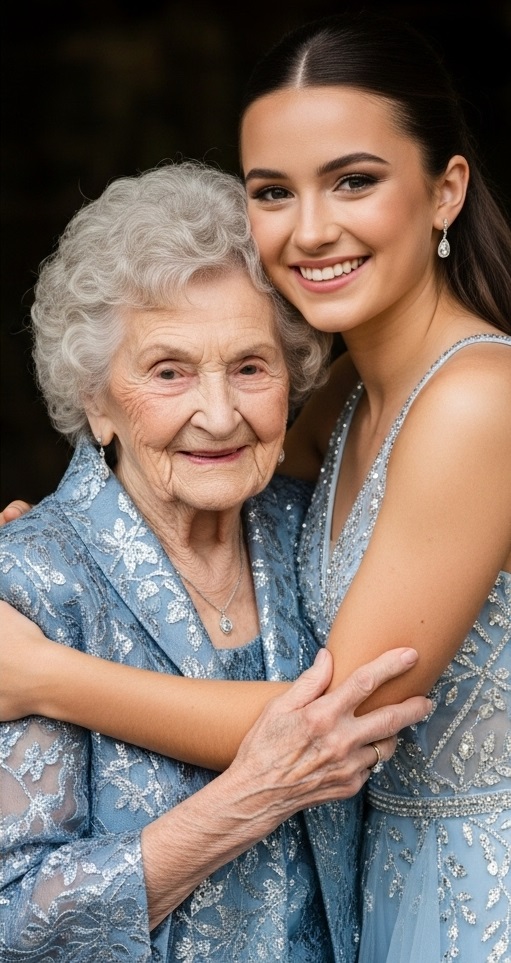
Even to those who bullied her, she remained kind. Not because she didn’t understand. But because she chose not to respond in kind.
Sometimes strength is not loud words, but the habit of remaining human every day, even when you are being tested for strength.
I almost never told her how painful it was for me to hear those taunts. It seemed that she already had enough to worry about: work, home, bills, my education. I didn’t want to add my school experiences to her list.
A loss that happened too close to the end
A few days before graduation, her heart gave out. It happened suddenly, and the first thing that came to mind was not wise thoughts or beautiful words, but a dull question: ‘If we had more money… would it have been different?’
People said, ‘Don’t go to graduation, you have more important things to worry about right now.’ And I understood them. But I also knew something else: my grandmother had been waiting for this day for years. She imagined me walking onto the stage, receiving my diploma and taking my first steps into adulthood. It was her little dream, pieced together from thousands of shifts at work.
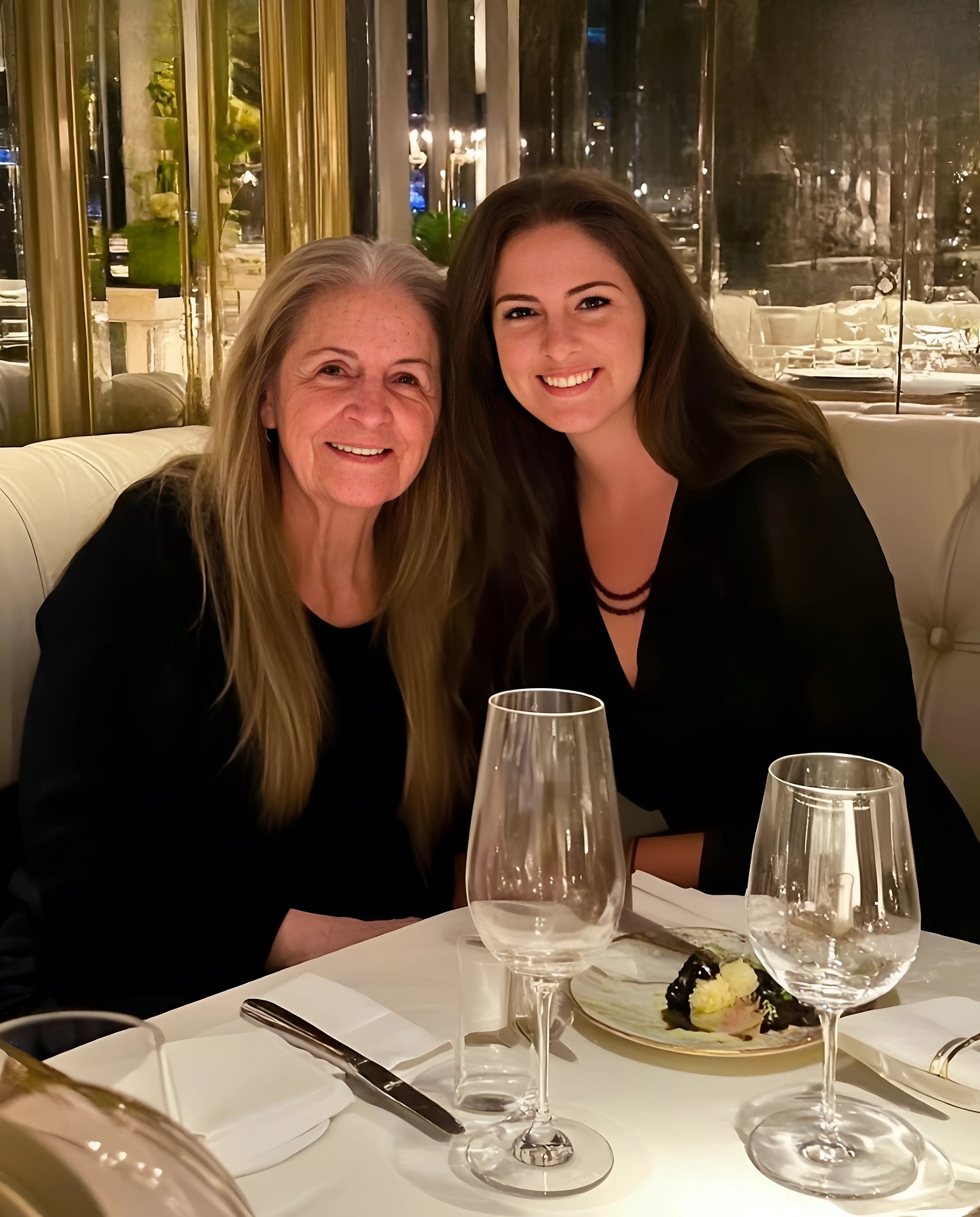
She saved up every penny so that I would have everything I needed.
She got up early so that she could get to work and back home on time.
She believed in my graduation more than I did myself.
She wanted me to be confident in my path.
One sentence, after which the hall fell silent.
I came. I held on, even though I was trembling inside. And when it was my turn to speak, I saw the same faces that had been laughing at me for years. I looked at them and said the words I had been carrying inside me for so long:
‘My grandmother fed you thousands of school lunches — and today I am serving you the truth that you were so unwilling to “try”.’
It wasn’t about revenge. It wasn’t about humiliation. It was about a line I had finally drawn. It was about respect for a person who did her job honestly and with warmth. It was a reminder that behind every ‘uniform,’ ‘apron,’ and job title there is a living heart.
What I realised after all this
Sometimes society teaches teenagers to laugh at labour, as if it were ‘unprestigious.’ But it is precisely these people who sustain our daily lives — feeding, cleaning, healing, teaching, repairing, helping. My grandmother was not a ‘lunch lady,’ but a person who chose to care every day.
Now I live with the thought that the most important legacy is not money or things. The most important thing is example. And her example resonates with me every time I want to look down or remain silent. I couldn’t save her, but I can preserve what she taught me: dignity, gentleness, and the courage to speak the truth.
And if I had to sum it up in one sentence, I would say this: kindness is not a reason to be mocked, but a reason to stop and become better.