Two years after losing my wife and six-year-old son in a car accident, I was barely functioning. Then one night, completely by chance, I came across a Facebook post about four siblings who were about to be separated by the system. From that moment on, everything changed.
My name is Michael Ross, I am 40 years old and I am American. Two years ago, my life was torn apart in a hospital corridor.
The doctor simply said, “I’m very sorry.” And I knew.
After the funeral, the house felt like a stranger’s.
My wife, Lauren, and our six-year-old son, Caleb, were killed by a drunk driver. The doctor said it happened quickly. As if that made it any easier.
Lauren’s mug was still by the coffee maker. Caleb’s shoes were by the door. His drawings were on the refrigerator. I avoided the bedroom, sleeping on the couch instead, with the TV on all night.
I went to work, came home, ordered something, and stared into nothingness. People said, “You’re so strong.” I wasn’t strong. I was just still breathing.
About a year after the accident, I was sitting on that same couch at two in the morning, scrolling through Facebook. Insignificant posts, politics, dogs, vacation photos. Then a local news site shared something, and my hand stopped.
“Four siblings urgently need a home.”
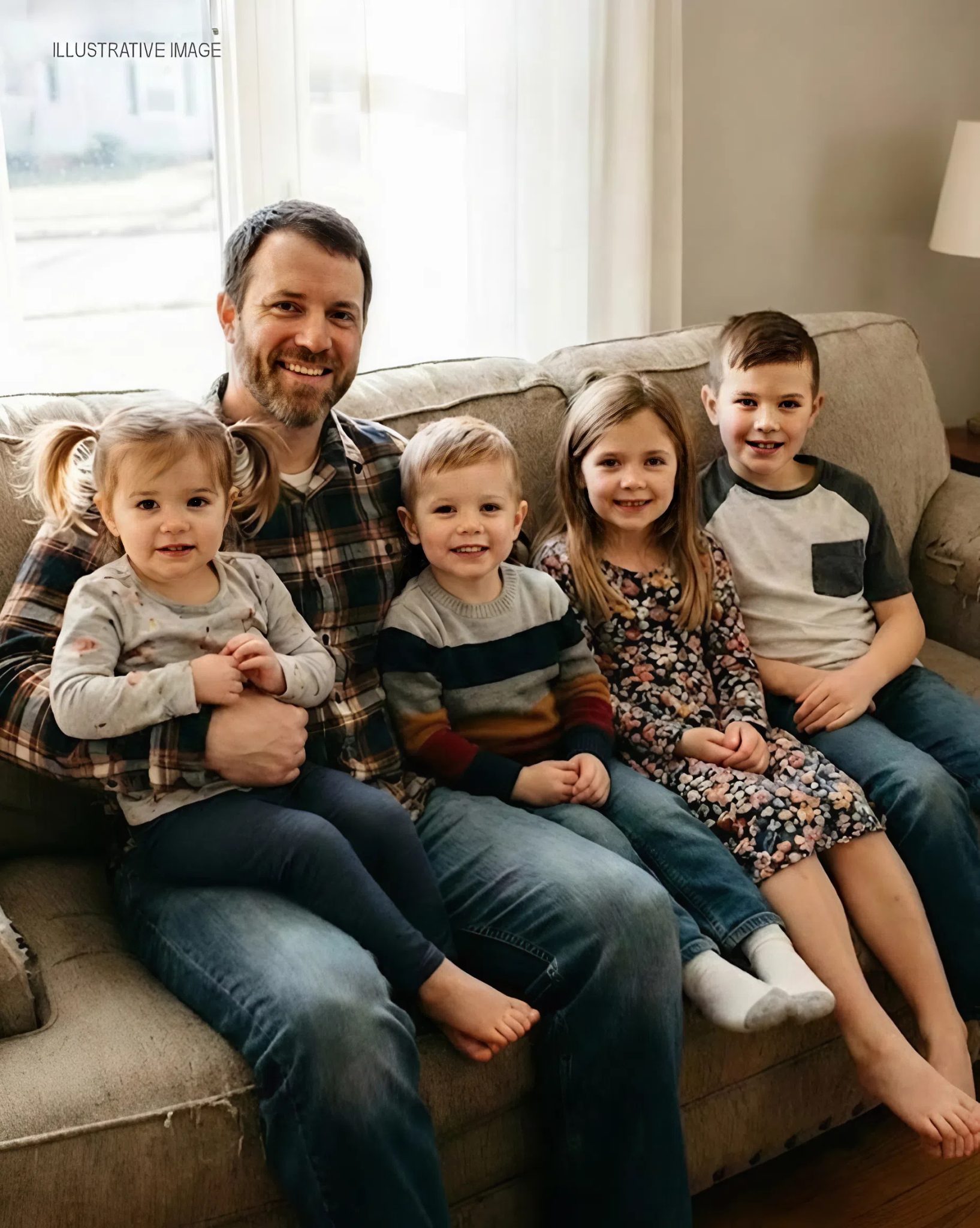
The picture showed four children sitting huddled together on a bench. The text contained a sentence that made my stomach churn:

“If they don’t find a family, they will probably be placed separately.”
I read it over and over again. The children are 3, 5, 7, and 9 years old. Their parents are dead. Their relatives cannot take all four of them in. They are in temporary accommodation. If no one comes forward, they will be separated.
I zoomed in on the photo. The oldest boy had his arm around his sister, as if to hold her. The younger boy looked as if he had just moved when the picture was taken. The youngest girl was clutching a teddy bear and hiding behind her brother.
They didn’t look like they were hopeful. They looked like they were preparing for bad news.
I looked at the comments.
“Heartbreaking.” “Shared.” “I’m praying for them.”
But no one wrote, “We’ll take them in.”
I put down my phone. Then I picked it up again.
I knew what it was like to leave a hospital alone. These children had already lost their parents. And now they were about to lose each other.
I hardly slept that night. Every time I closed my eyes, I saw four children sitting in an office, huddled together, waiting to see which one would be taken away first.

In the morning, the post was still open. There was a phone number at the bottom. Before I could change my mind, I dialed it.
“Child Protective Services, this is Karen.”
“Hello… Michael Ross. I saw the post about the four siblings. Are you still… looking for a home for them?”
There was a brief silence on the other end of the line.
“Yes, we are.”
“Could I come in to talk about them?”
I could hear from his voice that he wasn’t used to this.
“Sure. This afternoon?”
On the way, I tried to calm myself down: you’re just asking questions. You’re just asking for information. But inside, I knew that wasn’t true.
Karen put a file in front of me in her office.
“Good kids,” she said. “They’ve been through a lot.”
She opened the folder.
“Owen is nine. Tessa is seven. Cole is five. Ruby is three.”
I repeated the names to myself so I wouldn’t forget them.
“Their parents died in a car accident,” Karen continued. “There are no relatives who can take all four of them. They’re in temporary foster care right now.”
I asked what would happen if no one came forward.
Karen exhaled slowly.
“Then we’ll place them separately. Most families can’t take in four children at once.”
“And that’s okay?” I blurted out.
“It’s not okay,” she said. “But that’s the system.”
I looked at the file, and something suddenly became very clear to me.
“I’ll take all four,” I said.
Karen looked up.
“All four?”
“Yes. I know there are procedures, checks, paperwork. I’m not asking for them to be brought here tomorrow. But if they’re being separated just because no one wants four children, then I want them. All together.”
Karen looked at me for a long time.
“Why?”
“Because they’ve already lost their parents. They can’t lose each other too.”
From then on, everything took months. Suitability tests, training, interviews, paperwork. A therapist once asked me,
“How are you coping with your grief?”
“Badly,” I said. “But I’m still here.”
I first met them in a visiting room. Worn chairs, neon lights, too much silence. All four of them sat on a sofa, their shoulders and knees touching.
I sat down opposite them.
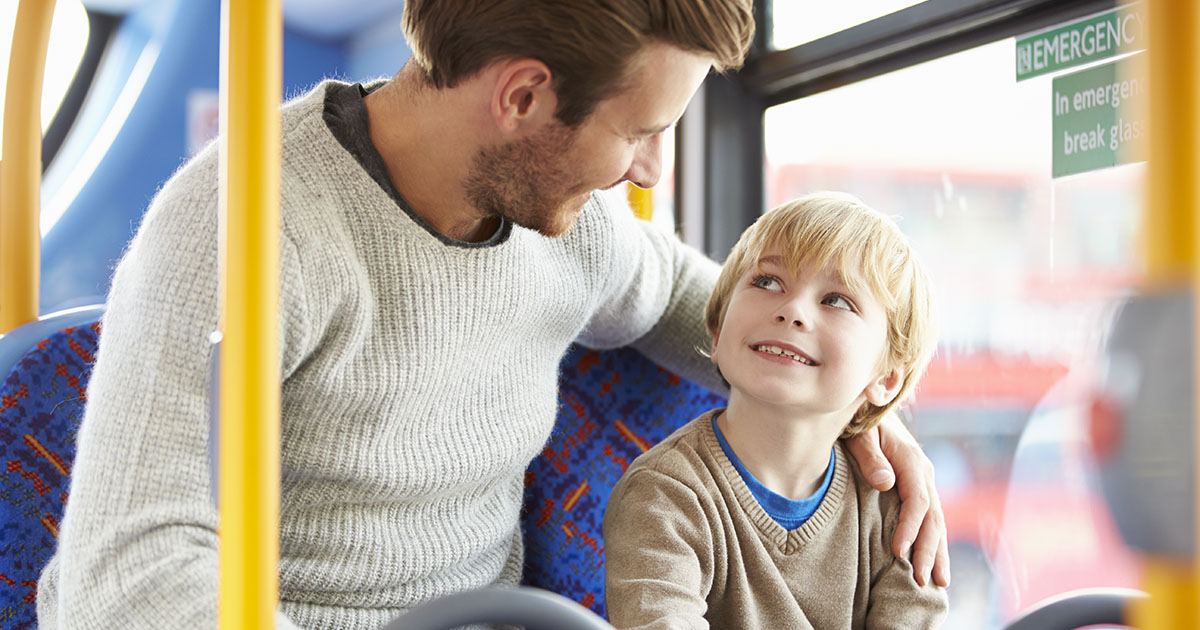
“Hi, I’m Michael.”
Ruby buried her face in Owen’s T-shirt. Cole stared at my shoes. Tessa crossed her arms, her chin up, suspicious. Owen watched like a child who had grown up too soon.
“Are you the man who’s taking us away?” she asked.
“If that’s what you want, then yes.”
Tessa immediately retorted, “All of us?”
“All of you. I didn’t come here to take just one of you.”
Her lips trembled, but it wasn’t a smile, more like cautious hope.
“What if you change your mind?”
“I won’t. Enough people have disappeared from your lives already.”
Ruby then came forward and said quietly,
“Do you have snacks?”
I laughed, my first real laugh in a long time.
“There are always snacks.”
Karen giggled softly behind me.

In court, the judge asked:
“Mr. Ross, do you understand that you are assuming full legal and financial responsibility for four minor children?”
“Yes, I understand,” I said.
I was afraid, but I meant it.
When they moved in, the house finally stopped feeling empty. Four pairs of shoes by the door. Four backpacks in a pile. Four voices filling the space.
The first few weeks were tough.
Ruby woke up almost every night crying for her mother. I sat on the floor next to her bed until she fell asleep again.
Cole pushed the boundaries, as if testing when I would leave.
Once he yelled at me, “You’re not my real father!”
“I know,” I replied. “But even so.”

Tessa often stood in the doorway and watched. She looked at me as if she were ready to defend the little ones if necessary. Owen tried to keep everyone together, and sometimes he broke down.
I made mistakes too. I burned dinner. I was late for work. Sometimes I locked myself in the bathroom for a minute just to catch my breath.
But there were good moments too.
Ruby fell asleep on my chest while watching a movie. Cole brought me a drawing of stick figures holding hands.
“This is us. This is you,” he said, pointing at me.
Once, Tessa slid a school paper in front of me without saying a word.
“Will you sign this?” she asked.
She had already written my last name after hers.
One evening, Owen stopped at my door.
“Good night, Dad,” he said, then froze, as if he had said too much.
I acted as if it were the most natural thing in the world.
“Good night, buddy.”

Inside, something trembled within me. It didn’t hurt like it used to. It felt more alive.
About a year after the adoption was finalized, there was a kind of order, with its own chaos. School, homework, doctor’s appointments, practices, arguments about screen time. The house was loud and full of life.
One morning, I took them to school and kindergarten, came home, and sat down to work. Less than half an hour later, the doorbell rang.
I wasn’t expecting anyone.
A woman in a dark suit stood at the door, holding a leather briefcase.
“Hello. Michael?” he asked. “Owen, Tessa, Cole, and Ruby’s adoptive father?”
My stomach lurched.
“Yes. Is everything okay with them?”
“Yes, they’re fine. I should have said that right away,” she replied. “I’m Susan. I was their biological parents’ lawyer.”

I let her in. We sat down at the kitchen table. I pushed aside a few cereal bowls and crayons. Susan opened her briefcase and took out a folder.
“They came to see me before they died to write a will,” she said. “They were healthy, they just wanted to plan ahead.”
My chest tightened as if someone had sat on it.
“In the will, they made provisions for the children. They put certain things into a trust fund.”
“What kind of things?”
“A small house,” she said. “And some savings. Not a huge amount, but it counts. Legally, everything belongs to the children.”
“Theirs?”
“Yes. According to the papers, you are their guardian and trustee. You can use the money for their care, but it’s not your property. When they grow up, whatever is left is theirs.”
I exhaled. This was good news. It meant security for them.
Susan turned the page.
“There’s something else important. Their parents specified one thing in particular. They wanted the children to stay together at all costs. If anything happened to them, they wanted them to be in a home with a guardian.”

She looked up at me.
“You did exactly what they asked. Even though you never saw this document.”
My eyes began to burn. While the system was preparing to separate them, their parents had stipulated in advance that they must remain together. They tried to protect them, even after their death.
“Where is the house?” I asked.
Susan gave me an address. It was on the other side of town.
“Can I take them to see it?” I asked.
“I think they would have liked that.”
That weekend, I put all four of them in the car.
Ruby immediately asked if we were going to the zoo. Cole asked if we would have ice cream.
“We can have ice cream if we behave ourselves,” I said.
We stopped in front of a small, beige house with a maple tree in the yard. The car fell silent.

“I know this house,” Tessa whispered.
Owen nodded. “This was our house.”
We went inside. Susan gave us the key. Everything was empty inside, but the children moved around as if they had left yesterday. Ruby ran to the back door.
“The swing is still here!” she shouted.
Cole pointed to the wall.
“This is where Mom marked how tall we were. Look!”
Under the paint, there were indeed a few faint pencil lines.
Tessa opened the door to a smaller room.
“That’s where my bed was. I had purple curtains.”
Owen went into the kitchen and ran his hand along the counter.
“Dad burned the pancakes there every Saturday,” he said.

Later, Owen came up to me.
“Why are we here?” he asked.
I crouched down in front of him.
“Because your parents took care of you. They put the house and some money in your names. All four of you. For your future.”
Tessa asked quietly, “Even though they’re gone?”
“Even so,” I said. “And they also wrote that you must stay together. Always.”
Owen’s eyes filled with tears.
“They didn’t want us to be separated?”
“No. That was very clear.”
After a moment, he asked, “So do we have to move here now? I like our house. With you.”
I shook my head.
“We don’t have to do anything right now. This house will wait. We’ll decide later, together.”
Ruby climbed into my lap and hugged my neck. Cole spun around on the ice cream, as if that would keep him together.
“We’re still going for ice cream, right?” he asked.

“Of course,” I said. “We are.”
That night, after all four of them had fallen asleep in our crowded rental house, I sat back down on the couch. I thought of Lauren and Caleb. I will always miss them. That won’t go away.
But now there are four toothbrushes in the bathroom. There are four backpacks by the door. Four kids yell, “Dad!” when I walk in with pizza.
I didn’t call child protective services because I was hoping for a house or money. I didn’t know anything about that. I called because four siblings were about to be torn apart.
The rest was their parents’ last message, written quietly on a piece of paper: keep them together.
I wasn’t their first father. But I was the one who said, late one night, “All four of them.”
And when they climb on me while watching a movie, steal my popcorn, and comment loudly on the scenes, I always think the same thing.

This is what their parents wanted.
Us. Together.


