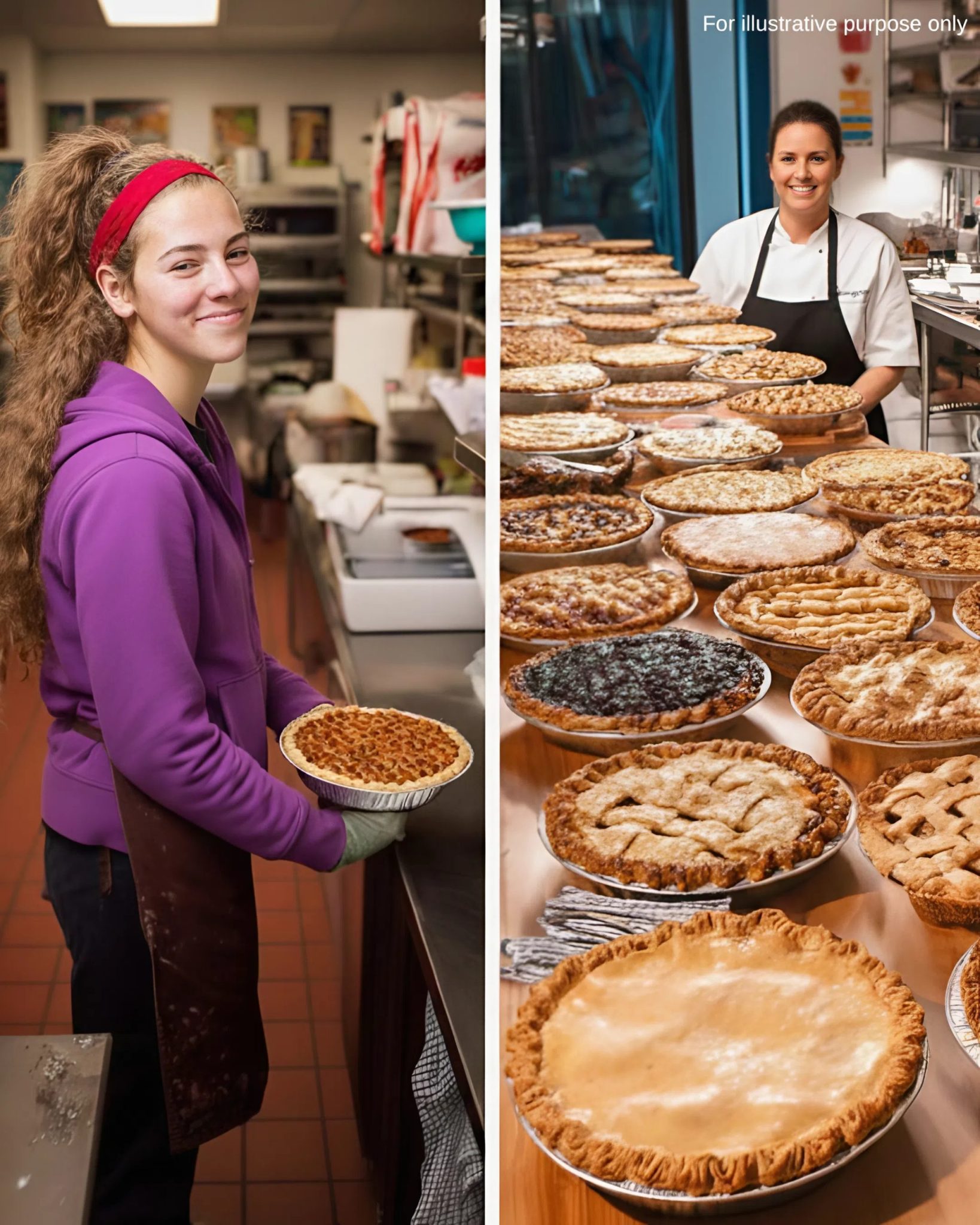
Grief drove me into the kitchen, where I found an unexpected kind of relief in baking pies for people I didn’t know. I never once imagined that someday, a pie would come back to me—and change my life forever.
When I was 16, I watched my entire world disappear in flames. In the aftermath of that loss, my grief pushed me to start baking pies for hospice patients and anyone who needed a little comfort. I had no idea that my quiet act of kindness would one day come full circle.

The night that changed everything happened during one of those bitter January evenings, when the cold pressed so hard against the house that the windows seemed to cry. I was curled up in bed with my earbuds in, drowning out the familiar sound of my parents laughing together as they watched TV.
Then I smelled it—smoke, sharp and heavy, mixing with the frost. I pulled my earbuds out just as the fire alarm shrieked. My dad burst into my room, his boots pounding against the hardwood floor.
He didn’t say a word. He grabbed my arm, hauled me down the stairs barefoot, and dragged me out the front door into the snow-covered yard while I stood there in my pajamas.
Then he turned and ran back inside to get my mom and my grandpa.
He never came back out. Neither did my mom. Neither did my grandpa. The fire took all of them.
They later said the fire started from an electrical issue in the kitchen.
The flames didn’t just take my family. They took the house, the savings, the photos, and the little ceramic horse my mom gave me for my tenth birthday. Everything.
Except me.
And I wasn’t sure I deserved to be the one left behind.
After that night, I stopped truly living. I was just floating through time.
With help from a local volunteer service, I ended up in a community shelter. They called it dorm-style housing for displaced youth, but it felt like a strange in-between place—halfway between catastrophe and uncertainty. I shared a room with another girl who barely spoke.
There were two bathrooms on each floor and one kitchen shared by about twenty people. But it was warm. It was safe. It was clean. I had a bed, and for that, I was grateful.
I could’ve gone to live with family, but Aunt Denise—my mom’s older sister and the only relative left—said she didn’t have space for me.
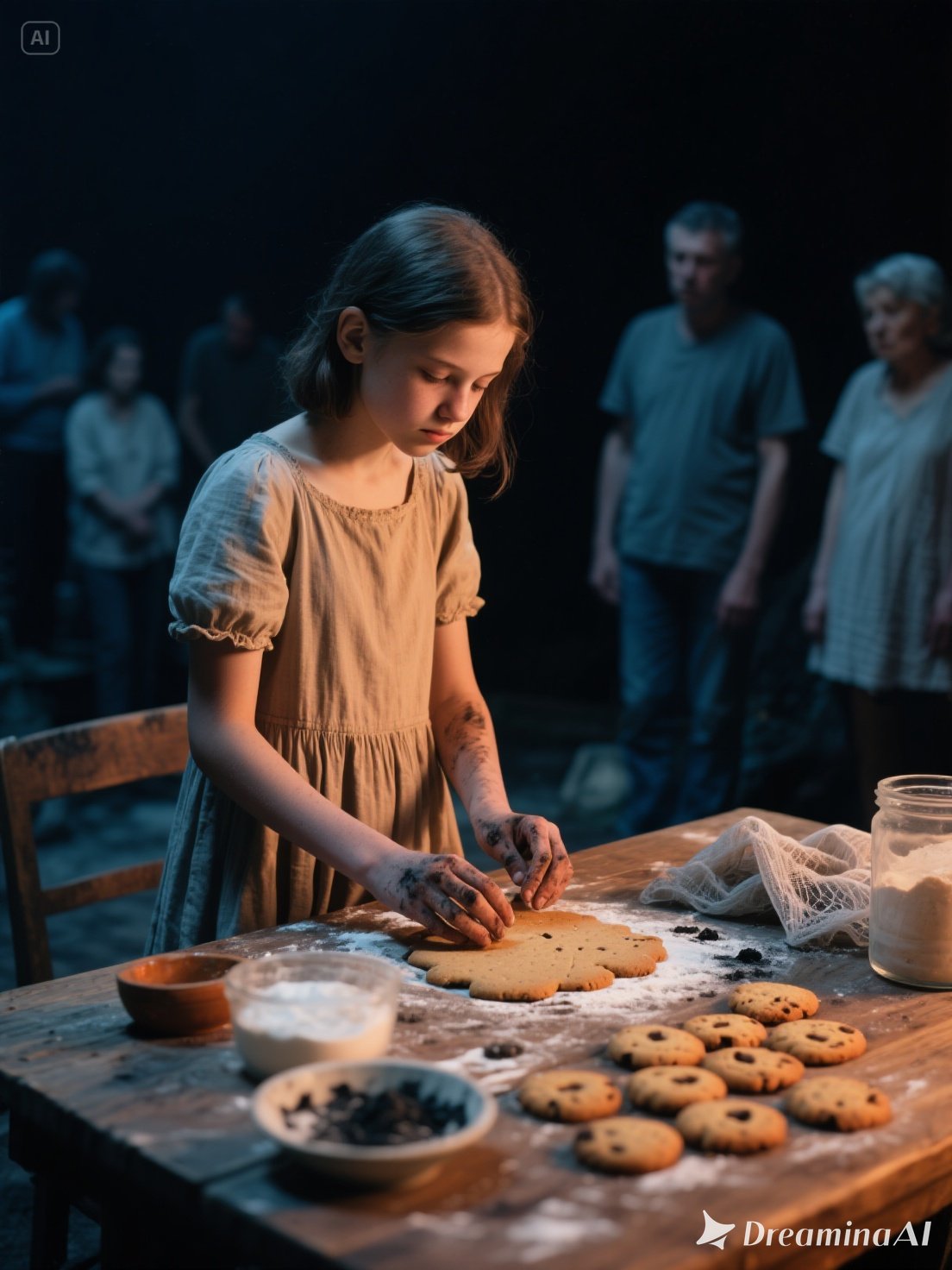
“I’m sorry, sweetie, but there’s no space here,” she told me over the phone. “Your uncle uses the spare room for work. And I’m not giving up my reading nook for a teenager. I’m grieving too, you know.”
She may have been grieving, but she was alert enough to take half of the insurance money I received. She said she’d use it to help me—clothes, therapy, whatever I needed.
Instead, she bought romance novels, detective books, a wine fridge, a new car, and started showing up to her weekly book club in fresh outfits and designer hats. She called them her “grieving wardrobe” and said they made her look “expensive but in mourning.”
I didn’t argue. I was too numb to fight. I told myself I’d already lost the most important thing—my family. At least I had a mattress, a tiny desk, and enforced quiet hours from 11 p.m. to 6 a.m.
During the day, I poured everything into school, studying like my life depended on it—because it did. I needed scholarships to get to college. I needed a future. I needed to matter to someone, even if that someone was just the person I hoped to become.
At night, while others in the dorm scrolled through TikTok, played music, or watched TV in the common room, I claimed the kitchen. I baked blueberry, apple, cherry, peach, and strawberry rhubarb pies whenever I could afford the ingredients.
I saved my monthly aid to buy flour, fruit, and butter. I kneaded dough on a scratched Formica counter, rolled it out with a wine bottle I’d pulled from the trash, and baked in the slightly crooked oven everyone shared. Some nights I made ten pies. Once, I managed twenty.
Then I boxed them up and delivered them anonymously—to the homeless shelter downtown and the hospice center nearby. Always at night. Always quietly. I handed them to nurses or volunteers and slipped away.
I never left my name. Never a note. I didn’t want recognition. I’d lost my family, but I still had love—and I needed somewhere to put it.
I never met the people who ate the pies. That felt like too much.
My aunt, who occasionally called or stopped by to “check on me,” didn’t understand.
“You’re wasting money,” she snapped over the phone. “Those people don’t even know who you are. That money should be going to me. I lost my sister too!”
She didn’t sound sad. She sounded irritated, like I was an inconvenience she hadn’t planned on supporting for this long.
Still, I kept baking—kneading dough by hand, chopping fruit with a donated paring knife, setting timers on a beat-up microwave. It was the only time my hands stopped shaking, the only time my thoughts slowed down. It gave my grief a purpose.