
My mother disowned me because I married a single mother — three years later, she wasn’t ready to see the life I was living.
Ethan Hale chose love over inheritance.
His mother turned her back on him without hesitation.
She had never been a warm woman. When Ethan’s father left, she didn’t cry or break down — she tightened the rules. Emotions were a weakness. Discipline was protection. She raised her son for success, not happiness.
When Ethan grew up, he stopped seeking her approval.
So on the day he told her about Lena — a compassionate nurse who was raising a young son on her own — his mother listened like a judge reviewing a case.
On paper, Lena seemed acceptable.
But as soon as Ethan mentioned the child, everything changed. Lena became a risk. A burden. A ‘complication.’
Their first meeting confirmed this. Lena arrived late, exhausted from working double shifts and problems with the nanny. Ethan’s mother limited herself to icy politeness — and nothing more. She barely glanced at Noah, paid only for herself, and left early. Lena understood immediately: there was no place for her in this family.
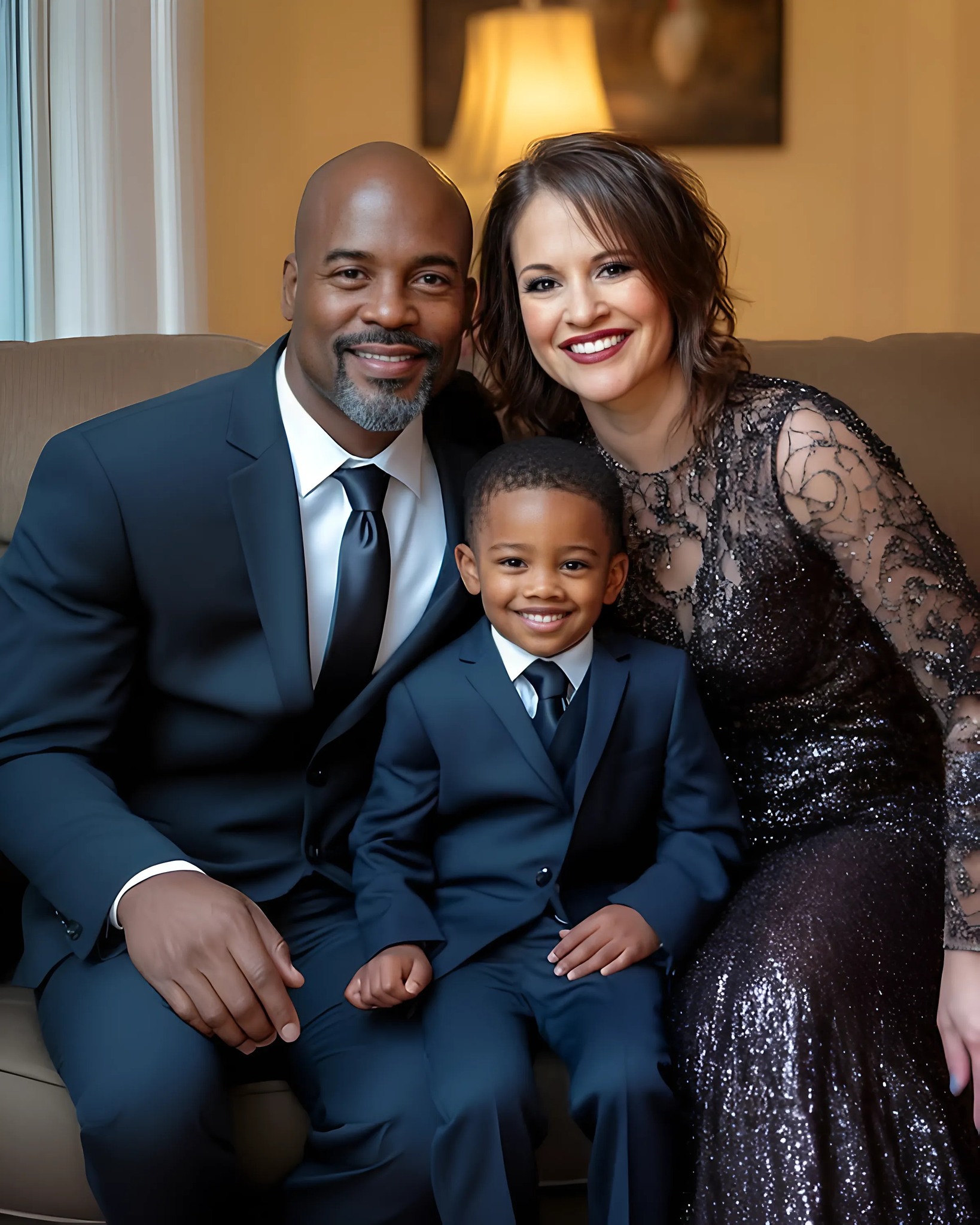
Two years later, Ethan ran into his mother at a piano shop — a place that meant refinement, pedigree, and control to her. She gave him a cold look and asked if the relationship was serious… or just another mistake.
Ethan replied that he was engaged.
Her reaction was calm and ruthless:
If he marries Lena, he will lose her support forever.
And so Ethan chose love — and left.
A different understanding of success
Ethan and Lena had a simple wedding in a friend’s garden. No speeches. No judgemental guests. Just promises.
Their life did not seem impressive by his mother’s standards:
a rented house, a full fridge, a lemon tree in the yard, and green handprints that Noah had painted on the wall of his room.
One afternoon, without thinking, the boy called Ethan ‘Dad.’
At that moment, Ethan realised that true happiness could be both frightening… and healing.

Three years passed without a word from his mother.
And then she called.
She said she was coming to see what he had ‘sacrificed everything’ for.
Lena wasn’t nervous.
‘She’ll judge anyway,’ she said.
So they didn’t frantically clean the house. They didn’t hide anything. They left everything as it was: warm, alive, imperfect.
What she didn’t expect
When Ethan’s mother arrived, she entered like a guest who wasn’t going to stay long. Her gaze swept over every detail with silent disapproval.
And then she froze in the hallway.
On the wall were Noah’s painted handprints.
In the corner was an old, scratched piano, tired but beloved.
Noah sat down on a stool and began to play Chopin — the very piece that Ethan’s mother had made him practise for years.

Her voice grew quieter.
‘Who taught him that?’
‘He wanted to learn,’ Ethan replied. ‘And I taught him.’
Noah finished playing, walked over and handed her a drawing of their family.
‘No one shouts here,’ he said very seriously.
Dad says that when people shout, the house forgets how to breathe.
Those words hit harder than any argument.
At dinner, she said that Ethan could be outstanding.
He smiled calmly.
‘I already am. I just stopped auditioning for you.’
For the first time, she admitted something real: she tried to control everything because she was afraid of being abandoned. And in doing so… she ended up pushing everyone away.
Lena finally spoke — without aggression, but with quiet clarity:
‘This family is not a mistake or a punishment,’ she said.
‘And you don’t have to be the villain… unless you choose to be.’
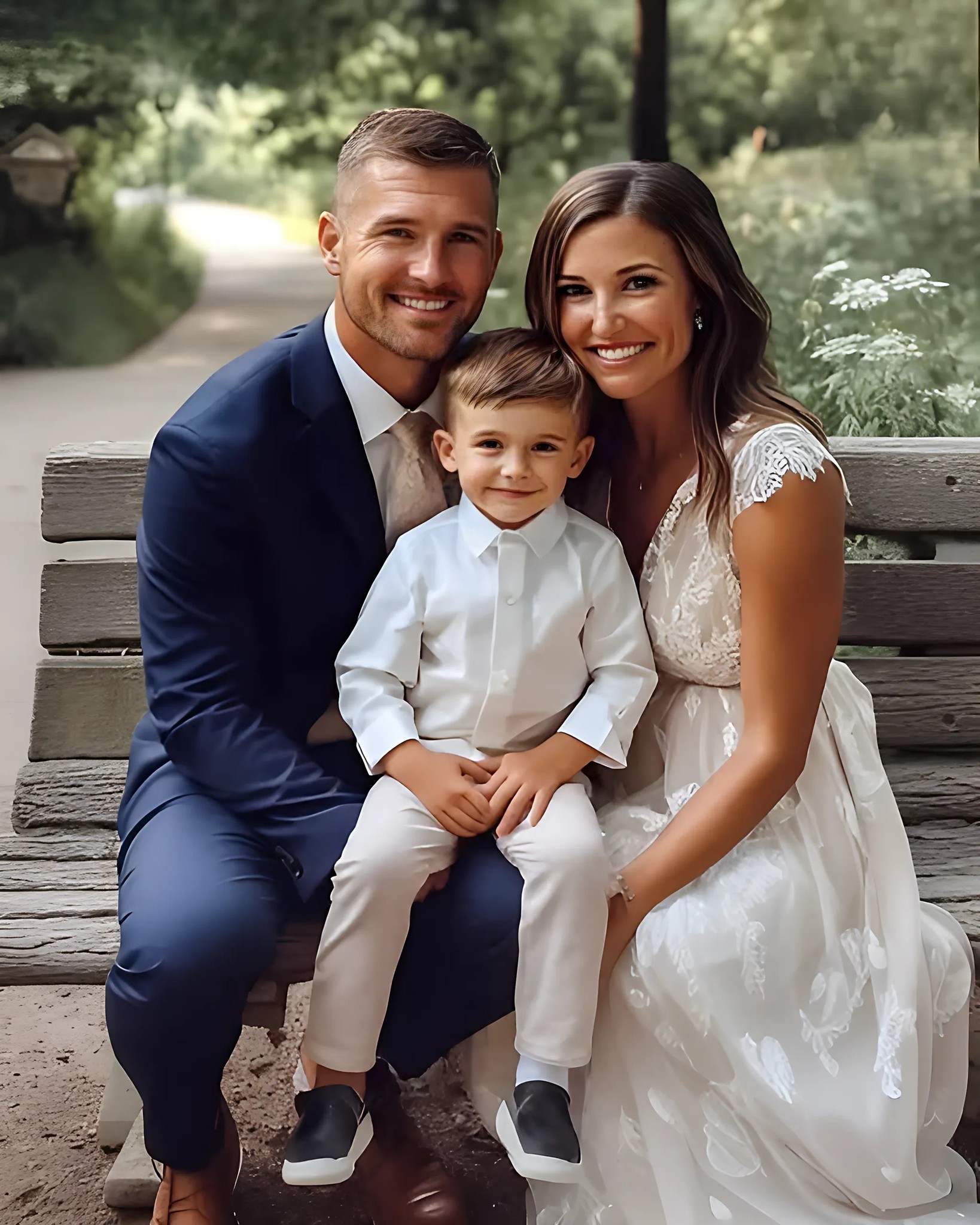
Not forgiveness, but something like it
Ethan’s mother left without a hug or an apology.
But a few days later, a package arrived.
Inside was a gift card to a music store.
And a little note:
For Noah.
Let him play because he wants to.
It wasn’t forgiveness.
But it was a start.