My husband, Daniel Harper, and I had been married for eleven years. On paper, we had it all. We owned a modest house in a quiet neighbourhood. We both had steady jobs. We paid our bills on time. We politely waved to our neighbours as we took out the rubbish. From the outside, we looked like the couple who had done everything right.
But inside our home, silence had been growing for many years.
For almost half of our marriage, we had been trying to become parents. At first, it was filled with hope and even joy. We joked about future names for our children during long car rides. We playfully argued about paint colours for a nursery that did not yet exist. But hope, if stretched out too long, can turn into something sharp and painful. Each visit to the doctor brought new tests. Each appointment was accompanied by another medical explanation and carefully chosen words of regret. In the end, there were no new options left — only confirmation of what we already suspected.
We couldn’t have children.
We stopped talking about it out loud. Not because it became less painful, but because words gave shape to a loss we no longer wanted to face. Daniel immersed himself deeper and deeper in his work, staying late. I filled my weekends with unnecessary tasks and social obligations that brought me no joy. We coexisted politely, like flatmates who know each other’s habits too well to pretend to be close.
The house seemed empty. Even the sounds inside it echoed differently, as if the walls themselves knew what was missing.
One evening after dinner, we sat across from each other at the kitchen table. The overhead light flickered slightly. The only sound was the hum of the refrigerator. I watched Daniel push his food around his plate without much appetite.
‘Maybe we should get a dog,’ I said, surprised at how calm my voice sounded.
He slowly looked up, as if I had spoken in another language.
‘A dog?’
‘Yes,’ I replied. ‘Something alive in the house. Something to take care of.’
He leaned back in his chair and crossed his arms.
‘I don’t want a small, noisy creature.’
‘It doesn’t have to be,’ I said quickly. ‘It doesn’t have to be at all.’
After a long pause, he sighed.
‘All right. We’ll see. But we’ll just see.’
So we found ourselves at the municipal animal shelter on a grey Saturday morning.
As soon as we walked in, we were overwhelmed by noise. Dogs were barking from all sides. Metal cages rattled as tails hit the bars. Some dogs jumped and spun around, desperately trying to attract attention. Others pressed their muzzles against the bars, their eyes shining with hope.
And then there was the last cage, in the far corner.
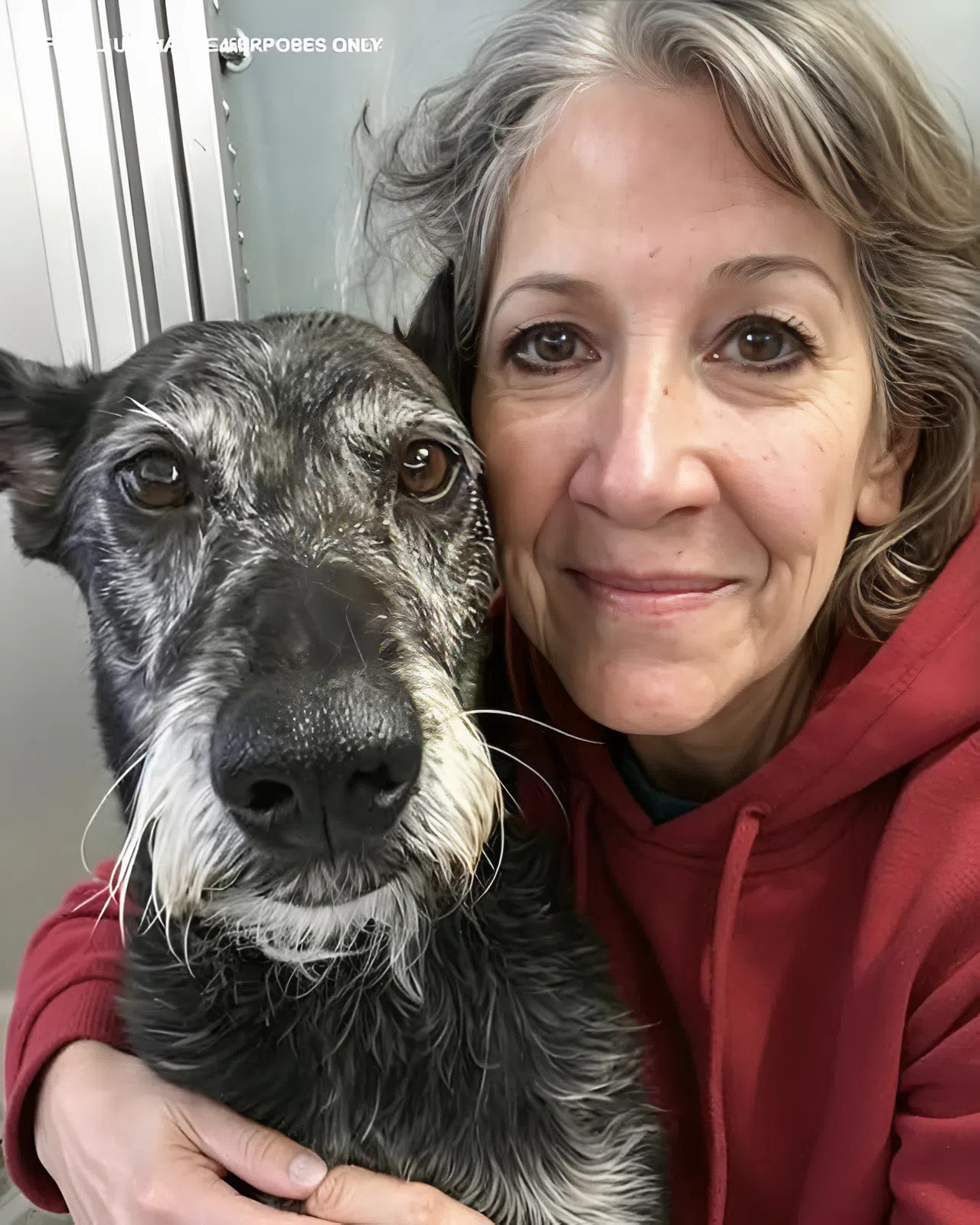
Inside lay a thin, elderly dog, curled up against the wall. Its coat was dull and uneven. Its muzzle was grey with age. It did not bark or get up. It did not even lift its head when we approached. Only its eyes moved. They followed me with a quiet, conscious gaze that made my heart ache.
Inside lay a thin, elderly dog, curled up against the wall. Her coat was dull and uneven. Her muzzle was grey with age. She did not bark or get up. She did not even lift her head when we approached. Only its eyes moved. They followed me with a quiet, conscious gaze that made my heart ache.
I knelt down in front of the cage without even realising it.
The tag read: Daisy. Twelve years old. Multiple illnesses. Hospice only.
I felt Daniel tense up beside me.
‘No,’ he said immediately. ‘No way.’
‘She’s so quiet,’ I whispered.
‘She’s dying,’ he replied sharply. ‘We’re not going to sign up to watch that happen.’
Daisy stirred slightly. Her tail tapped the floor once, softly but deliberately. It was a tiny movement, but it felt like a hand reaching out to me.
‘She needs a home,’ I said.
Daniel smiled, but there was no humour in it.
“She needs a vet and a miracle. Not us.
I turned to him.
‘I can make her life comfortable. I can make her happy.’
His face hardened.
‘If you bring that dog home, I’m leaving. I’m not going to sit and watch you waste away caring for something that’s almost gone.’
I looked at him, waiting for the anger to soften and give way to reason. It didn’t happen.
‘It’s her or me,’ he said evenly.
At that moment, I knew he was serious. And just as suddenly, I knew I didn’t need to think about my answer.
Daniel was packing his suitcase when I brought Daisy into the house later that day.
Her body trembled as she crossed the threshold. Her claws tapped nervously on the parquet floor. She paused, uncertain, then looked at me as if asking if this really was her home now.
‘It’s okay,’ I whispered, gently lowering her to the floor. ‘You’re safe.’
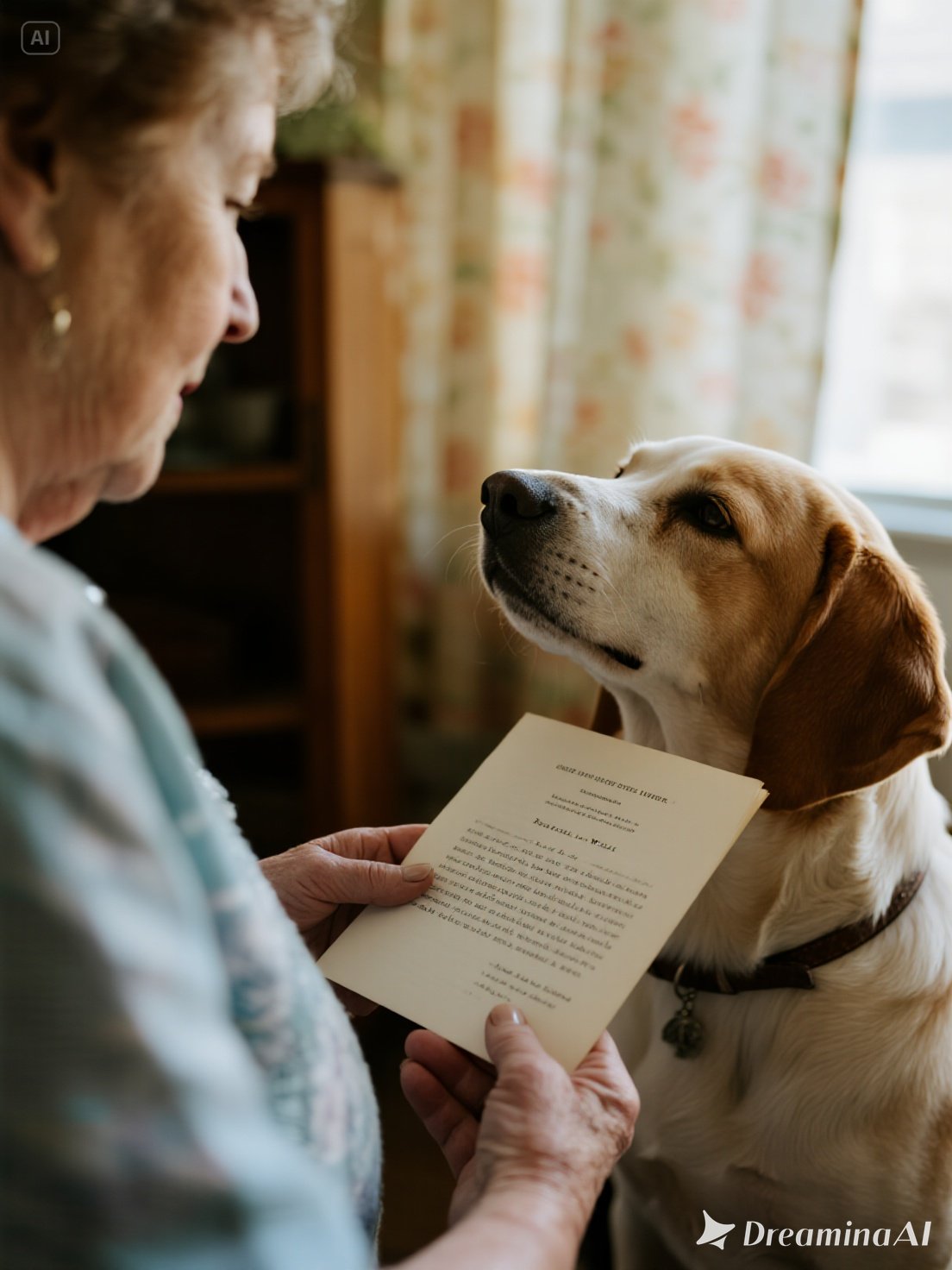
Daniel walked past us, his jaw clenched.
‘You’re making a mistake,’ he said, without looking at me.