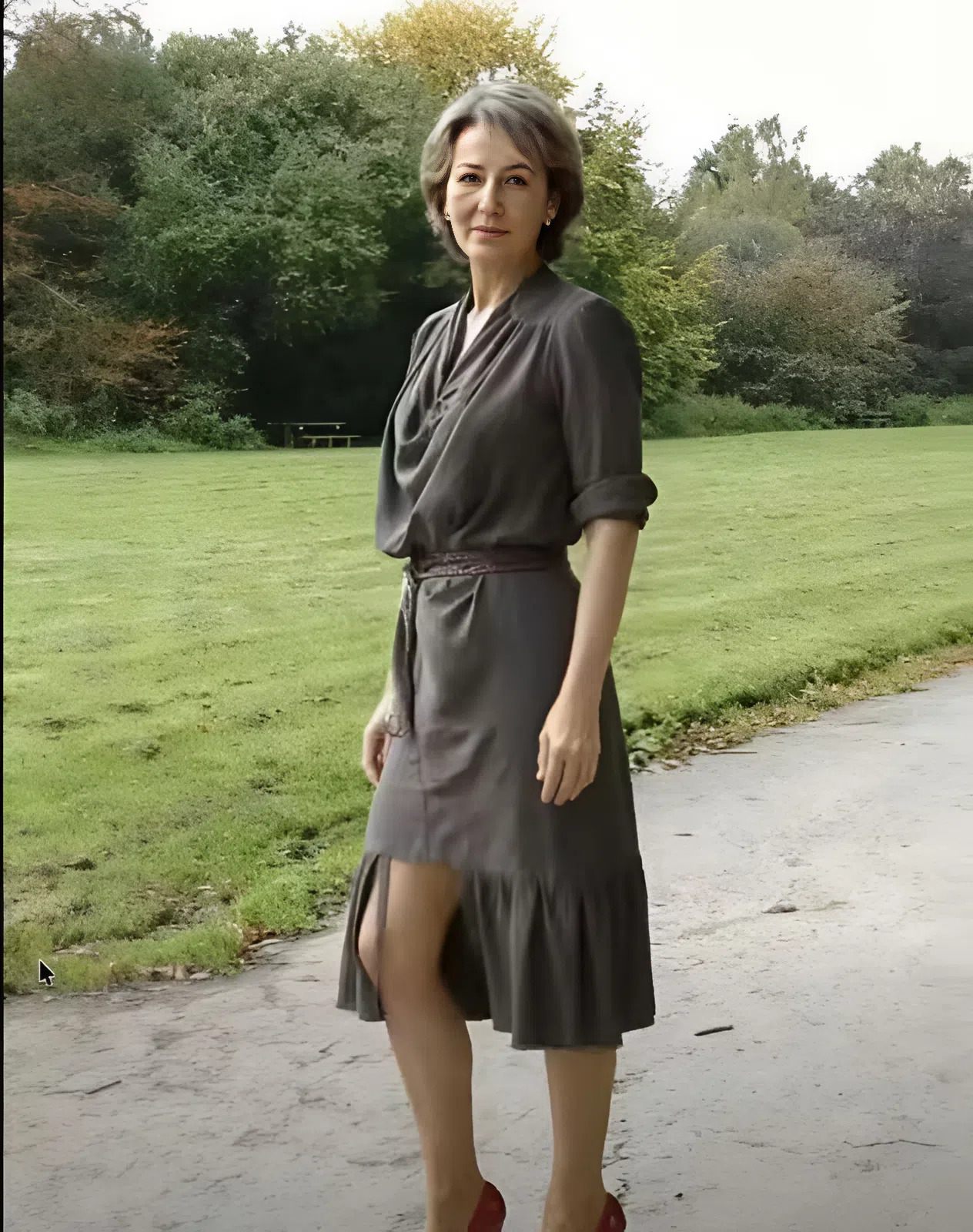
I was sixty-two when, for the first time in many years, I felt that I was on the threshold of something unknown.
Life seemed to have frozen around me—my children had long since moved on with their lives, my husband had passed away almost ten years ago, and my house in the village had become as quiet as a museum of forgotten sounds.
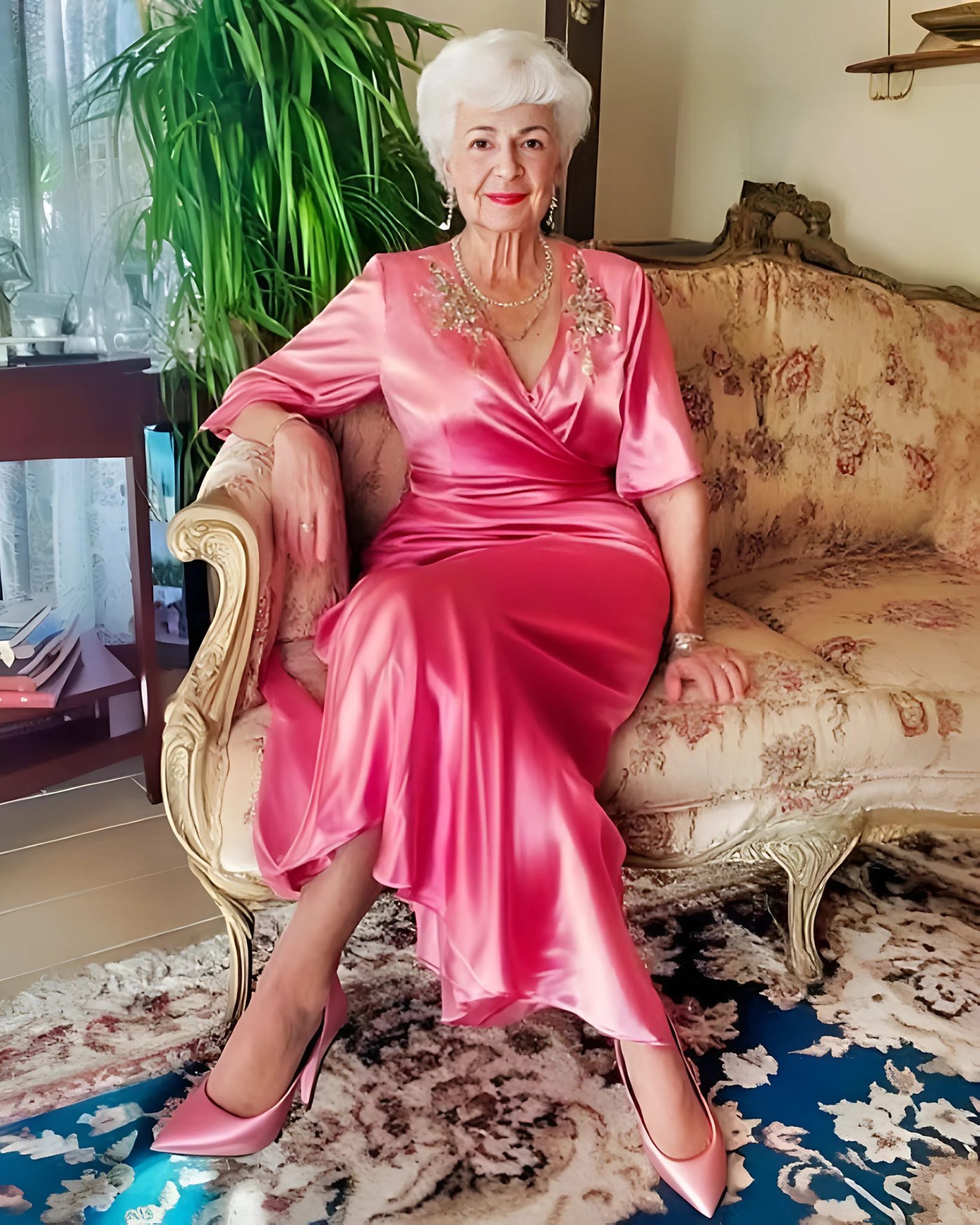
Every evening I sat by the window, listening to the birds singing and watching the road, where rarely a single car passed. On the surface, there was calm, harmony, familiarity.
But inside me there was a strange emptiness. It wasn’t loud, it didn’t hurt. It just reminded me of itself every time the house was filled with silence.
On my birthday, the silence became deafening.
No one called.
None of my sons sent me a message.
I sat at the set table — a small cake, a candle that had gone out before it had even burned down, and the feeling that I had become a ghost in my own life.
And then, for the first time in many years, I said to myself:
“If you don’t change your life yourself, no one will do it for you.”
An hour later, I was already on the bus to the city.
No plan, no attachment to a schedule.
Just a desire to breathe different air, see different people, feel alive.
In the city, I wanted to hide in some cozy place, so I went into a small bar bathed in soft amber light. The music was quiet, and the bartender nodded hello. I chose a table in the far corner and ordered a glass of red wine.
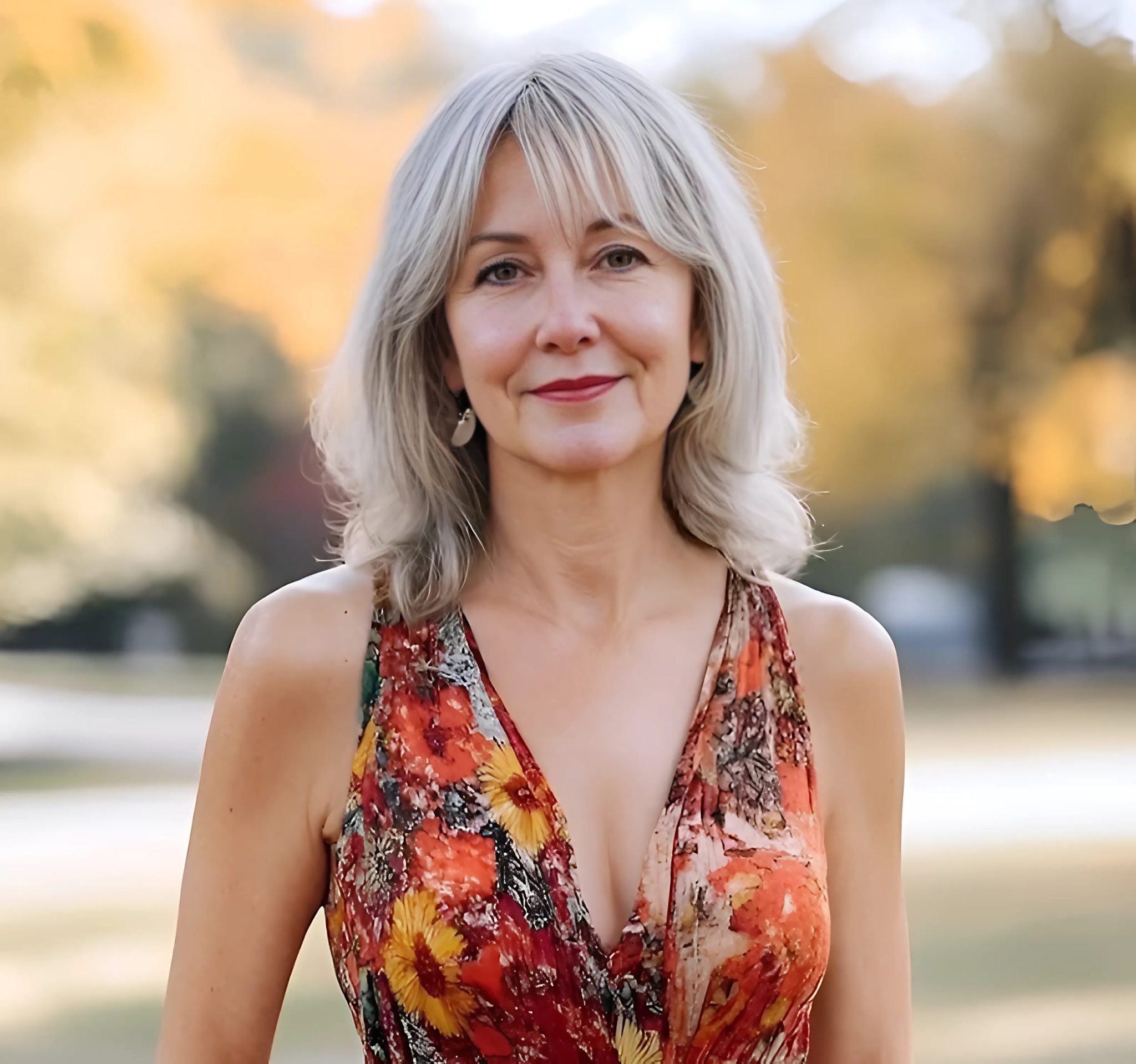
I am not accustomed to wine, but its tartness suddenly spread a long-awaited warmth across my chest.
I looked at the windows behind which life was flowing and felt as if I were standing on the threshold of change… but I did not know what kind.
When a stranger approached my table, at first I did not even realize that he was coming to me.
He was a man of about forty-five, with slightly gray temples and the thoughtful gaze of someone who notices details. He was holding a camera and smiling gently, as if afraid of scaring me away.
“May I?” he asked quietly, nodding toward the empty chair.
I was surprised, but I let him.
His name was Mark, he was a photojournalist, and he had just returned from a trip.
Our conversation began cautiously — about the weather, music, the city. But gradually it became freer, warmer.
I talked about my house, my garden, how I had once dreamed of traveling but always put it off — first because of the children, then because of work, then because of circumstances.
He listened. Truly, attentively.
Only those who can see a person’s story, not their age, listen like that.
No one had looked at me like that in a long time.
And between the words, between the pauses, a weightless, almost invisible connection arose.

When we left the bar, the city was already drowning in the evening lights.
Mark walked me to the bus stop, and we stood under the streetlight for a long time, not wanting to part.
“Can I give you something?” he said unexpectedly.
Before I had time to be surprised, he took my picture — quickly, deftly, as if it were a natural gesture for him.
“Why?” I whispered.
“Because you seem like someone who lives more deeply than they speak.”
I blushed. And in that moment, I felt decades younger.
The bus arrived too quickly.
I left, thinking I would never see him again.
But in the morning, everything changed.
When I woke up, I found a small package under the door. No note, just a photograph — the one taken the night before: I am standing under a streetlight, bathed in soft golden light, and my face has an expression I haven’t seen in a long time — calm, lively, almost happy.
On the back of the photo was written:
“If you want to continue the story, come to where the roads end… and the sea begins.”
And below that was an address.
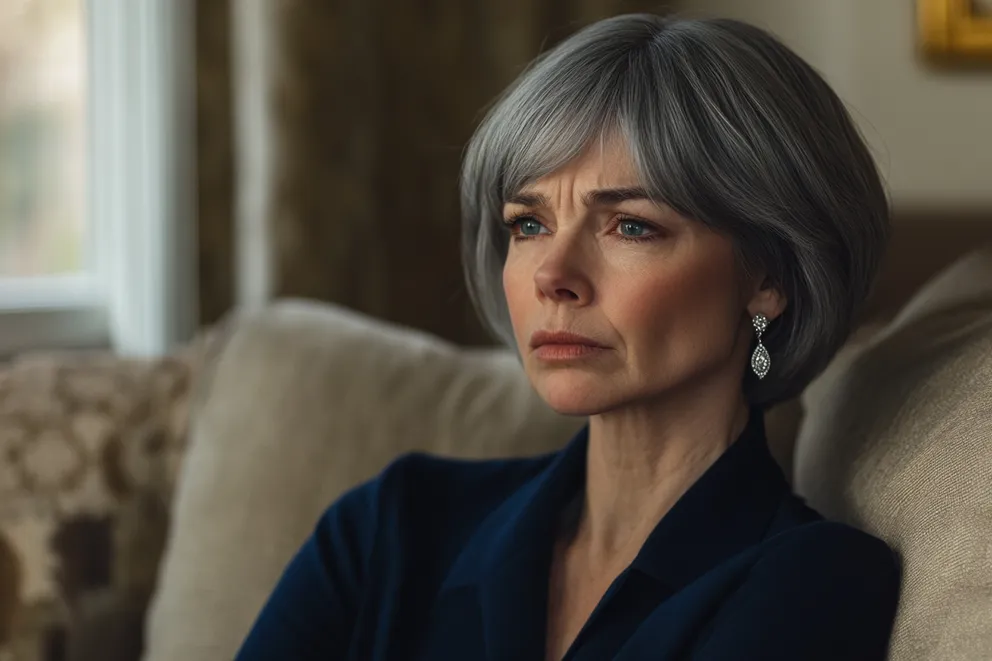
My breath caught in my throat.
I looked at the photo and suddenly realized:
I could choose not to go…
or I could take the step I had always been afraid to take.
And I chose the latter.
Three hours later, I was on a bus taking me to the sea.
My fingers were trembling, my heart was beating fast, like a girl’s. I didn’t know what awaited me. But I knew that for the first time in many years, I was moving not out of fear, but out of desire.
When I arrived, I found a small observation deck on a cliff. The sea breeze ruffled my hair, the sun was setting below the horizon, painting everything around me in copper colors.
And there, in the shadow of a lonely lighthouse, he stood.
Mark.
He smiled as if he knew I would come.
“You came,” he said.
“I’m surprised myself,” I admitted.
“Then let me show you something.”
He handed me a folder.
Inside were photographs—dozens of pictures he had taken in different countries: mountains, streets, people’s faces. But at the very end was a new photograph—me, real, in my village house, taken from a distance through a window.
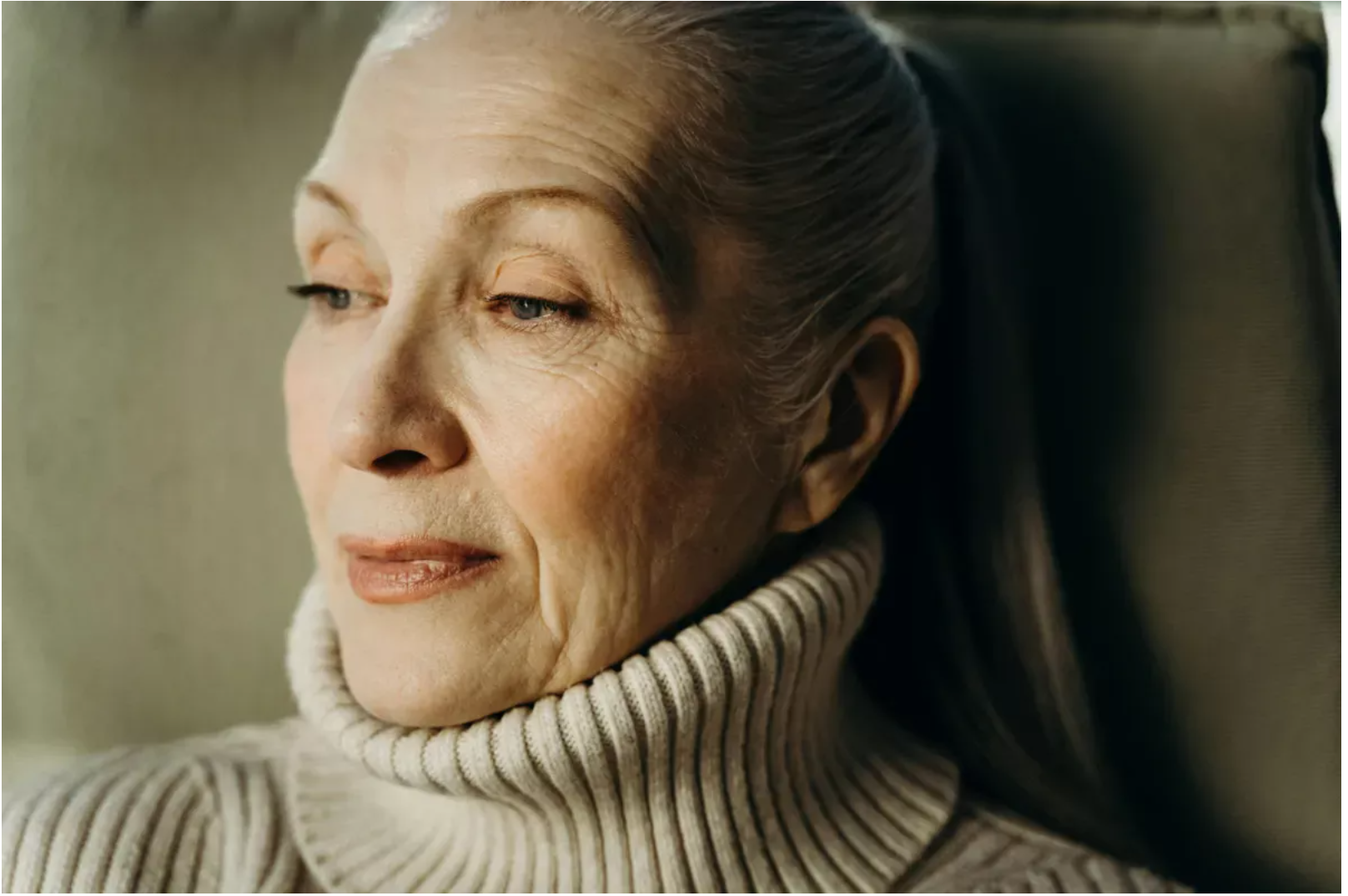
I gasped.
“I… I didn’t notice.”
“I came to see you this morning, wanted to wish you a good day, but I saw you looking at the road. And I understood… you’re waiting for change. Just like me.
I looked up at him.
And he continued:
“I don’t want to disappear. And I don’t want you to disappear. It’s too late for both of us to start life over… but no one forbids us from starting it anew. Together.
The words were simple, but I heard in them not a romantic impulse, but the honesty of a man who had long sought his place — and found it next to me.
We sat on the edge of a cliff, dangling our feet over the sea and talking about everything that had been building up inside us for so long.
And when the sun had completely disappeared behind the horizon, Mark asked:
“Can I take one more photo? The one that will be the first in our shared history.”
I smiled, feeling the wind carry away all my loneliness.
“Yes. Go ahead.”
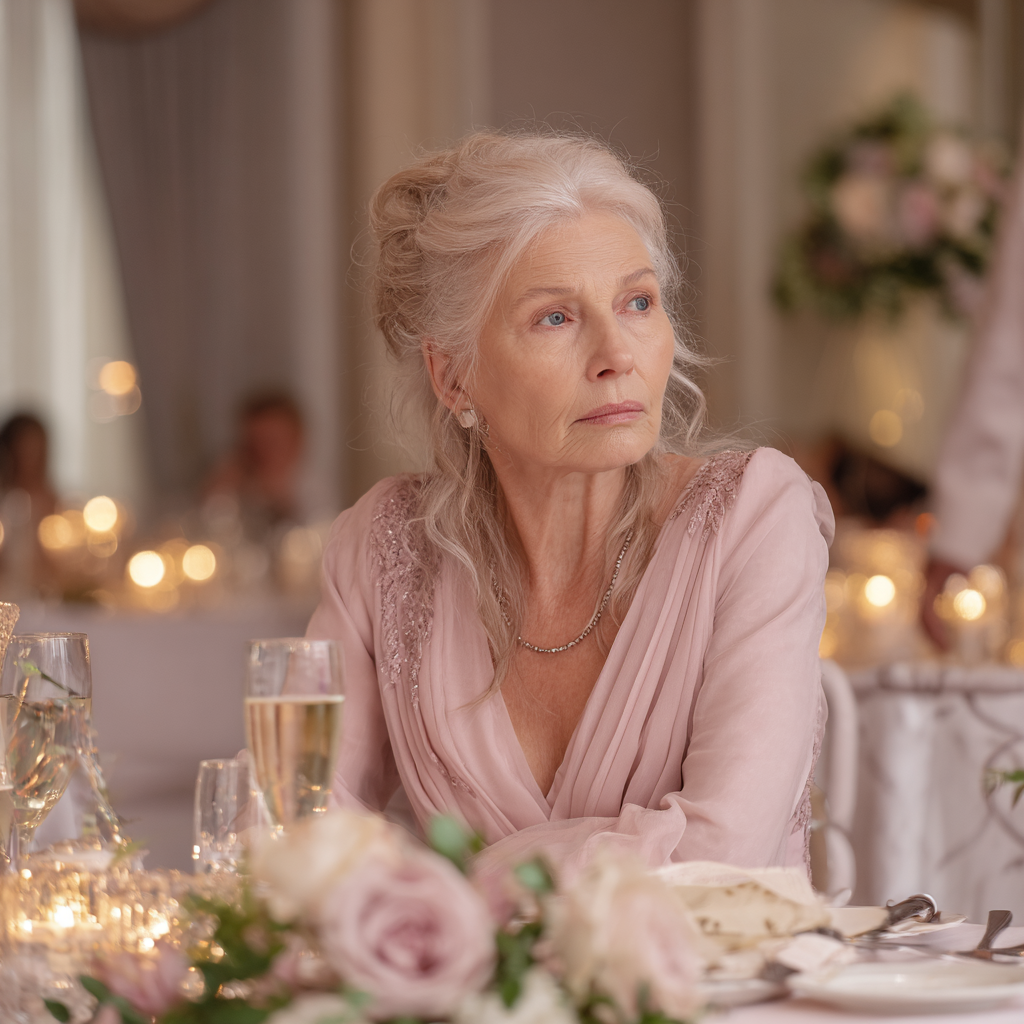
And he photographed me — as I had never seen myself before.
Alive.
Laughing.
Happy.
Life doesn’t end at sixty-two.
Sometimes it’s just beginning to breathe.
And sometimes the most important step is to get on a bus with no destination and let the world give you back what you thought was lost forever.