
I am 65 years old. When I look back on my life, most of it is inextricably linked to the man I once called my husband. We were married for 37 years, years filled with routine, arguments, shared dreams and quiet sacrifices that never made it into the photographs. I believed, with the stubborn certainty of someone who had built their life brick by brick, that whatever happened in the world, we would face it together.
That belief vanished on a grey morning in family court in Cleveland, Ohio.
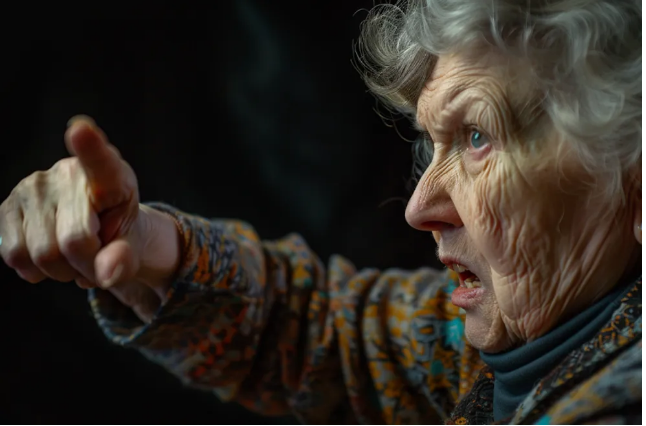
The divorce itself was short, almost mechanical, as if the law was tired of witnessing grief and wanted to get it over with quickly. When the papers were signed, my ex-husband, Patrick Miller, took a plain bank card out of his jacket pocket. His face was calm, almost detached, the same expression he used when discussing utility bills.
‘Here,’ he said indifferently. ‘Three hundred dollars. That should be enough for you for a while.’
His words hit harder than any insult. Thirty-seven years reduced to a number that would barely cover a few months’ rent. I stood there rooted to the spot as he turned and walked away without looking back. The echo of his footsteps haunted me long after the courtroom was empty.
I left the card behind, not because I wanted to use the money, but because throwing it away felt like admitting that I had truly been thrown away.
After my divorce, my life narrowed down to survival. I rented a damp room behind an old grocery store on the outskirts of town, a place where the walls smelled of mould and the radiator creaked all night long. I took whatever work I could find. I cleaned offices before dawn, watched over parked cars during events, collected bottles from the pavement to exchange them for small change. Pride became a luxury I could no longer afford, but some stubborn part of me refused to disappear.
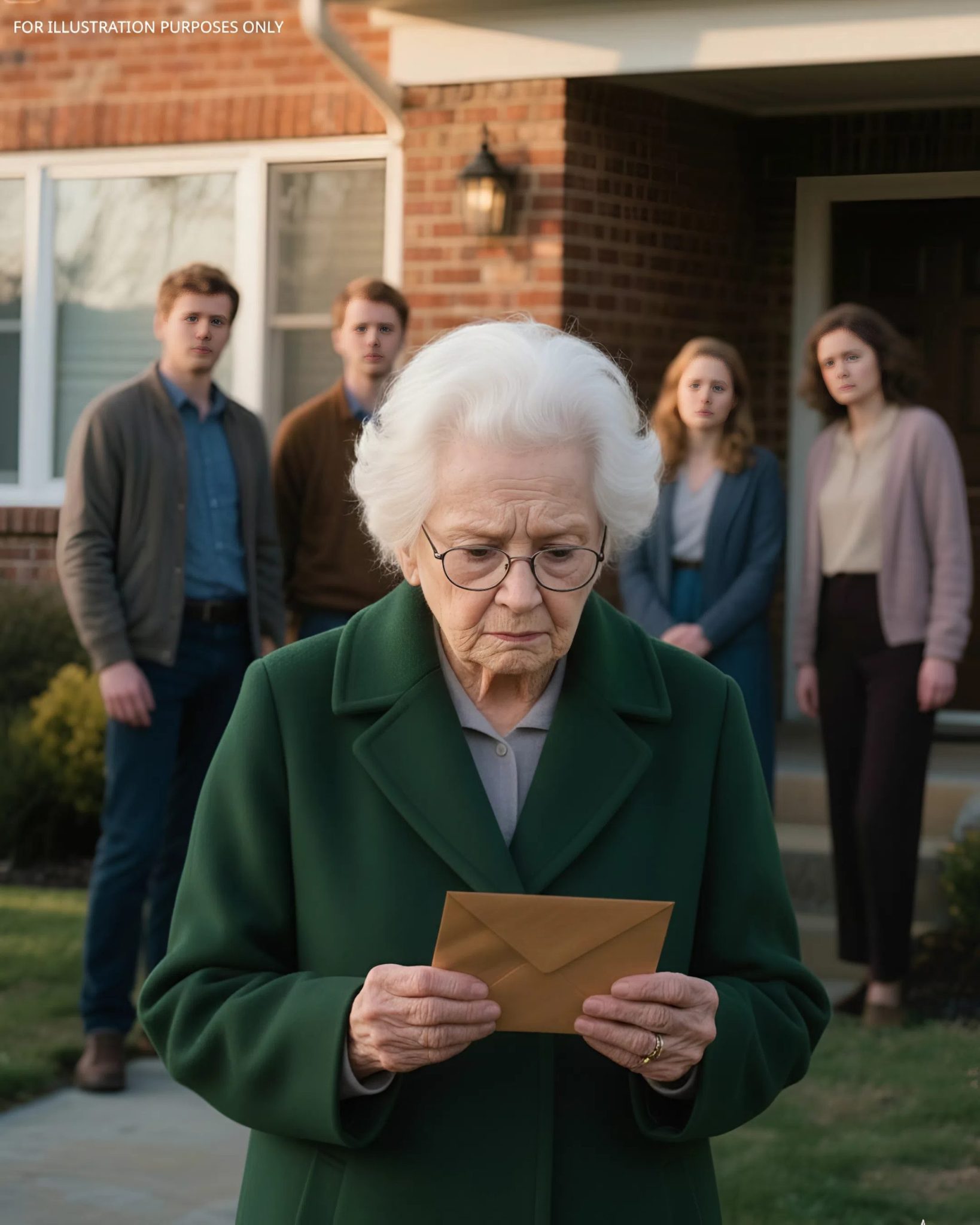
There were weeks when hunger became a constant companion. Nights when I went to bed with a stomach ache and my mind full of regret and anger. Nevertheless, the card remained untouched at the bottom of the drawer. Not out of pride. Out of pain. It symbolised betrayal. It symbolised that I had been reduced to a burden. It was a life wiped off the face of the earth.
The years passed slowly, each one putting more and more pressure on my body. My joints ached. My back protested at every movement. There were days when getting up seemed impossible.
My children visited me when they could, leaving a little money and promises to return as soon as possible. They had their own families, their own concerns. I never told them how often my head spun, how often the world floated before my eyes. They had their own lives, and I didn’t want to be another burden on them.
But everything changed in a single day when my body finally gave up. I collapsed right in front of my bedroom door, and the world sank into a blur of noise and shadows. When I came to, I was in a hospital ward with a flashing light above my head. A young doctor stood nearby, his expression serious but kind.
‘You are severely malnourished,’ he said. ‘You need treatment and observation. This cannot be delayed.’
Then I realised I had no choice.
That night, for the first time in five years, I thought about my bank card.
‘It’s only three hundred dollars,’ I told myself. ‘But maybe it will be enough to live on for a couple more days.’
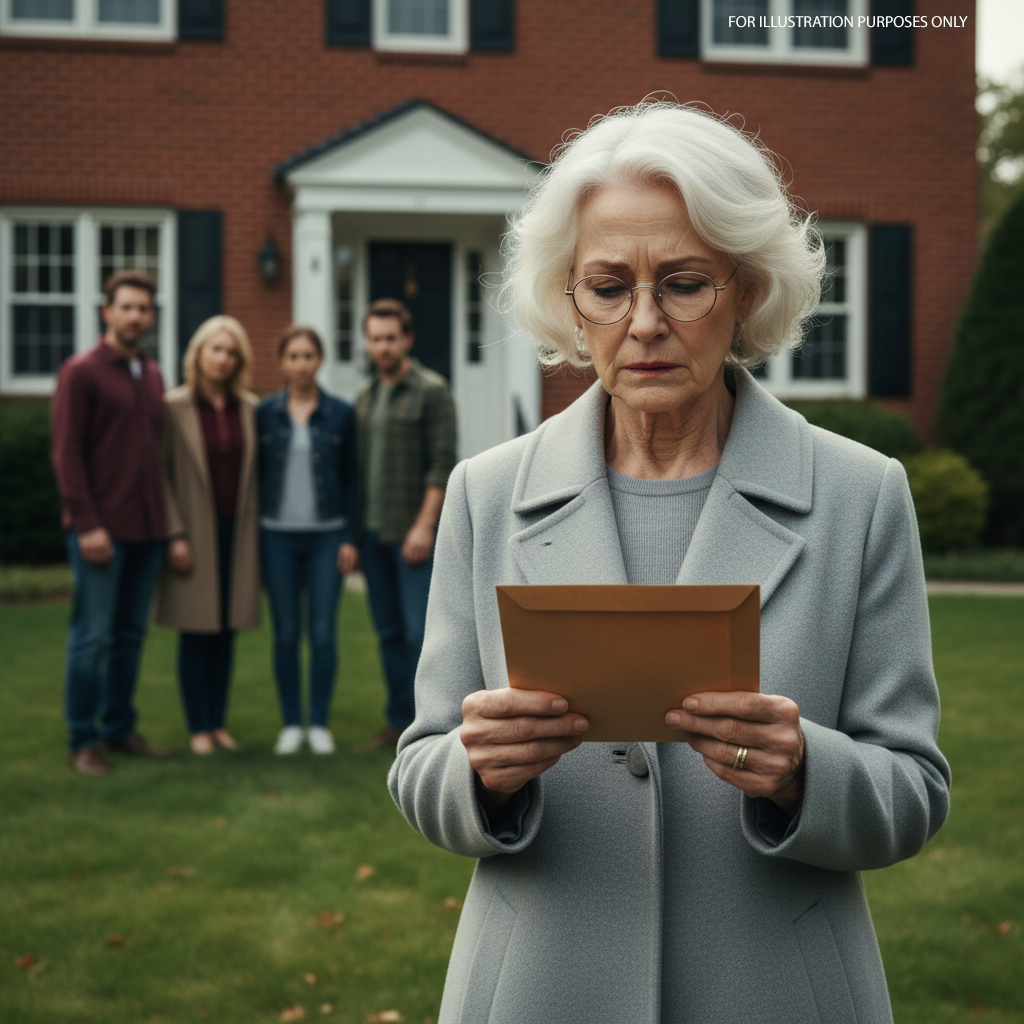
The next morning, I went to the bank. My hands were shaking as I handed the card to the teller, who was barely older than my youngest grandson.
‘I want to withdraw the entire amount,’ I said quietly.
She typed something on the screen for a few seconds, her eyes slightly narrowed. Then she looked up at me, and her professional smile softened with surprise.
‘Madam,’ she said cautiously, ‘the balance is not three hundred dollars.’
My heart beat faster. ‘Then how much is it?’ I asked, barely trusting my own voice.
She printed out a statement and handed it to me. I leaned forward, reading the numbers over and over, convincing myself that my eyes were deceiving me.
987,000 dollars. Almost a million.
I felt the air rush out of my lungs. My knees buckled, and I had to grab the counter to keep from falling. ‘Who put that money in?’ I whispered.
The cashier turned the screen towards me. It showed a list of monthly transfers, each for the same amount and to the same name.
Patrick Miller.
I left the bank in a daze, the noise of the city fading into the distance, becoming something distant and unreal. That night, I couldn’t sleep. I lay there staring at the ceiling, memories rearranging themselves in my head like a puzzle. The quiet evenings when he stayed awake after I fell asleep. The sadness in his eyes that I mistook for indifference. The way he avoided my gaze in the last months of our marriage.
In the morning, I realised I needed answers.