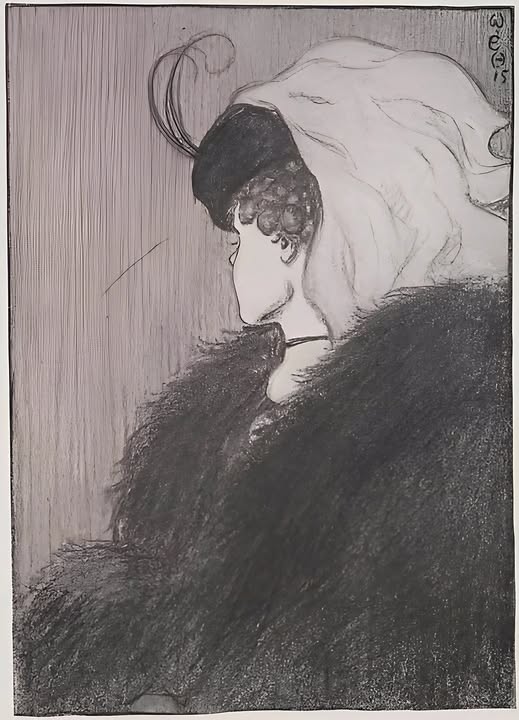
Do you believe in optical illusions? What do you see in this picture?
William Ely Hill drew a legendary cartoon called ‘My Wife and My Mother-in-Law.’ It is one of the most famous illusion paintings. This cartoon first appeared in 1915. However, it is only recently that psychologists have focused their attention on it. Psychologists from Austria began to study it carefully and came to the conclusion that the perception of the illusion depends on age.
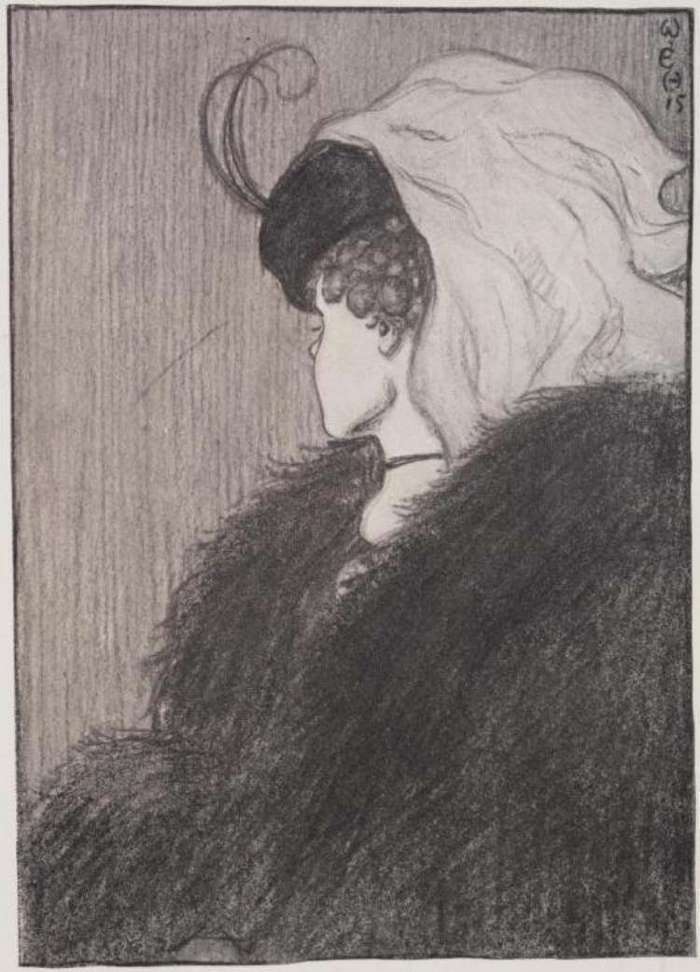
Not everyone can see the different subjects in the picture — the ‘mother-in-law’ and the ‘wife.’ The fact is that both women look the same. One woman is standing sideways and her facial features are not very clear — she is young. The older woman is standing in profile — she has a hooked nose.
Scientists have discovered what determines the perception of the illusion. The cartoon is over 100 years old, but it is never too late to conduct an experiment, since no one has been able to get to the bottom of it before.
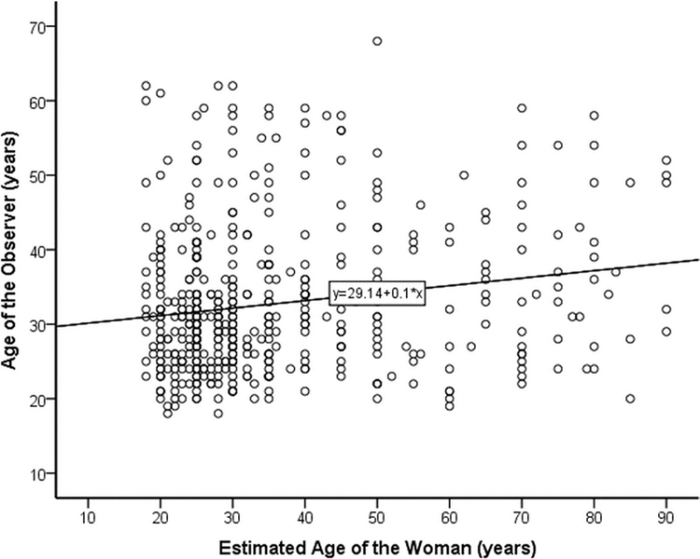
Just under 700 people (666) took part in the experiment. They were all of different ages — 18-68 years old. They had not seen this picture before, so they had no idea what the experiment was about. They had only a moment to look at the illusion. Then they had to describe what they saw. And here are the interesting results: people under 30 identified the young woman, while older people identified the mature woman.
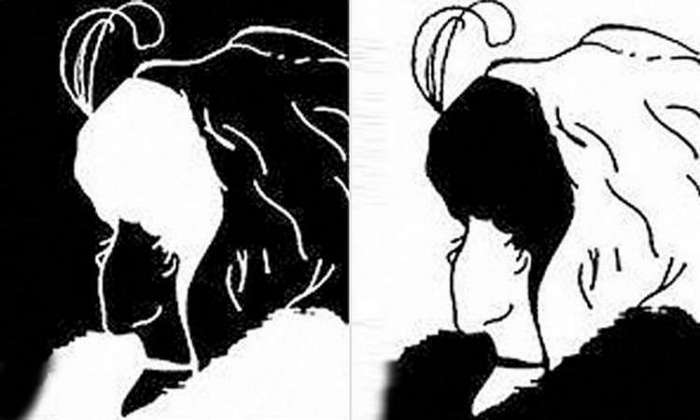
The younger the participant in the experiment, the younger the woman they saw when guessing her approximate age. In other words, perception of optical illusions directly depends on age. However, several older people still saw the ‘wife’ first, i.e. the younger woman. You could say that they are young at heart.
So it turns out that everything depends on age.
Take a look at this graph. On the left is the age of the participant in the experiment, and on the right is the age of the woman they attributed to her.
Incidentally, this image first appeared on a postcard. That was way back in 1888. In 1915, Eli Hill modified it slightly and presented his version to the public. Fifteen years later, psychologist Edwin Boring began to actively use it to show patients an example of an optical illusion.