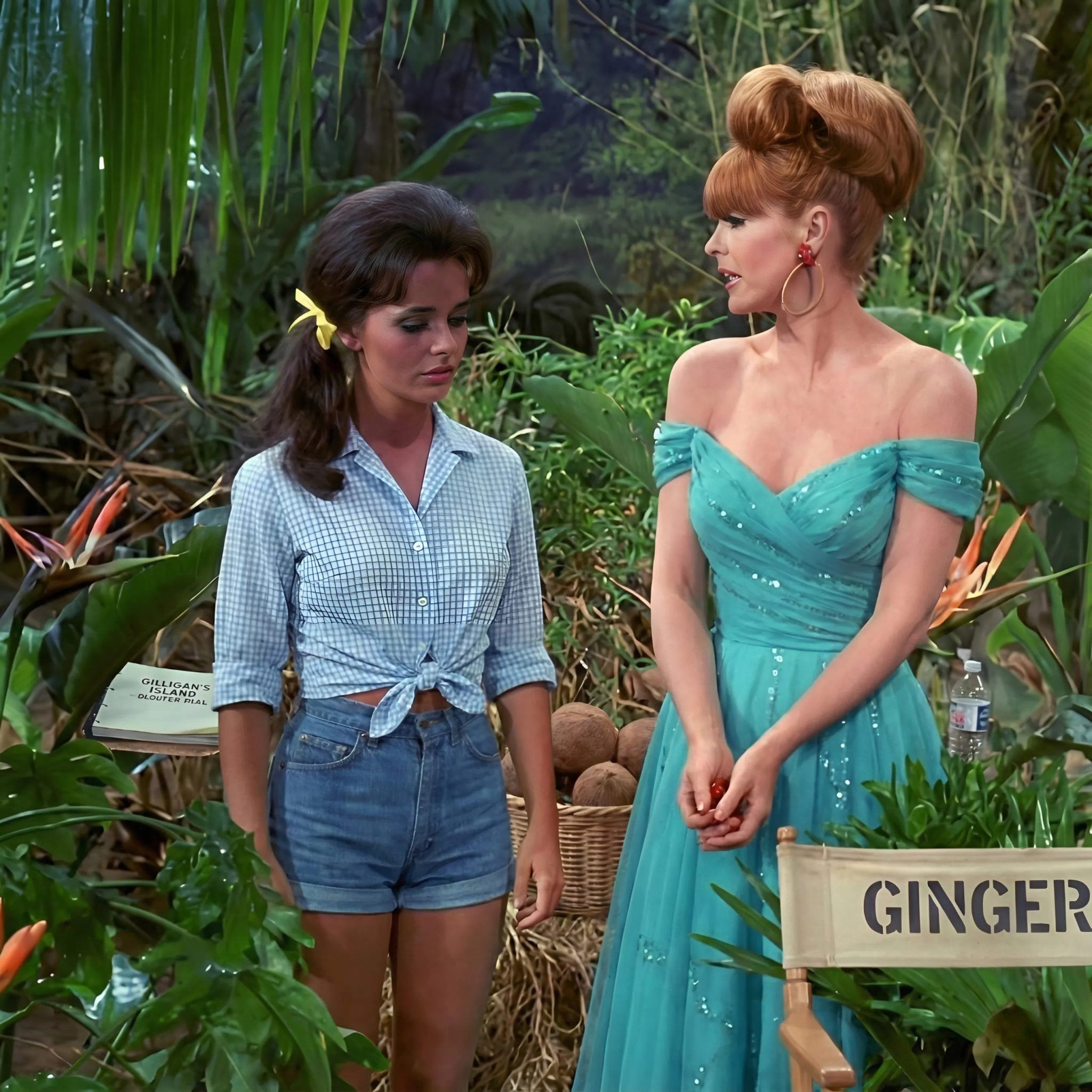
The lasting legacy of Gilligan’s Island stands as a textbook example of broadcast syndication and the remarkable longevity of classic television. Although the series aired for only three seasons between 1964 and 1967, its cultural footprint achieved a multi-generational reach that many modern streaming productions struggle to match. From a media-production perspective, the show serves as a rich archive of mid-century Hollywood creativity, complete with technical bloopers, on-set challenges, and biographical trivia that together provide a revealing behind-the-scenes view of the golden age of sitcoms .
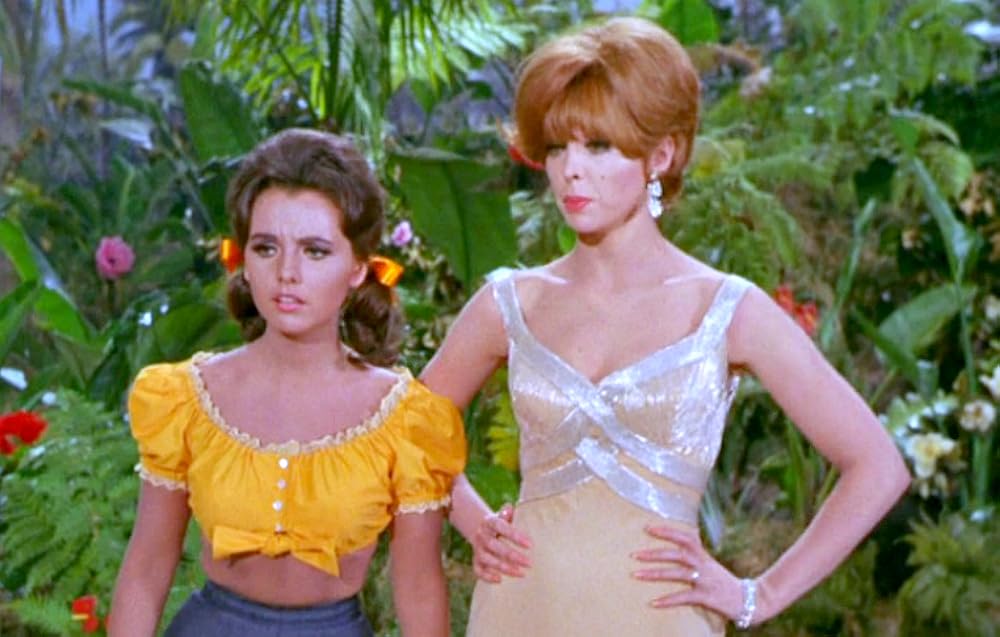
One of the most frequently discussed continuity errors involves the opening credits, a crucial branding element for any television franchise. In the season two introduction, a wide-angle shot of the S.S. Minnow leaving the marina briefly reveals an extra passenger. While the scripted story centers on seven castaways, the cinematography unintentionally captured eight people on board. Industry accounts suggest that uncredited stand-ins were used for long-distance shots to manage production costs and actor availability, creating a visual inconsistency that went unnoticed by network executives for years.
In the episode The Friendly Physician, the production team faced a logistical challenge when the castaways temporarily left their tropical island setting. Featuring Vito Scotti as the eccentric Dr. Boris Balancoff, the episode required location filming beyond the controlled CBS studio lagoon. As the characters flee the doctor’s castle, the camera failed to fully conceal background infrastructure, exposing studio warehouses and nearby commercial buildings. This set-design oversight disrupted the illusion of isolation and stands as a notable example of how urban surroundings can intrude on period-style filming.
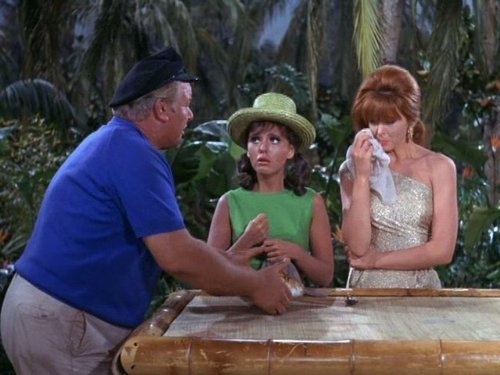
The historical backdrop of the pilot episode, Marooned, is unexpectedly somber. Filming in Honolulu Harbor coincided with the assassination of President John F. Kennedy in November 1963. This national tragedy led to a mandatory production pause as U.S. military bases and naval ports entered a period of federal mourning. A subtle visual marker remains in the season one opening sequence, where American flags appear at half-mast, quietly linking the lighthearted comedy to a pivotal moment in American history.
Casting the show was equally high-stakes. Alan Hale Jr., who ultimately became synonymous with the role of The Skipper, demonstrated extraordinary determination to secure the part. While filming a Western in Utah, he navigated a demanding journey involving horseback travel and hitchhiking to reach his Los Angeles audition. His effort paid off, as he surpassed future Hollywood figures such as Carroll O’Connor, underscoring how persistence often proves decisive in talent selection.
Continuity slips and performance errors also appear throughout the series. In an episode involving butterfly collecting and fermented berry juice, The Professor, played by Russell Johnson, consumes alcohol despite having previously stated a medical allergy. In another scene where the castaways are unconscious, Natalie Schafer, portraying Mrs. Howell, briefly opens her eyes — a small technical lapse frequently cited by devoted fans in online discussions and archives.
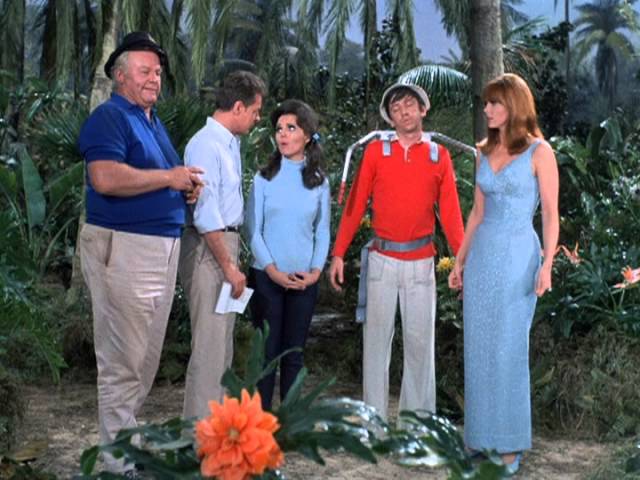
The pilot episode contains additional technical anomalies stemming from the use of a movie tank for ocean scenes. Attentive viewers can spot the edge of the swimming pool during the shark attack sequence, as well as boom-microphone shadows reflected on the simulated water surface. Biological inaccuracies also appear, such as the presence of a woodpecker on a tropical island, despite the species not being native to such environments. These creative liberties were typical of mid-century television, where entertainment value often outweighed scientific precision.
The evolution of the theme song reflects labor dynamics and cast negotiations common in the television industry. Initially, the lyrics referred to The Professor and Mary Ann simply as “the rest.” Following vocal fan support and advocacy from Bob Denver, who played Gilligan, the two characters were formally named in the season two version of the song. This adjustment reinforced the ensemble cast as a unified brand.
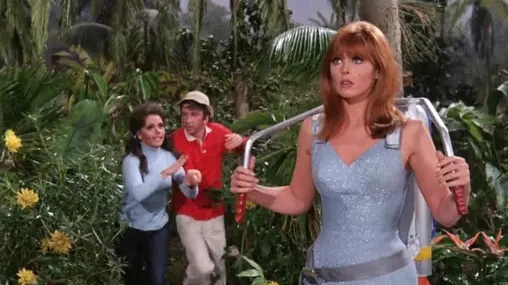
The naming of the S.S. Minnow was a deliberate act of satire by series creator Sherwood Schwartz. The boat was named after FCC Chairman Newton Minow, who had famously criticized television programming as a “vast wasteland.” This playful jab at regulatory authority became a permanent element of the show’s mythology, revealing a layer of meta-commentary beneath its slapstick surface.
In the episode So Sorry, My Island, underwater filming and special effects were put to the test. The storyline featured a one-man submarine, but practical effects limited the illusion. Viewers can see a diver’s air tank and flippers breaking the water’s surface, exposing the human effort behind the mechanical façade. This moment stands as a classic example of budget-conscious filmmaking before the advent of CGI.