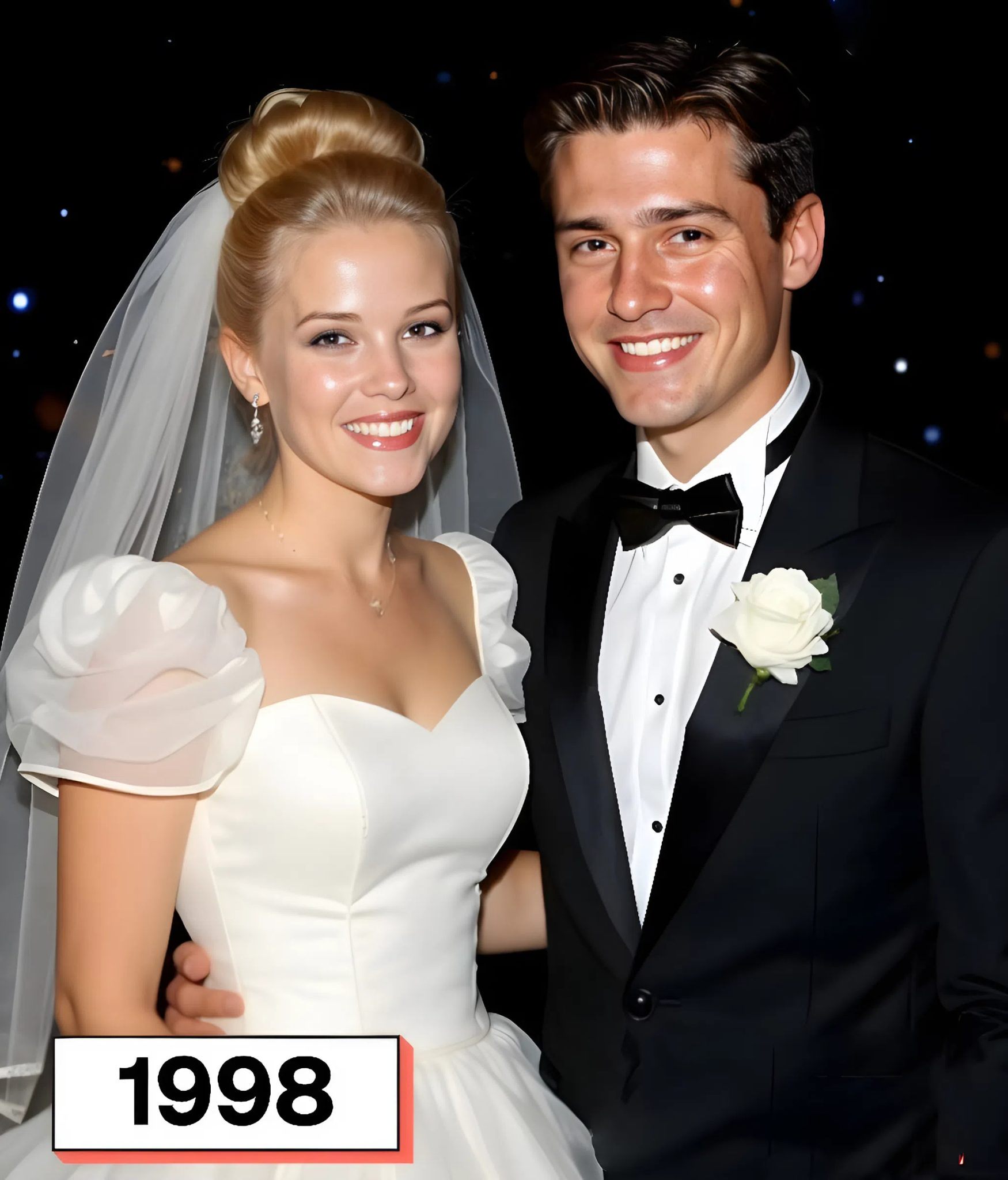
When my husband passed away after 27 years of marriage, I thought grief was the hardest thing I would ever have to face. But then his solicitor informed me that our marriage had never been legal, and I had no rights to what we had built together. I almost lost everything until I discovered the surprising truth about his secret.
I am 53 years old. I thought I had already been through the most difficult moments in my life. But nothing prepared me for the day Theo left.
It happened as a result of a car accident on a rainy Tuesday. One call from an unfamiliar police officer, and my world fell apart.
My husband, my partner of 27 years, the father of three children, was gone. No warnings, no chance to say goodbye, no last ‘I love you.’
The funeral became a blur of flowers, tears, and quiet words of comfort from acquaintances whose faces I couldn’t quite make out. I held our three children close, hoping that if we stayed together, we would somehow get through this.
Our daughter Zara, 18, stood next to me, her eyes swollen, trying to be brave. Our son Felix, 16, tried to hold back his tears.

We were all suffering, and it was very difficult for me.
The weeks after Theo’s death were like walking through a thick fog. I performed my daily duties — cooking meals I didn’t eat, answering questions I didn’t hear, lying in our bed at night, reaching out to someone who wasn’t there.
Then came the meeting with the solicitor.
I sat in his office three weeks after the funeral, surrounded by dark wooden walls and shelves lined with heavy books. He handed me a stack of documents, and I began to look through them with trembling hands.
My heart stopped when I saw it. In legal wording, I found a single line: No record of marriage found.
I blinked, completely sure it was a mistake. A paperwork error that could be corrected. Twenty-seven years together — birthdays, anniversaries, family trips, quiet Sunday mornings, arguments and laughter. How could it not be real?
‘I’m very sorry, Miss Lila,’ said the solicitor, pausing. ‘There’s no easy way to tell you this.’
‘What do you mean?’ I asked. ‘We got married in 1997. I have photos. My dress is in the wardrobe.’
His face looked heavy, full of pain. ‘I’m very sorry, but legally you were never married. We checked every record and the county office. The marriage certificate was never filed. Without it or a will naming you as his heir, you have no claim to his estate.’

The room spun. I grabbed the chair to keep from falling over.
‘That can’t be true,’ I said. ‘We had a ceremony. Friends were there. We’ve been together for 27 years! How can you say we weren’t married?’
‘I understand,’ he replied quietly. ‘But without legal proof, you were partners, not spouses. And since your husband died without a will, his property will go to his closest relatives by law.’
‘I’m his closest relative,’ I said, my voice breaking. ‘I’m his wife. The mother of his children.’
He shook his head. ‘His parents are dead, but he has a brother in Oregon and several cousins. They are his legal heirs. You have two weeks to leave the house. It is part of the estate, which will be sold and divided among them.’
My knees buckled, even though I was already sitting down.
The house we had furnished together, room by room, over two decades. The savings we had put aside for the children’s college education. Even the car in the driveway, registered only in his name. All of it… gone.
The following weeks were unbearable. My grief was no longer just in my heart — it became a heavy burden that weighed on me every day.

My health, already shaky from years of stress and endless nights of taking care of the house while Theo worked long hours, deteriorated rapidly. I lost 15 pounds in three weeks. My hands were constantly shaking. Some mornings, it was difficult to get me out of bed.
It was hard on the children too. Zara and Felix should have been enjoying college, dreaming about their futures. Now they were talking about staying close, giving up their plans to help me. That guilt hurt more than anything.
Every day I woke up tired, forcing myself to keep going. To do my part-time job at the library. To cook dinners I couldn’t taste. To clean the house we were about to lose. To support the children when I didn’t have the strength to comfort them myself. To answer questions I didn’t know how to answer.
How could Theo do this? Did he forget to file the paperwork? Didn’t he care about me?
And then, a week before we were due to leave the house, someone knocked on the door.
I opened it and saw a woman in her forties with a leather folder. Her badge said she was a county worker named Eloven.
‘Miss Lila?’ she said softly. “I’m Eloven from the county office. We checked Theo’s records after his death, and I think you should see this. May I come in?”

My heart was pounding as I let her in.