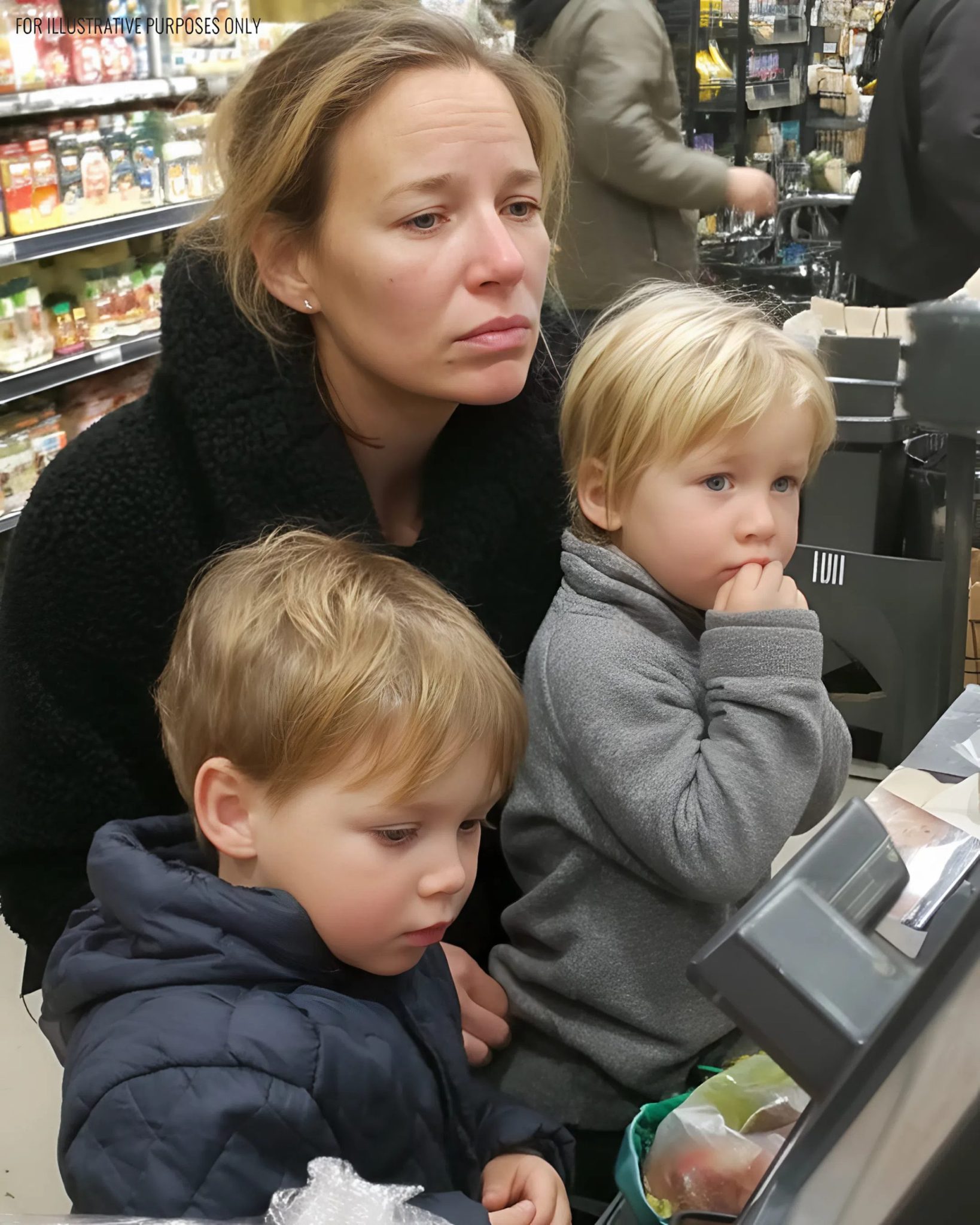
I thought it was just a $10 kindness—covering apples and cereal for a mom who couldn’t afford them at my checkout line. But a few days later, a police officer walked into my tiny grocery store, asked for me by name, and turned that small moment into something that changed my job, my faith in people, and the way I see myself.
I’m 43, I work the morning shift at a little grocery store on Main, and honestly? Most days feel like I’m just trying to stay upright while the world spins a little too fast. Some mornings, I watch the sunrise through the loading dock door and remind myself that showing up is half the battle.
It’s not glamorous work, and it’s not the kind of job people dream about, but after everything we’ve been through as a family, I’ve come to appreciate the value of stability. Stable means the fridge is full. Stable means the lights stay on. Stable means my daughter has a real shot at a future. I used to want more, but now I just want enough. Enough time, enough warmth, enough peace.
Dan, my husband, works full-time at the community center doing maintenance on leaky pipes, busted toilets, cracked windows. You name it, he fixes it. He’s always tired, always working with his hands, but he never complains. Not once. We both know what the stakes are. When he gets home, there’s always dirt on his sleeves and love in his eyes.
Our daughter, Maddie, just turned 16. Bright kid. Real bright. Straight A’s, obsessed with science, especially biology. She’s already mapping out which universities she wants to apply to, most of them way out of our little town and way out of our price range. Sometimes I catch her staring at the stars through her bedroom window like they’re speaking only to her.
She keeps talking about scholarships. “Mom, I just need one good one,” she’ll say, eyes lit up. But those scholarships are like gold dust. And if she doesn’t get one… I honestly don’t know how we’d make it happen. But we don’t say that out loud. We just keep working. Keep saving. Keep hoping. I’ve started skipping lunch more often just to stash five extra dollars into her future.
We’re not poor, exactly. But we’re not far off. Every month feels like trying to solve a math equation with missing variables. Rent, gas, food, meds, school stuff. It all adds up faster than the paychecks do. No vacations unless it’s a cheap road trip, and no dinner out unless someone has a birthday. The last time we went out to eat, Maddie ordered fries like they were a rare delicacy.

But despite all that, we’re solid. We love each other. We carry the weight together. And that counts for more than I can put into words. There’s something unbreakable about surviving the hard stuff as a team.
Anyway, it was a Saturday morning, in early November, I think. Cold enough that my breath fogged in the air while I walked to work. Saturdays at the store are chaos. Crying toddlers, half-awake parents, and a rush of people shopping like the apocalypse is scheduled for Sunday morning. I’d already spilled coffee on my apron and broken down a pallet of soup cans by the time the sun was fully up.
Around 10 a.m., a woman came through my lane. She looked about my age, maybe a little younger. Thin jacket, tired eyes. She had two kids with her. A little boy, maybe three or four, holding her hand, rubbing his eyes. The other was a girl, a few years older, just staring at the apples in the cart like they were gold. There was something in her posture—quiet and braced—that told me she was holding herself together by threads.
I greeted them like I always do, made small talk, scanned their groceries. Not much in the cart, just some basics. Apples, cereal, bread, milk, a few canned items. Nothing fancy. Nothing extra. The kind of haul that makes you think about stretch marks in a budget rather than indulgence.
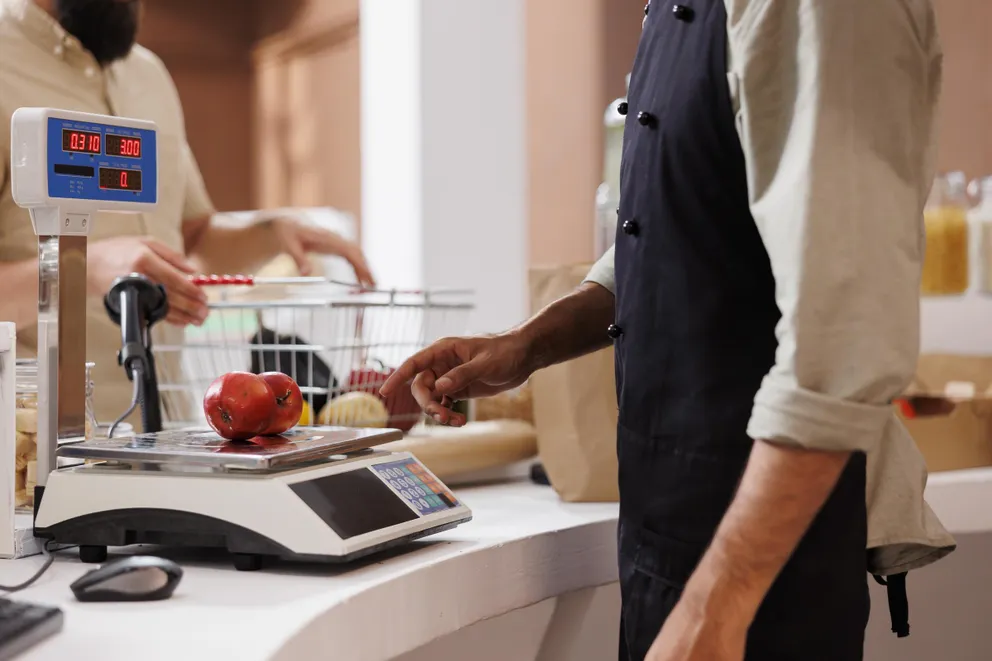
When I gave her the total, she blinked, like she wasn’t expecting the number. She didn’t say anything right away. She just reached slowly into her coat like it physically hurt to do it.
Then she whispered, “Oh… can you take off the apples? And the cereal. We’ll figure something out.” Her voice broke on that last word.
The kids didn’t fuss. Didn’t beg or pout. Just went quiet. That kind of silence kids only learn when they’ve seen their parents worry too much. The little girl looked down at her shoes like she already knew the answer was always “maybe next time.”
Something in me just… broke. There was no logic to it. Honestly, just a deep, immediate ache that told me to do something.
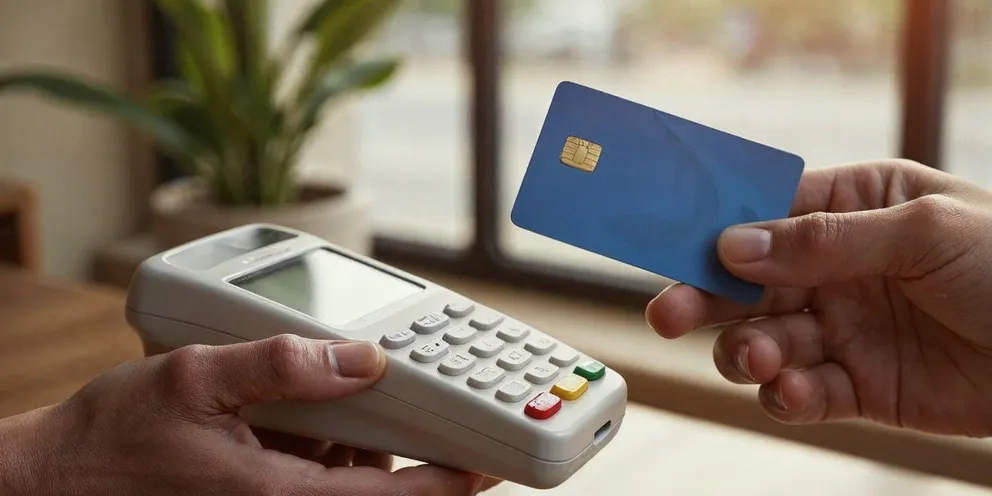
Before she could pull her card out again, I slid mine into the reader. My hands moved before my thoughts caught up, like kindness was muscle memory.
“It’s okay,” I said gently. “Just take them.” I tried to smile, but it came out soft and sad, like I knew this wasn’t just about apples.
She stared at me, like I’d handed her a winning lottery ticket. “I can’t repay you,” she whispered. There was shame in her eyes, but more than that, there was sheer exhaustion.