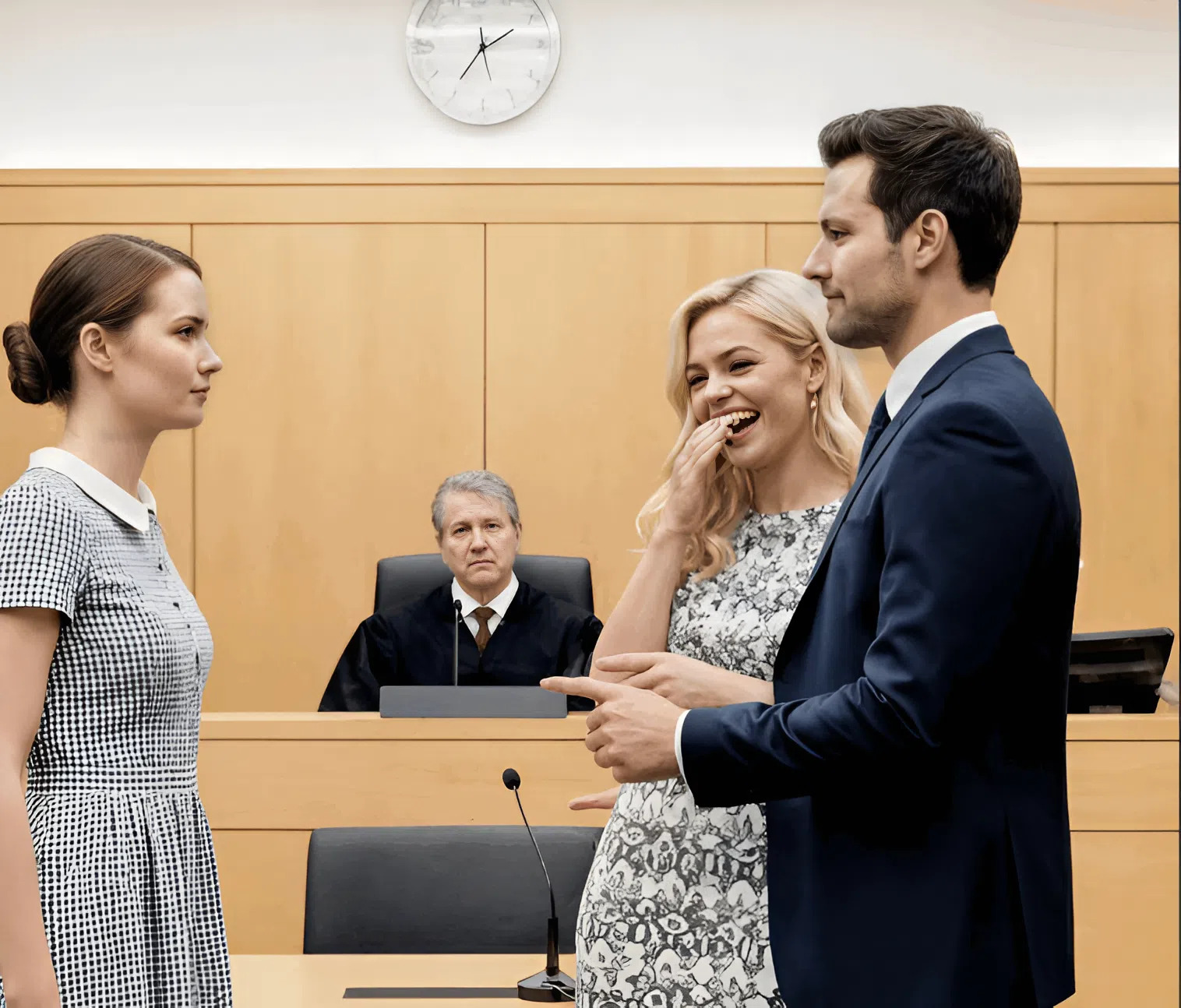
During our divorce hearing, my ex-husband mocked my second-hand dress — and a few minutes later, I walked away with an inheritance he could never match.
The courthouse smelled faintly of bleach — and broken dreams.
I stood there in my faded second-hand dress, clutching my late mother’s handbag like a shield.
Across the table, my ex-husband, Mark, signed the divorce papers with a smile sharp enough to cut glass. Next to him, his new fiancée—young, flawless, in designer silk—leaned towards him and whispered something that made him laugh.
She turned to me with feigned gentleness.
‘Didn’t you want to dress up for your “big day”, Emma?’
Mark didn’t even look up.
‘She never knew how to take care of her appearance,’ he said, tossing aside his pen. ‘I guess that’s why she’s in the past.’
The solicitor pushed the last page towards me. My hand trembled as I signed away twelve years of marriage in exchange for ten thousand pounds and a lifetime of ‘what ifs’.
When they left, their laughter lingered in the air — sticky, unbearable. I was left alone, watching the ink dry next to my name, feeling as if the whole world had just collapsed.
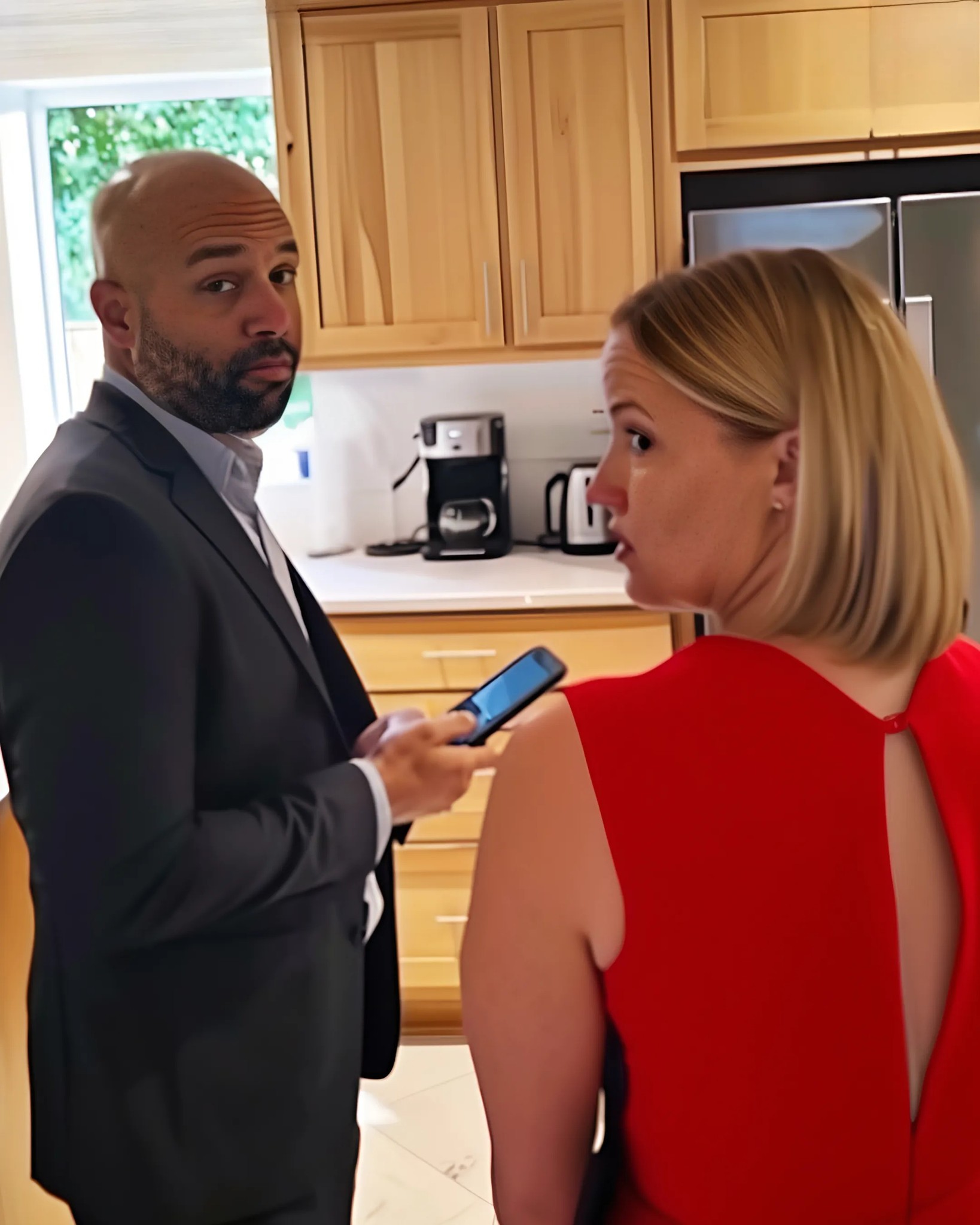
Then the phone rang.
An unknown number.
For a second, I wanted not to answer. But something — instinct, desperation, fate — made me press ‘accept.’
‘Mrs Emma Hayes?’ A calm, businesslike voice. ‘This is David Lin, from the law firm Lin & McCallister. Sorry for the sudden call, but I have news concerning your great-uncle, Charles Whitmore.’
My heart skipped a beat. Charles Whitmore? I hadn’t heard that name since I was a child. A family ghost — wealthy, distant, estranged from our parents long before their deaths.
‘I regret to inform you that he has passed away,’ David continued. ‘But he left you something. In fact, everything. You are his sole heir.’
I blinked.
‘There must be some mistake.’
‘There is no mistake,’ he replied softly. ‘Mr Whitmore bequeathed his entire fortune to you, including Whitmore Industries.’
I froze.
‘You mean Whitmore Industries, the energy company?’
‘That’s the one,’ he confirmed. ‘You now own a multi-billion-pound conglomerate. There is one condition, though…’
His voice turned into a hum in my ears. I turned to the courtroom window and saw my reflection — a crumpled dress, tired eyes, the shadow of a woman whom everyone had already written off.

Maybe my life wasn’t over.
Maybe it was just beginning.
Two days later, I was standing on the fiftieth floor, above downtown Chicago, in a glass conference room overlooking the lake. The horizon shimmered like a promise. It felt like I had replaced someone else’s story with my own.
David Lin, the solicitor, sat opposite me with a folder in front of him, thick enough to rewrite my future.
‘Before we continue,’ he said, ‘you must understand the terms of your uncle’s will.’
I tensed up.
‘According to Mr. Whitmore’s will, you are required to serve as interim CEO for one year,’ he explained. ‘You cannot sell or transfer any shares. If you can make it through twelve months without scandal or bankruptcy, the company will be yours.’
I smiled without joy.
‘I’m an art teacher, not a CEO.’
‘Your uncle knew that,’ David replied. ‘He believed that your perspective, untainted by greed, was what Whitmore Industries needed.’
‘Or he just wanted to see me fail,’ I whispered.
He smiled slightly.
‘He left you a letter.’
He held out the sheet of paper. My uncle’s handwriting was clear and neat.
Emma,
I built an empire, but I lost my soul.
You still have yours.
Lead with honour — something I never learned — and you will inherit not only my company, but also restore honour to our name.
My eyes stung. I folded the letter carefully.
‘Well… I’ll try.’
That evening, I sat in my tiny flat, surrounded by piles of documents, with my cat purring nearby. Fear gnawed at me, but beneath it lay another force — determination.
In the morning, I walked into Whitmore Industries as the new CEO.
The boardroom fell silent. Suits stirred, and a soft whisper passed through the air.
‘Good morning,’ I said. ‘Let’s begin.’
That’s how it all started — and on that same day, I met my first opponent.
Nathan Cole, the chief operating officer, was impeccable, confident, and dangerous behind his smile. He extended his hand, as if condescendingly.
‘Welcome, Miss Hayes. I hope you realise what you’re getting yourself into.’
‘I’ll figure it out,’ I replied.
He smirked.
‘I’ll make sure you do.’
Since then, he has challenged my every decision, undermined my authority, and leaked information to the press. The media dubbed me the ‘Accidental Heiress.’
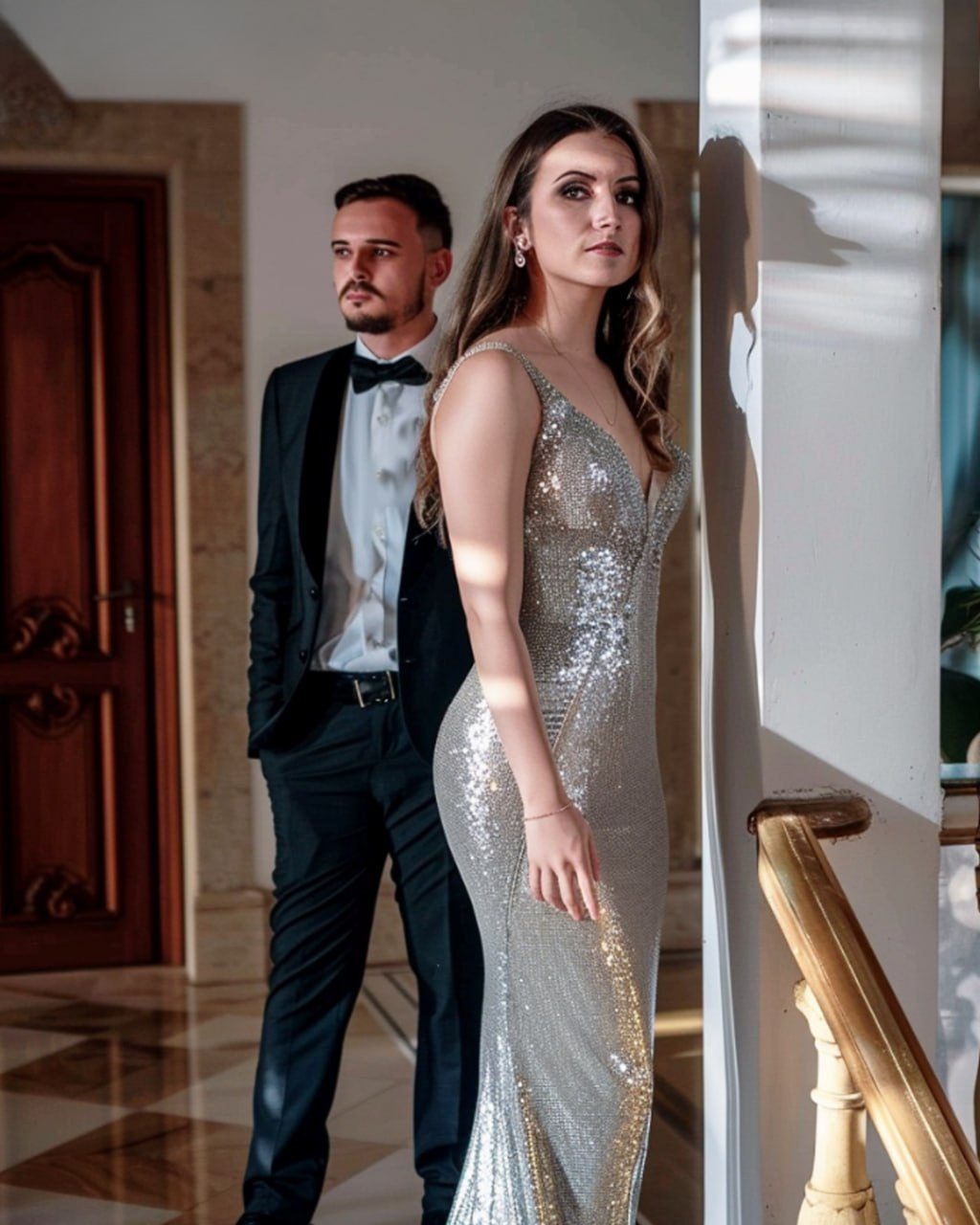
That’s when I started working even harder.
Sleepless nights flowed into dawns. I studied reports, statutes, energy contracts until my eyes blurred. I met with everyone, from engineers to cleaners, and listened to those whom no one else listened to.
Gradually, they began to believe in me.