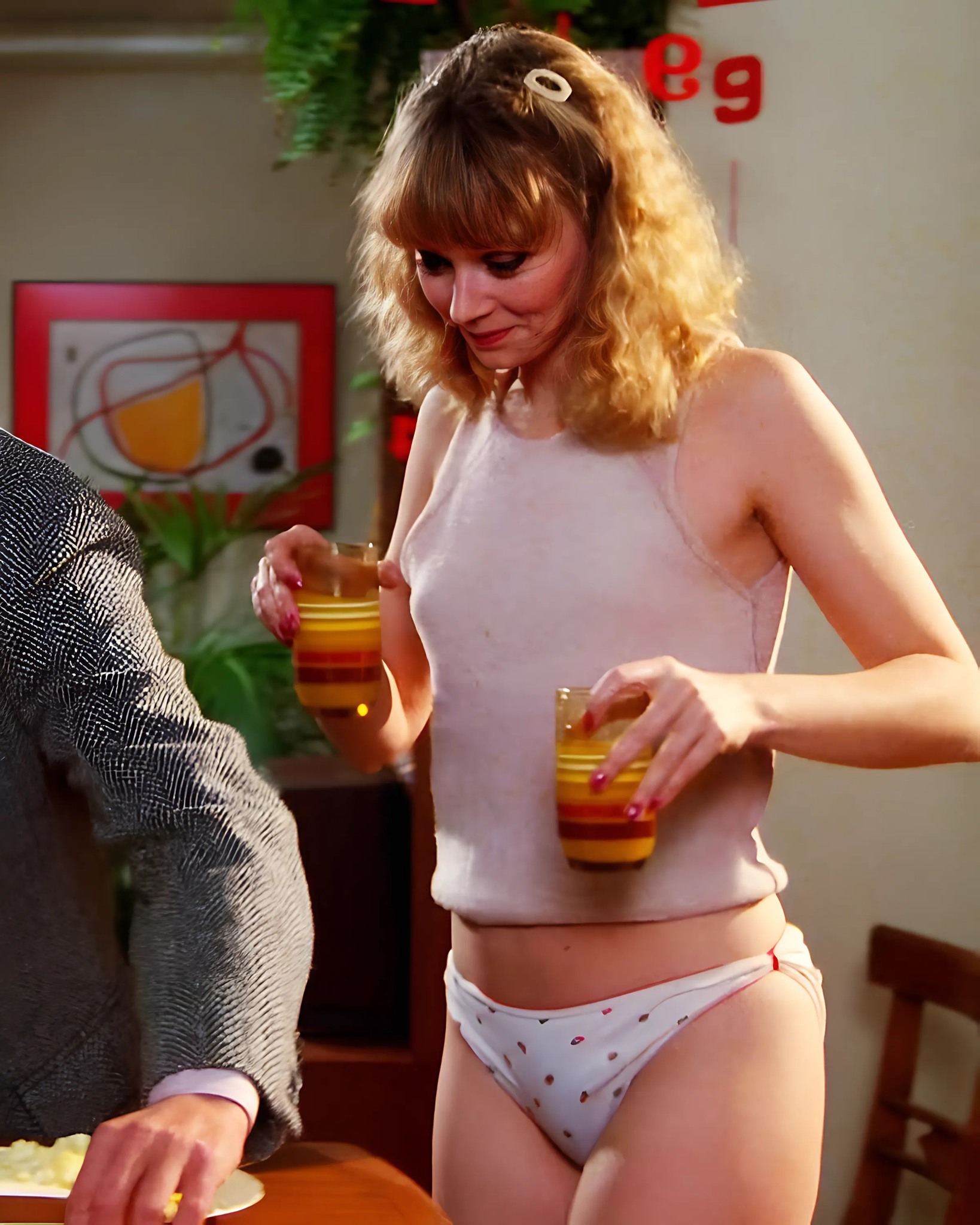
What happens when you combine Henry Winkler’s cool charisma with Michael Keaton’s wild, scene-stealing energy? You get pure comedy gold!
Night Shift (1982) wasn’t just Ron Howard’s directorial debut — it marked the beginning of a cult classic. Winkler and Keaton’s electric chemistry lights up the screen, Shelley Long brings her irresistible charm, and if you look closely, you can even spot a young Kevin Costner amid the chaos…
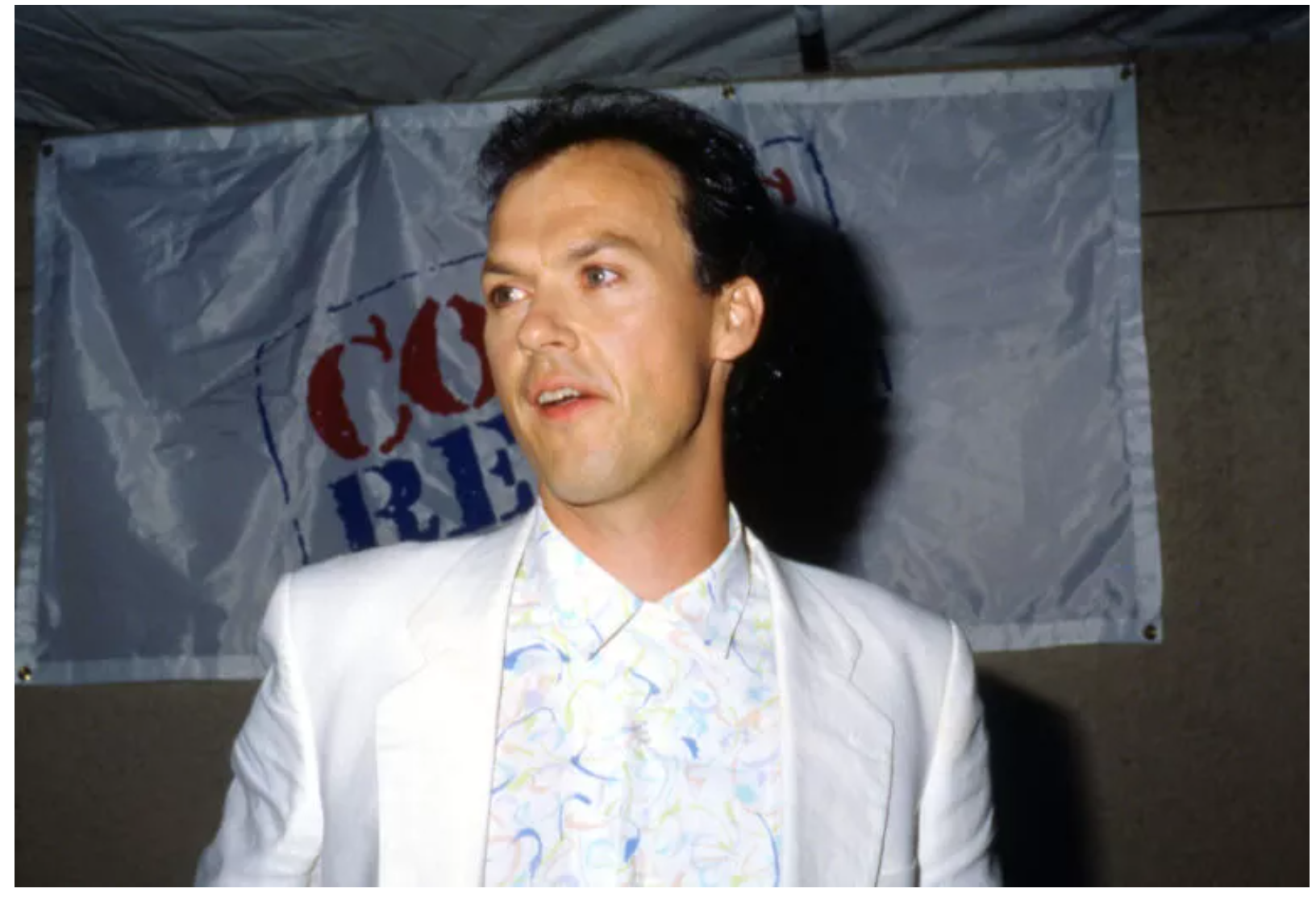
But the real surprise? Shelley Long’s unforgettable moment of ‘magic in the kitchen.’ Ready to dive into the secrets behind this cult film? Let’s get started!
From the morgue to chaos
Released in 1982, Night Shift is a classic quirky comedy that introduced audiences to the unforgettable charm of Michael Keaton and showcased the budding directing talent of Ron Howard.
Set in a New York morgue, the film tells the story of the unlikely partnership between Chuck Lamley (Henry Winkler), a soft-spoken night shift worker, and Bill Blazejowski (Michael Keaton), his eccentric and wildly ambitious new co-worker.
View this post on Instagram
When these two stumble upon an unconventional business opportunity — turning a morgue into a base for high-class escort services — they find themselves in hilarious and unexpected situations.
This film is distinguished not only by its witty humour, but also by the amazing chemistry between the three main characters. Each of their characters is incredibly likeable, which makes watching even more enjoyable.
Callback after callback
It is simply impossible to talk about Night Shift without mentioning Michael Keaton.
Few remember the wild and crazy young Michael Keaton, but Night Shift is the perfect snapshot of his 1980s — silly, funny, and undeniably charming. The comedy was Keaton’s breakthrough role and his first leading role, and at the time he was virtually unknown, having only appeared in a B-movie comedy and a CBS comedy series called Murphy’s Law.
‘I don’t know how many times I had to go back for auditions,’ he recalls. ‘It was just callback after callback after callback.’
In the end, Keaton managed to convince the writers and producers. With his quick manner of speaking, broad Irish face, thinning brown hair and piercing green eyes, Keaton was perfect for the role of Bill ‘Blaze’ Blazowski. His timing and energy were spot on, but another detail also helped:
‘I came along just at the time when the transition from television actors to film actors became possible,’ Keaton recalled of his rise to stardom.
To really get into character, Michael Keaton turned up the volume and played Bruce Springsteen, especially ‘10th Avenue Freeze-Out’ from the album Born to Run.
On opening day, he recalls, “I deliberately went to see the film alone. I wanted to sit right in the middle of the cinema in the afternoon, and it was wonderful. I don’t know any other word to tell you the truth.”
The man who helped Keaton steal the film
Ron Howard really hit the jackpot when he chose Keaton for Night Shift.
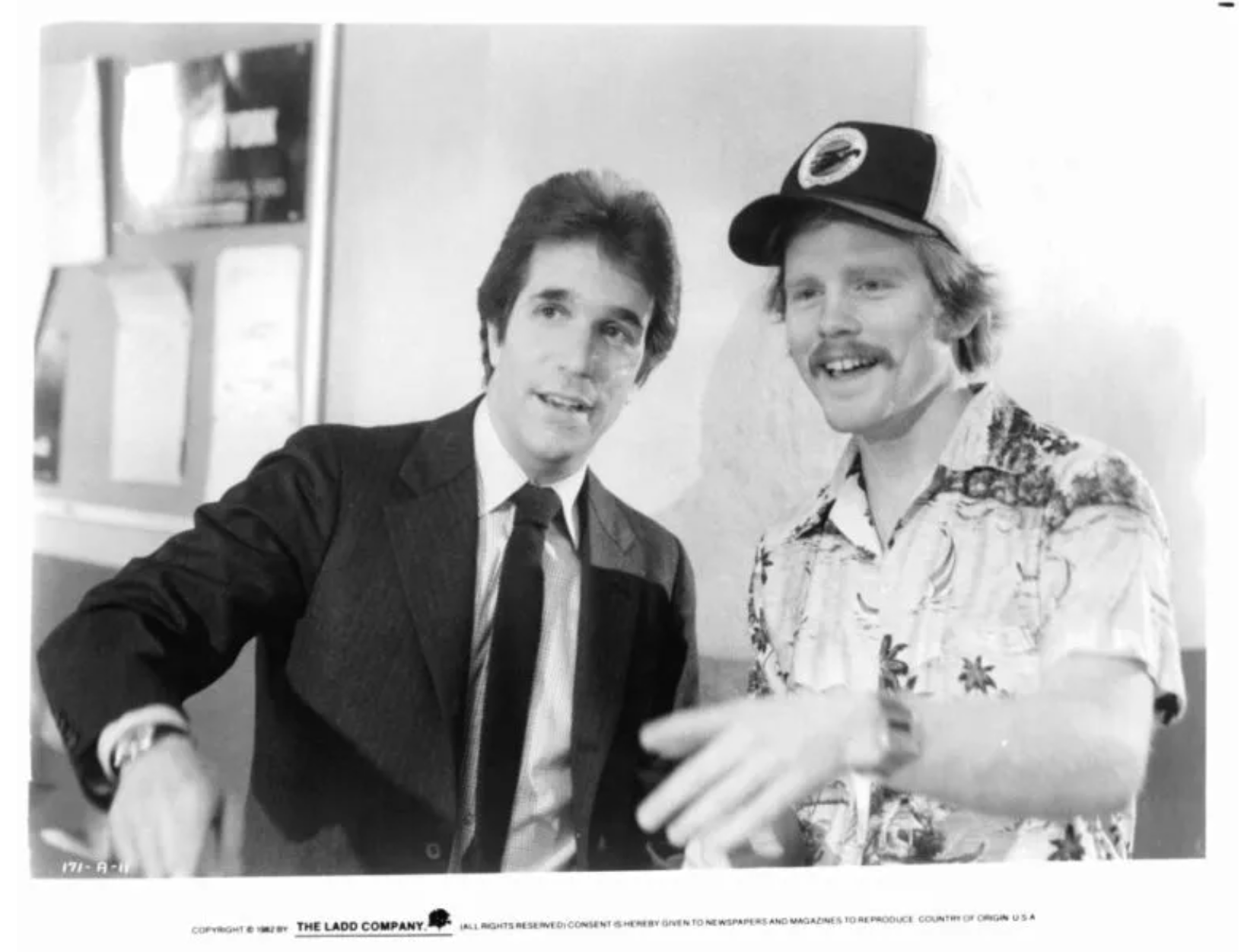
Scene after scene, Keaton outshone the more experienced Henry Winkler, who was already a television star known for his role as Fonzie. Critics raved about Keaton’s performance, and the door to Hollywood swung open for him. But Keaton’s success — and his entire film career — might never have happened if it weren’t for the subtle but invaluable support of Henry Winkler.
‘Henry was offered any role he wanted, and he chose a quieter one,’ Ron Howard said in an interview with the Boston Globe.
‘Then he helped Michael steal the scene. He gave Michael a lot of options. In some episodes, he would say to Michael, “I know (you’ll get the laughs) if you take this routine one step further.”’
Henry Winkler chose the role of the timid morgue director in Night Shift as a deliberate contrast to his iconic, cool character Fonzie. As he wrote on Twitter, ‘I decided to play Richie Cunningham for once.’
Henry Winkler didn’t like Keaton
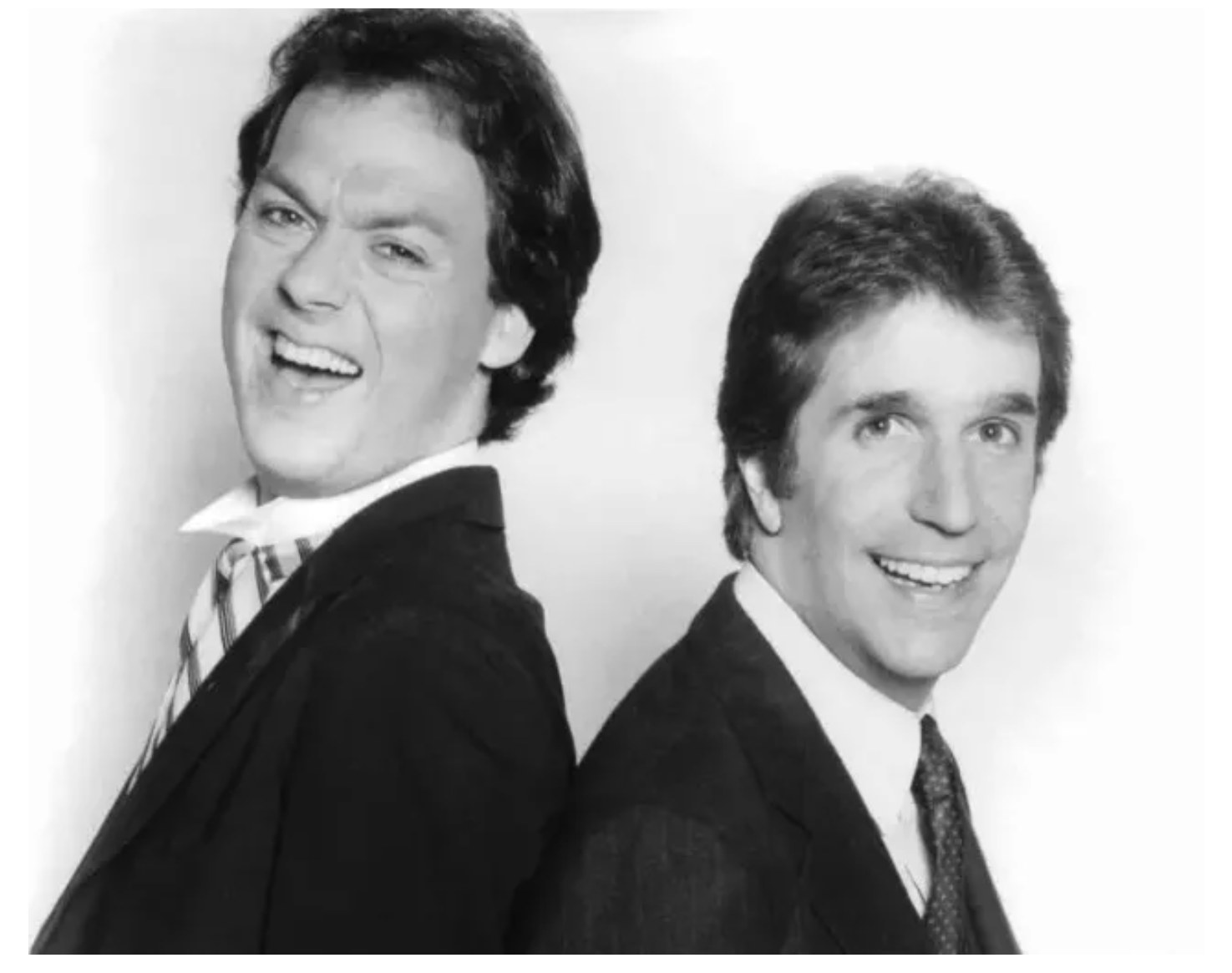
It’s surprising that Henry Winkler and Michael Keaton never reunited for another film after Night Shift, considering the undeniable chemistry between them. Their on-screen dynamic was hilarious, memorable, and perfectly balanced.
The reason for the lack of future collaborations may lie in how their relationship developed during the filming of The Night Shift. When Henry first read Michael, he wasn’t sure he wanted to work with him. As he later recalled, in Howard’s words: ‘The guy’s talented, but I don’t know if I’m comfortable working with him.’
Ron Howard assured him that this discomfort was a good thing, as it reflected the dynamic between their characters in the film — Chuck was definitely uncomfortable with Bill. Over time, their initial awkwardness faded, but that early tension gave their on-screen relationship an authentic, uneasy texture.