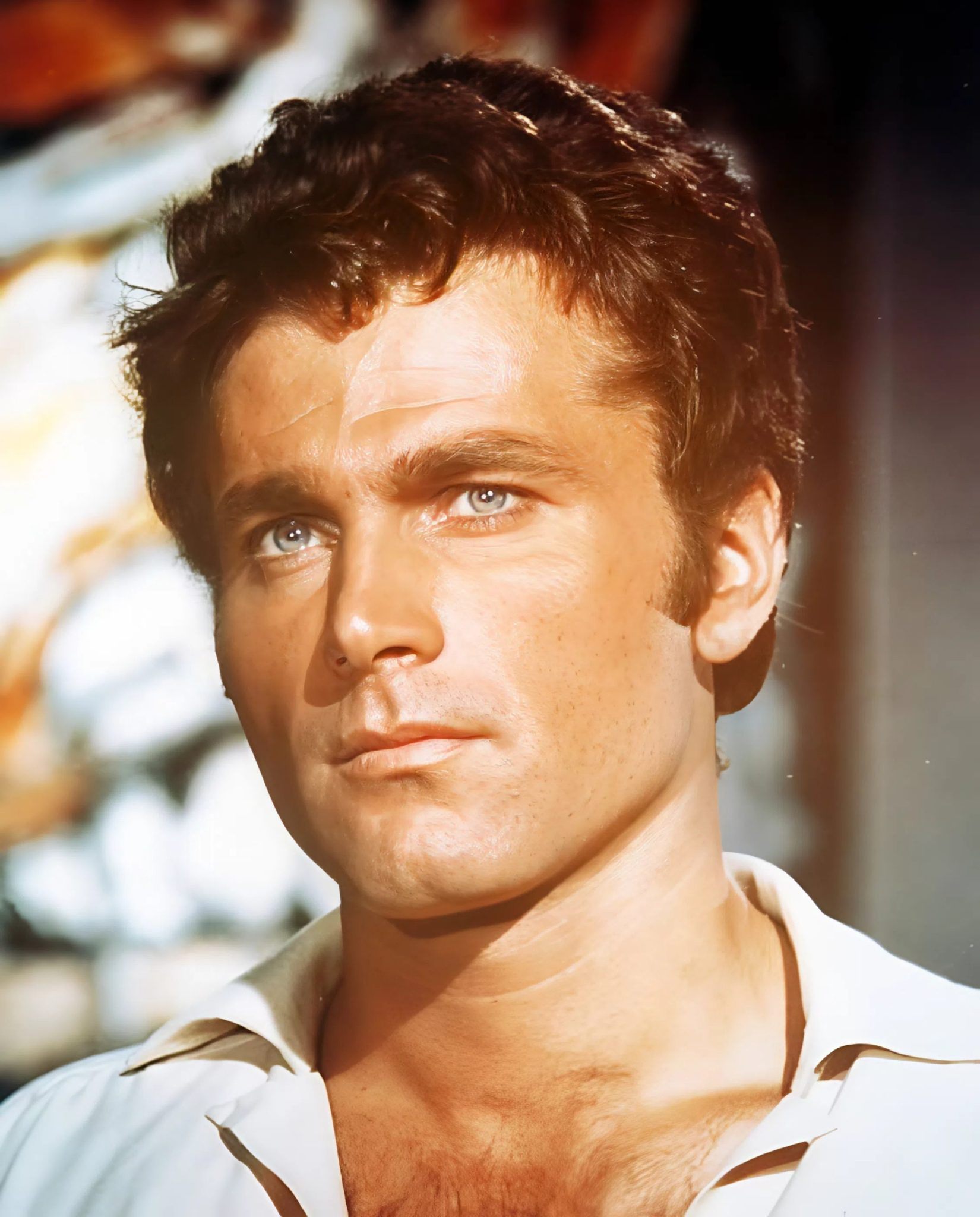
Born Francesco Clemente Giuseppe Sparanero on November 23, 1941, Franco Nero remains one of Italy’s most recognizable and long-lasting figures in cinema. His ascent aligned with a pivotal moment in European film, when genre storytelling—especially Westerns, crime dramas, and historical epics—became a major force for mass entertainment and cultural reinvention. With piercing blue eyes, precise physical control, and a stripped-down intensity, Nero stood out immediately in an era crowded with magnetic leading men.
His career-defining breakthrough came in 1966 with Django, a film that permanently reshaped both his trajectory and the Western genre itself. As the gunslinger dragging a coffin through a harsh, mud-choked world, Nero presented a different kind of hero: quiet, morally uncertain, and driven by trauma rather than swagger. The character’s stark imagery and emotional restraint traveled far beyond Italy, turning Django into an international phenomenon and inspiring decades of unofficial sequels, adaptations, and tributes. Few film characters have achieved such lasting symbolic force while speaking so little.
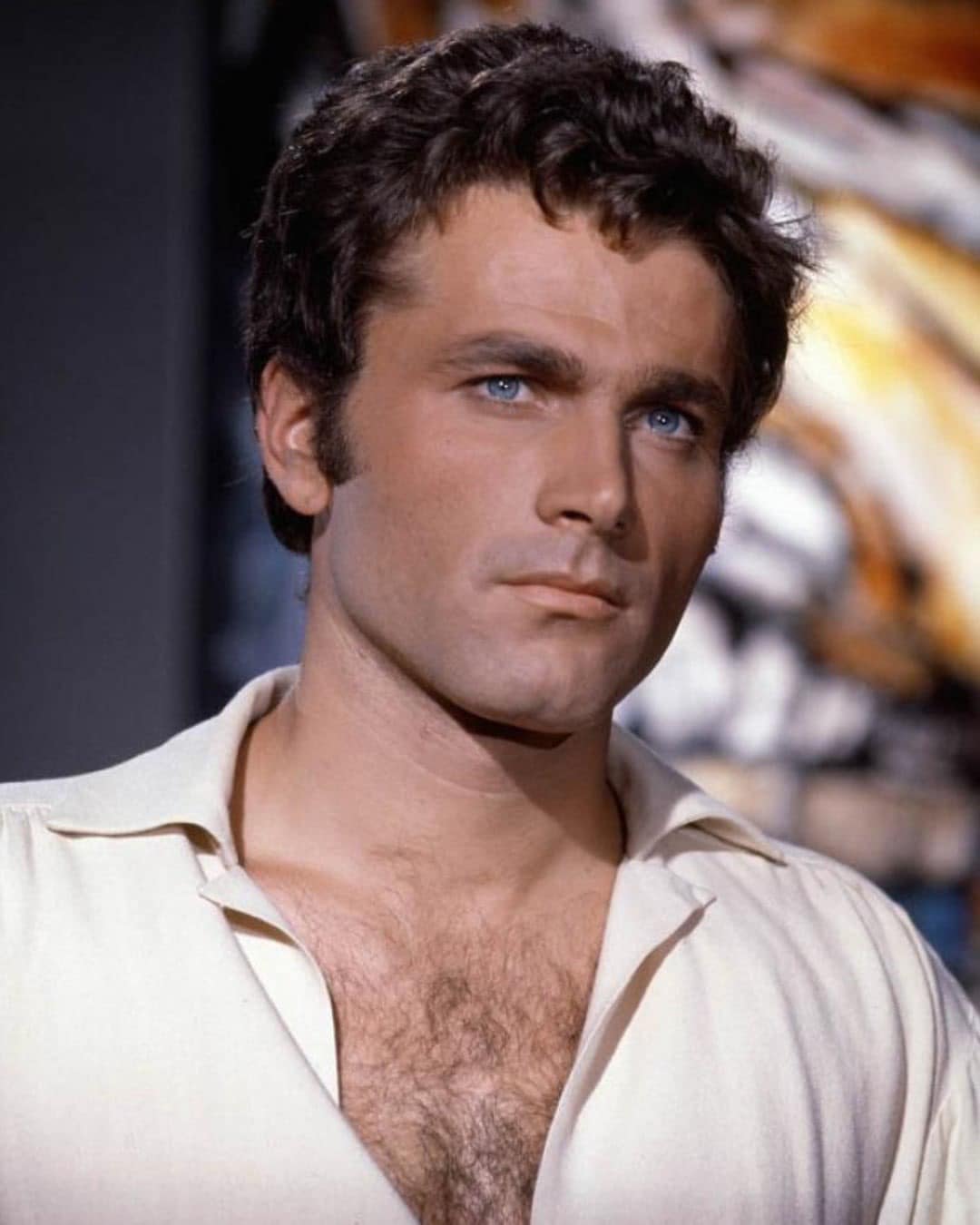
Instead of being boxed in by that success, Nero treated it as a platform for exceptional range. Across more than 200 film and television productions, he moved seamlessly between European cinema and Hollywood. He took on political thrillers, historical spectacles, action movies, romantic dramas, and art-house work, frequently adding weight and seriousness to roles that could have felt disposable in lesser hands. His collaborations crossed borders, languages, and cinematic traditions, making him a genuinely international actor well before global casting became standard practice.
What sets Franco Nero apart is not only his longevity, but the steadiness of his work. As cinematic tastes changed—from the fading of Spaghetti Westerns to the rise of blockbuster franchises—he remained a working actor, valued for professionalism and depth rather than the volatility of celebrity. Filmmakers returned to him for authority, menace, vulnerability, or quiet moral gravity, confident he could hold a film together through presence alone.
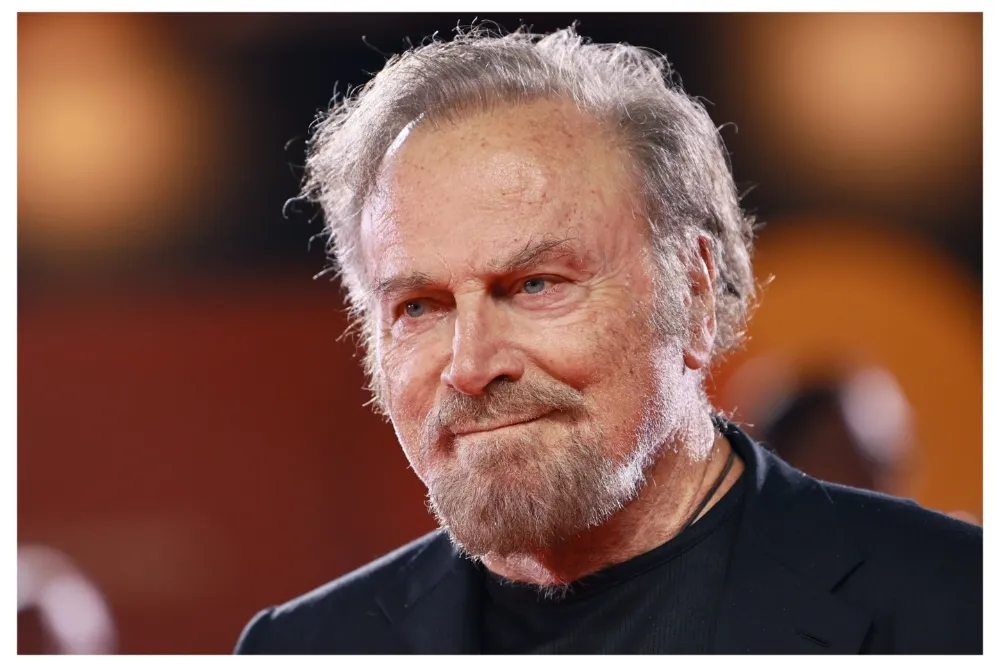
In later years, the shape of Nero’s legacy has become even more apparent. Younger directors still look to Django as a blueprint for revisionist storytelling, while audiences continue to rediscover his wider filmography as a link between classic European cinema and modern experiments in genre. He is not remembered as a brief star of a single era, but as a defining figure who helped shape a moment in film history—and endured beyond it.
Franco Nero’s career stands as proof of the value of restraint, adaptability, and craft. In an art form often fixated on constant reinvention, he achieved something rarer: longevity without losing substance. His place in film history rests not only on iconic roles, but on a lifetime of disciplined, consistent contributions to cinema across cultures and generations.
