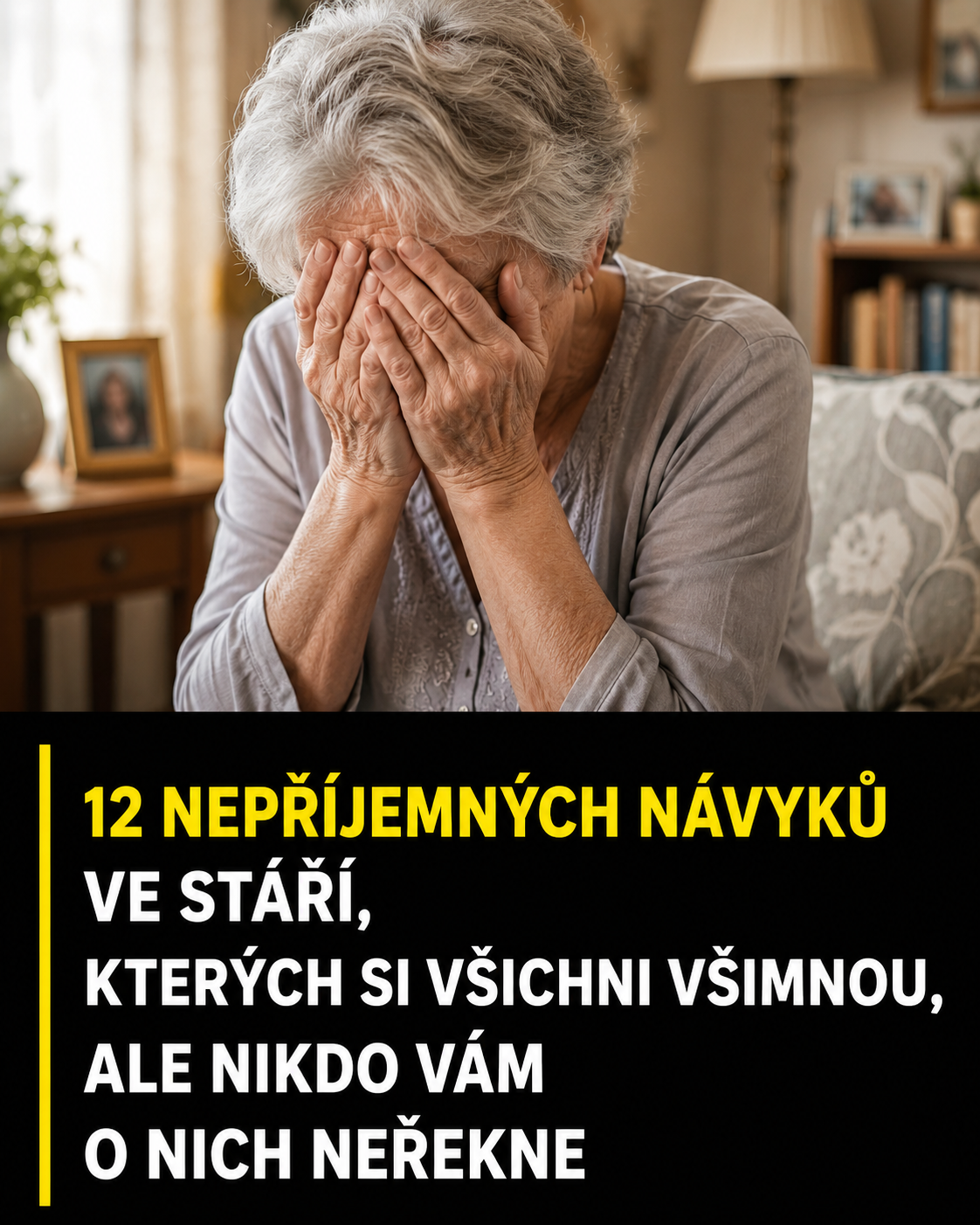
Ageing is a natural and inevitable part of life. With age come experience, wisdom and a broader understanding of the world. At the same time, however, certain habits and attitudes can, without us realising it, cause discomfort to those around us. The most striking thing is that such behaviour is rarely addressed directly — not because it goes unnoticed, but because people remain silent out of respect, affection or fear of causing offence.
Noticing such patterns of behaviour does not mean criticising old age. The aim is to improve relationships, maintain closeness with people, and live this stage of life more consciously, with dignity and peace of mind.
Constant complaining
Complaints about one’s health, the weather, money, the younger generation, or the fact that ‘things used to be better’ gradually wear listeners down. Of course, it’s only human to express dissatisfaction, but if you do so constantly, you may unwittingly come across as bitter and end up alienating people.
Rejecting everything new
A dismissive attitude towards technology, social change or new ideas often comes across as stubbornness and a reluctance to change. Phrases like ‘we didn’t have that in the old days’ or ‘things were better in our day’ can immediately cut the conversation short and kill any interest in dialogue.
Interrupting others
Interrupting others to insert your own experience or opinion may seem like a desire to help, but in reality, people often feel that they are not being listened to. Even well-meaning interruptions can undermine communication and mutual respect.
Unsolicited advice
Advice on parenting, relationships, finances or life decisions, given without being asked, can be perceived as meddling. Extensive life experience does not mean that any recommendations will be welcome — the timing and the other person’s consent are crucial.
Living too much in the past
Memories can be valuable and interesting, but constantly comparing the present with the ‘good old days’ makes conversations tedious. If all attention is focused solely on the past, the present moments begin to seem insignificant or unimportant.
Constant negativity
The habit of always expecting the worst, highlighting problems or downplaying positive events creates a heavy emotional atmosphere. Over time, people may start to distance themselves to protect their own energy and mood.
Lack of genuine attention
A distracted gaze, automatic nods or quickly changing the subject signal a lack of interest. Even without words, such behaviour can seem dismissive and discourage people from sharing further.
Criticism of the younger generation
Generalisations that young people are lazy, irresponsible or superficial create unnecessary division. Every generation faces its own challenges, and judgement without an attempt to understand only increases the emotional distance.
Neglecting personal grooming
Neglecting personal hygiene, health or basic grooming is often excused with the words ‘it’s normal at this age’, but this affects how others perceive a person’s vitality and self-respect. Taking care of oneself is not vanity, but a sign of respect for both oneself and others.
Using age as an excuse for bad behaviour
Rudeness, irritability or sharp retorts do not become acceptable simply because a person has grown older. Kindness, patience and politeness are qualities that have no expiry date.
Repeating the same stories over and over
An elderly, dejected woman covered her face with both hands
Telling the same stories over and over again, without realising that they have already been heard many times, can gradually diminish the listeners’ interest. There is usually no malicious intent behind this, but constant repetition weakens attention and the lively connection in a conversation.
Refusal to learn something new
The phrase ‘I’m too old for that’ closes doors and reinforces limiting beliefs. Curiosity and openness help keep the mind active and maintain a connection with the modern world.
AWARENESS, NOT BLAME
Noticing such habits does not mean blaming yourself or feeling ashamed. It is an opportunity for growth. Old age does not have to mean rigidity, loneliness or constant discontent. Small changes in one’s attitude to life can transform this period into a stage filled with empathy, flexibility and genuine presence — for the benefit of both the person themselves and those around them.